
Heating solutions built for Guernsey County's hardwood country.
Wood, gas, pellet, and electric fireplace resources for every community in Guernsey County—from Cambridge to Byesville to the lake communities around Seneca Lake. Find the right unit and connect with a trusted local hearth retailer.
Every Project Starts From One of These Five Situations
Rolling hills and hardwood heat in eastern Ohio.
Guernsey County sits in the hill country of eastern Ohio, part of the Appalachian foothills that stretch toward the Ohio River. Winters here are a real season—average lows around 21°F, roughly 5,324 heating degree days, and a climate zone (5A) similar to Fargo, ND in terms of design heating load. The county's oak, hickory, maple, and cherry woodlots have supplied firewood to local homes for generations, and that hardwood mix burns long and hot compared to softer western species, which is part of why wood heat has stayed practical here even as gas service has expanded.
What you'll find on this hub: hearth retailers, service technicians, and fuel suppliers serving every community in the county—from Cambridge and Byesville in the core, out to Old Washington, Senecaville, and the Seneca Lake shoreline communities. Pick your fuel below to drill into specifics—local dealers, installation costs, recommended units, and the resources that match your project. Whether you're heating a farmhouse outside Fairview or a lake cabin near Senecaville, this is the starting point.
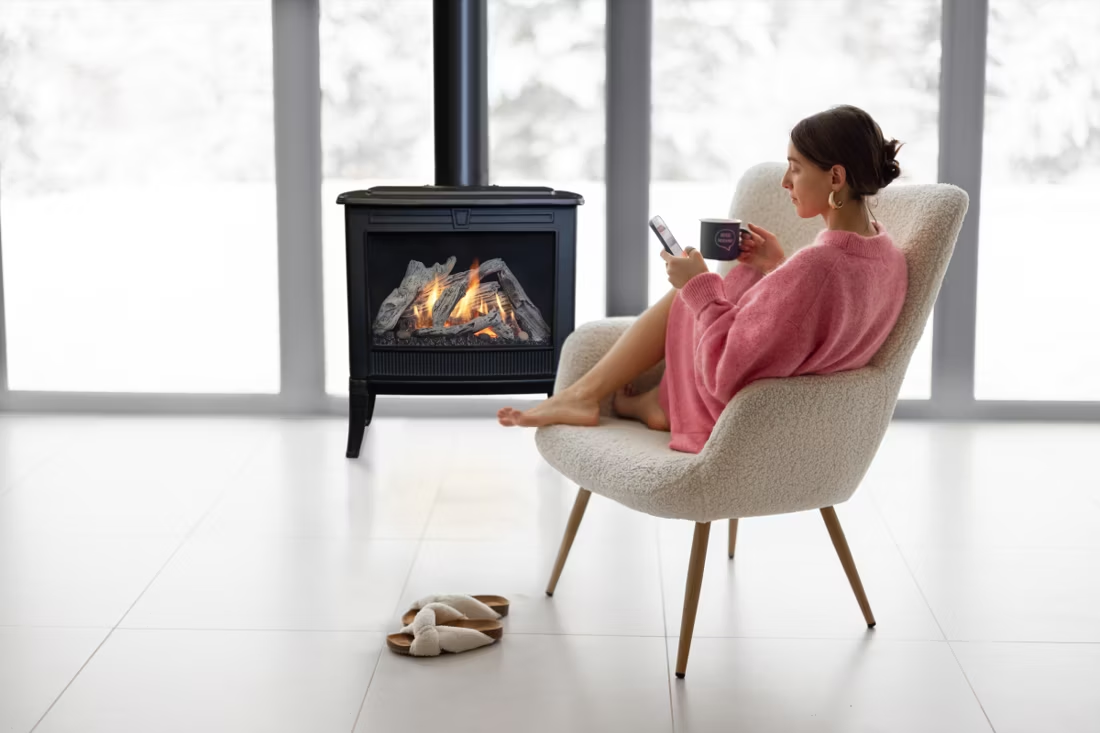
Four fuels. One honest answer for Guernsey County.
Three steps. No salesperson until you're ready.
Tell us about your project
Your zip code, your situation, and the fuel you're leaning toward—or let the answers point you to one.
See what's actually available
The brands dealers within 100 miles genuinely carry—real options, never a catalog mirage.
Get your dealer & Project Guide
A trusted local dealer, plus the free Project Guide & Parts List that names every component of the job.
Frequently Asked Questions
Which fuel works best in Guernsey County?
It depends on your home and priorities, but all four fuels are genuinely viable here. Wood remains a strong choice given the county's oak, hickory, maple, and cherry woodlots—many rural homeowners cut their own or buy from local sellers, and a good stove holds heat well through the roughly 5,300-degree-day heating season. Gas is the convenience pick for homes with natural gas service in and around Cambridge and Byesville—no wood handling, consistent output, works with a thermostat. Pellet is a middle-ground option—regional supply from brands like Indeck Energy Services and Lignetics keeps pellets reasonably available, and pellet stoves offer wood-like ambiance with far less daily labor. Electric works well as a supplemental heat source in bedrooms, sunrooms, or rentals, but with winter lows averaging around 21°F, it's rarely the primary heat source in older farmhouses or larger homes. Many county households actually run two fuels—wood or pellet as primary, gas or electric backing it up.
Do I need a permit to install a fireplace in Guernsey County?
In most cases, yes. New wood stoves, wood inserts, gas fireplaces, gas inserts, gas stoves, and pellet stoves typically require a building permit, and gas work also requires a separate gas line permit performed by a licensed installer. Wood-burning appliances installed today need to meet current EPA emissions standards—this matters if you're replacing an older stove inherited with a farmhouse. Electric fireplace inserts generally don't need a permit for plug-in units, though built-in electric fireplaces requiring new wiring or a dedicated circuit do. Permit requirements and jurisdiction vary between the city of Cambridge and unincorporated Guernsey County, so it's worth confirming with your local building department before work starts. Most established hearth retailers in the area handle permitting as part of the installation, which saves homeowners a step.
Are there air quality restrictions on wood burning in Guernsey County?
No, Guernsey County doesn't have the kind of geographic setup—like a basin or valley prone to winter inversions—that triggers formal air quality advisories or burn curtailment days elsewhere. That said, EPA 2020 NSPS emissions standards still apply to new wood stove installations regardless of local air quality conditions, so any new unit you buy will be a certified, cleaner-burning model than stoves from decades past. If you're burning well-seasoned hardwood—oak, hickory, maple, or cherry, all common in this area—you'll also get a cleaner, more efficient burn than with green or softer wood, which matters for chimney buildup as much as air quality.
Can one local hearth retailer handle all four fuel types?
Many hearth retailers serving Guernsey County carry three or four fuel types, which makes cross-shopping easier if you're not sure which fuel fits your home. Dealers based in or near Cambridge typically stock wood stoves and inserts, gas fireplaces and inserts, and pellet stoves, with electric units carried as a smaller supplemental category. Smaller shops may specialize more narrowly—some focus heavily on wood given the county's rural, self-cut-firewood culture, while others lean toward gas for in-town customers with natural gas service. If you want to compare fuels side by side, ask a retailer directly what's on their showroom floor before making the trip, since inventory varies dealer to dealer.
How does service work in rural areas of Guernsey County?
Most chimney sweeps, gas technicians, and pellet stove service techs serving Guernsey County are based around Cambridge and travel out to surrounding townships, including the Senecaville and Old Washington areas. Rural service calls sometimes carry a modest travel fee depending on distance, and scheduling is easier in late summer and early fall before the heating season ramps up—waiting until a cold spell hits in December often means a longer wait for an appointment. If you're heating a rural property with a hardwood woodlot, annual chimney sweeping is particularly important given how much creosote buildup a full winter of wood burning with oak or hickory can produce.
What's the typical cost range for fireplace installation across all fuel types in Guernsey County?
Costs vary by fuel and by how much existing infrastructure is in place. Wood stove or insert installation typically runs $4,000–$8,500 for a standard install, more if a new chimney or liner is needed. Gas fireplace, insert, or stove installation runs roughly $4,000–$10,000, with cost depending heavily on whether gas line extension work is required or existing service is already in place. Pellet stove or insert installation generally falls in the $4,000–$7,000 range. Electric fireplace costs are the most variable by scope—$200–$2,500 for the unit itself, with labor from a simple plug-in ($0) up to $800–$1,200 for a built-in unit requiring new wiring. For more detailed, retailer-specific pricing, see the county + fuel pages above.
What are the biggest mistakes people make buying a fireplace?
Five come up constantly: budgeting for the unit but not the full job (vent, gas line, electrical, finish work); drowning in options instead of starting from style and fuel; buying without an in-home preview; handing installation to a handyman instead of a pro; and giving up out of sheer indecision. Every one is avoidable with a clear plan—step one, step two, step three.
Can a fireplace actually lower my heating bill?
Yes—by creating a comfort zone. A furnace heats every square foot of the house just to warm the one room you're in; a gas fireplace on low burns roughly a sixth of the gas a typical furnace does. Set the furnace around 55–60 degrees as a baseline, then heat the rooms your family actually uses. Families who heat this way commonly save $20–$60 a month.
What is an in-home preview and do I need one?
It's a visit where a hearth professional measures your space, confirms the model you picked actually works in your home, and walks the specs—framing, gas line, venting, finish work—before anything is ordered. Some details you just can't know until you see the house. Never make a down payment without one; it's the single most-skipped step that burns buyers.
I know I want a fireplace—where do I actually start?
Do two things today: snap a photo of the wall or fireplace you want to transform, and take a tape measure to the space—width, height, depth. Those two artifacts answer most of a hearth professional's first questions. Then settle fuel (wood, gas, pellet, or electric) and set a realistic budget: $3,900–$5,500 covers fireplace, vent, and basic install for most homes.
Stove and Fireplace Dealers in Guernsey County
Listings include WhyFire partner dealers, dealers we have verified as authorized for the brands we recommend, and established local businesses that carry hearth products. Every listing shows which one it is. The ones marked Preferred run on WhyFire's software, so they can show you real pricing and book your appointment right here. No manufacturer pays for placement. How we verify dealers →
Cp Landscape And Outdoor Supply
The Frontier Power Company
Find your fireplace in Guernsey County.
Pick your fuel below, and we'll match you with a trusted local dealer and put together a free Project Guide & Parts List—the exact parts, vent kit included, and the right pro for your home.
Find Your Fireplace →