
Find the right heat source for high desert winters in Rio Arriba County.
Wood, gas, pellet, and electric fireplace resources for every city and rural village in Rio Arriba County—from Española to Chama. Find the right unit and connect with a trusted local hearth retailer.
Every Project Starts From One of These Five Situations
Piñon smoke and high-elevation winters across Rio Arriba County, New Mexico.
Rio Arriba County stretches from the Rio Grande valley near Española up into the Sangre de Cristo and San Juan mountains around Chama, with elevations ranging from roughly 5,600 feet to over 10,000 feet. That elevation spread means winter looks very different depending on where you live—Española gets cold but manageable nights, while Chama, tucked near the Colorado border, sees some of the coldest, snowiest conditions in New Mexico, more in line with mountain towns like Bozeman, Montana than with the rest of the state. Piñon and juniper have heated homes here for generations, harvested through Santa Fe National Forest, Carson National Forest, and Cibola National Forest permits, and that tradition still shapes how most households choose a primary heat source.
What you'll find on this hub: hearth retailers, service technicians, and fuel suppliers serving every community in the county—Española and Chama down through Tierra Amarilla, Abiquiu, Dulce-area communities, and the smaller villages along Highway 84 and 285. Pick your fuel below to drill into specifics—local dealers, installation costs, recommended units, and resources matched to your project. Whether you're heating an adobe home in the valley or a cabin near Chama, this is the starting point.
Four fuels. One honest answer for Rio Arriba County.
Three steps. No salesperson until you're ready.
Tell us about your project
Your zip code, your situation, and the fuel you're leaning toward—or let the answers point you to one.
See what's actually available
The brands dealers within 100 miles genuinely carry—real options, never a catalog mirage.
Get your dealer & Project Guide
A trusted local dealer, plus the free Project Guide & Parts List that names every component of the job.
Frequently Asked Questions
Which fireplace fuel works best in Rio Arriba County?
It depends heavily on where in the county you live. Wood remains the traditional and practical choice, especially at elevation around Chama and Tierra Amarilla—piñon and juniper are locally abundant, harvested under Santa Fe, Carson, and Cibola National Forest permits, and a well-loaded catalytic or non-catalytic stove can carry a home through a 16-degree average winter low without relying on the grid. Gas is popular in Española and other valley towns where propane delivery is reliable and homeowners want instant, thermostat-controlled heat without tending a fire. Pellet stoves are a solid middle ground—less labor than splitting and stacking wood, and brands like Forest Energy and Lignetics are generally available through regional suppliers. Electric fireplaces work well as supplemental heat in bedrooms or casitas but aren't typically relied on as a primary heat source once temperatures drop into single digits at higher elevations. Many households here run wood or pellet as primary heat with gas or electric backup in secondary rooms.
Do I need a permit to install a wood stove or gas fireplace in Rio Arriba County?
In most cases, yes. New wood stove, insert, gas fireplace, and pellet stove installations typically require a building permit, and gas installations need a separate gas line permit completed by a licensed gas-fitter. Within incorporated areas like Española, permits are handled through the city; in unincorporated parts of the county—which is most of Rio Arriba's land area, including areas around Chama and Abiquiu—permits route through the county building department. Electric fireplaces are usually permit-exempt unless the installation involves new wiring or a hardwired built-in unit. Most local retailers handle the permit paperwork as part of a full installation, so you're rarely filing it yourself.
Are there wildfire smoke concerns that affect wood burning here?
Yes, indirectly. Rio Arriba County sits within a landscape shaped by wildfire risk, and while there typically aren't winter wood-burning curtailment programs like those in some western basin counties, wildfire smoke during fire season can affect regional air quality and, in bad years, prompt Forest Service closures on cutting permits in Santa Fe National Forest, Carson National Forest, or Cibola National Forest. That can tighten local firewood supply heading into winter. It's worth securing a season's worth of seasoned piñon or juniper early, before summer fire restrictions or fall demand drive prices up, rather than waiting until the first cold snap.
Can one local retailer handle all four fuel types?
It varies. Larger hearth retailers based in or near Española tend to carry wood, gas, and pellet appliances, with electric units available as a smaller category alongside them. Smaller shops and feed-and-hardware stores closer to Chama or Tierra Amarilla may focus mainly on wood stoves and pellet fuel, given how central wood heat is at higher elevation. If you want to compare fuel types side by side, a multi-fuel dealer in Española is generally your best bet for seeing working displays; if you already know wood or pellet is right for your elevation and setup, a smaller local shop closer to home may be more convenient for parts and service.
How does service work for homes out toward Chama or Abiquiu?
Most chimney sweeps and hearth technicians are based around Española and travel out to more remote parts of the county, including Chama, Abiquiu, and the villages along Highway 84. Expect a modest travel fee for calls beyond a roughly 30-mile radius, and expect scheduling to tighten up fast once cold weather sets in—booking your annual chimney sweep or gas inspection in late summer or early fall, before the first hard freeze, gives you a much better shot at a convenient appointment than calling in December.
What does fireplace installation typically cost across fuel types in Rio Arriba County?
Costs vary by fuel and by how much existing infrastructure—chimney, gas line, electrical—is already in place. Wood stove or insert installs typically run $4,000–$8,500, more if a full masonry chimney or liner is needed for an older adobe home. Gas fireplace, insert, or stove installs generally run $4,000–$10,000, with propane tank setup and gas line work adding to the higher end for homes without existing service. Pellet stove installs typically run $4,000–$7,000. Electric fireplaces are the least expensive option, from $200–$2,800 for the unit plus $300–$1,000 in labor for anything beyond a plug-and-play install. For fuel-specific pricing detail tied to local retailers, see the county + fuel pages above.
Can a fireplace actually lower my heating bill?
Yes—by creating a comfort zone. A furnace heats every square foot of the house just to warm the one room you're in; a gas fireplace on low burns roughly a sixth of the gas a typical furnace does. Set the furnace around 55–60 degrees as a baseline, then heat the rooms your family actually uses. Families who heat this way commonly save $20–$60 a month.
Wood, gas, pellet, or electric—how do I choose?
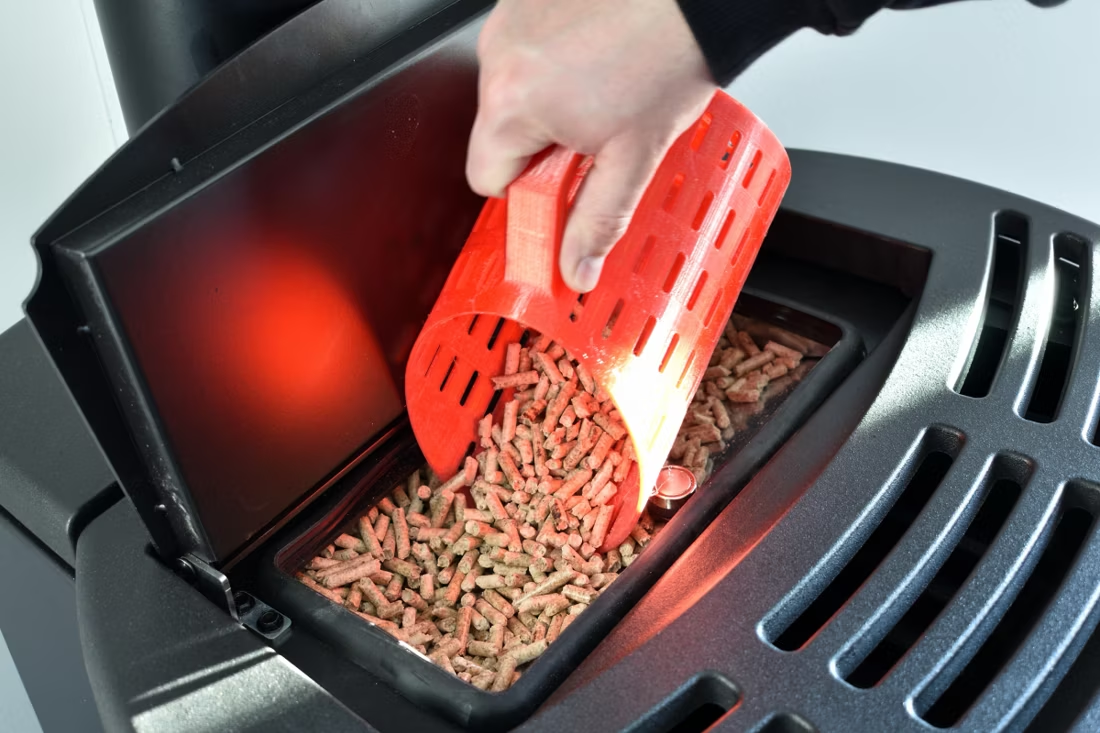
Match the fuel to your life, not the other way around. Wood: lowest fuel cost and total power-outage independence, but you're hauling and stacking. Gas: press a button, set a thermostat, no maintenance to speak of. Pellet: wood economics with automatic feeding, in exchange for weekly cleaning and a need for electricity. Electric: plugs in anywhere with honest supplemental heat. Nobody regrets the fuel that fits how they actually live.
Does a fireplace add value to my home?
On average, a fireplace adds back to the home about the same amount you spent installing it. Add the monthly savings from heating the rooms you actually use instead of the whole house—often hundreds of dollars a year—and the value case is strong before you even count what a fire does for how your family uses the room.
What is an in-home preview and do I need one?
It's a visit where a hearth professional measures your space, confirms the model you picked actually works in your home, and walks the specs—framing, gas line, venting, finish work—before anything is ordered. Some details you just can't know until you see the house. Never make a down payment without one; it's the single most-skipped step that burns buyers.
Stove and Fireplace Dealers in Rio Arriba County
Listings include WhyFire partner dealers, dealers we have verified as authorized for the brands we recommend, and established local businesses that carry hearth products. Every listing shows which one it is. The ones marked Preferred run on WhyFire's software, so they can show you real pricing and book your appointment right here. No manufacturer pays for placement. How we verify dealers →
High Desert Hearth Products
Tierra Wood Stoves
Tierra Woodstoves
Rocky Mountain Chimney Sweep
Dan's Flooring
Find your fireplace in Rio Arriba County.
Pick your fuel below to see installation costs, recommended units, and get matched with a trusted local hearth retailer who can put together your free Project Guide & Parts List.
Find Your Fireplace →