
Find the right fireplace for high desert winters in McKinley County.
Wood, gas, pellet, and electric fireplace resources for every community in McKinley County—from Gallup out to Zuni, Ramah, Crownpoint, and the Navajo Nation chapters. Find the right unit for your home and connect with a trusted local hearth retailer.
Every Project Starts From One of These Five Situations
High desert heat in McKinley County, New Mexico.
McKinley County sits on the Colorado Plateau in northwestern New Mexico, with Gallup at roughly 6,470 feet and the Zuni Mountains rising past 9,000 feet along the county's southern edge. Winters average a 16°F low and rack up nearly 5,900 heating degree days—not quite Bismarck, North Dakota territory, but firmly in wood-heat country, with a heating season that typically runs October through April. Pinyon and juniper are the traditional local firewoods, burning hot and aromatic and easy to source from the surrounding pinyon-juniper woodlands; ponderosa pine comes down off the higher elevations near the Zuni Mountains. A large share of the county's roughly 52,500 residents live on Navajo Nation or Zuni Pueblo land, where wood heat has been a working necessity for generations, not a lifestyle choice.
What you'll find on this hub: hearth retailers, service technicians, and fuel suppliers serving every part of the county—Gallup and Church Rock, out through Yah-ta-hey and Fort Wingate, south to Ramah and Zuni, and out toward Thoreau and Crownpoint along I-40 and Route 371. Pick your fuel below to drill into specifics—local dealers, installation costs, recommended units, and the resources that fit your project. Whether you're heating a home in town or a place out on tribal land miles from the nearest line crew, this is the starting point.
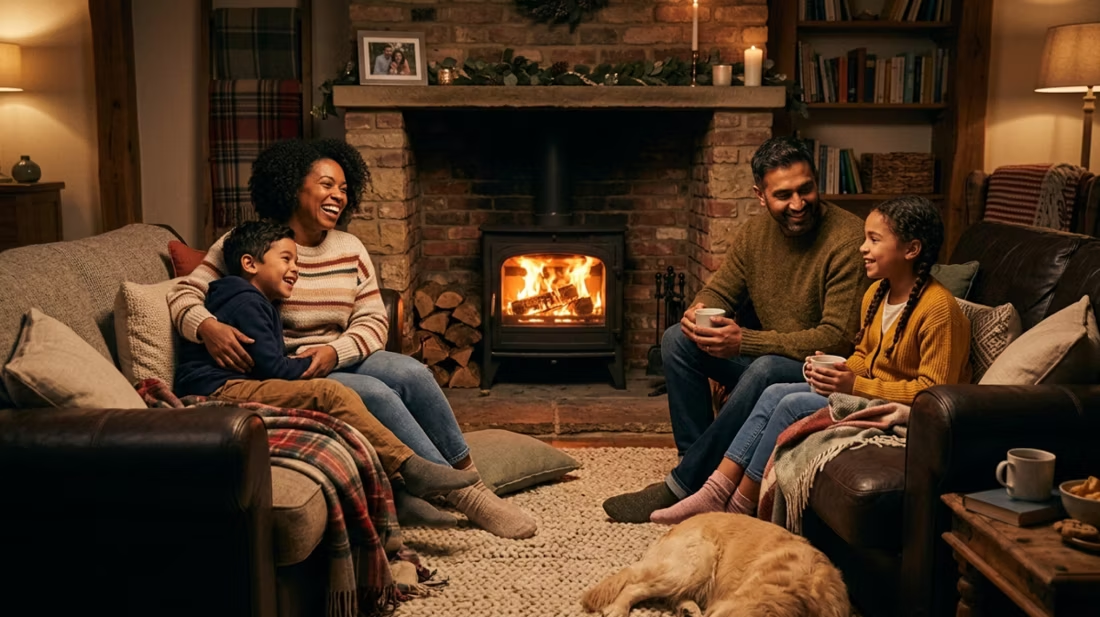
Four fuels. One honest answer for McKinley County.
Three steps. No salesperson until you're ready.
Tell us about your project
Your zip code, your situation, and the fuel you're leaning toward—or let the answers point you to one.
See what's actually available
The brands dealers within 100 miles genuinely carry—real options, never a catalog mirage.
Get your dealer & Project Guide
A trusted local dealer, plus the free Project Guide & Parts List that names every component of the job.
Frequently Asked Questions
Which fuel works best in McKinley County?
It depends on your home and where you're located in the county. Wood is the traditional fuel here—pinyon and juniper are the standard local species, burning hot with a distinctive aroma, and many households on Navajo Nation and Zuni Pueblo land still rely on wood as a primary or backup heat source, which matters when grid outages hit remote areas. Gas is the convenience option for Gallup households on New Mexico Gas Company's line, with propane filling in for homes further out. Pellet is a lower-labor middle ground—regional brands like Forest Energy and Lignetics keep supply reasonably steady, though stock can tighten in a hard winter. Electric fireplaces work fine for supplemental heat and ambiance in a bedroom or living room, but with average winter lows around 16°F and nearly 5,900 heating degree days a year, electric alone isn't a realistic primary heat source for most homes here. Many McKinley County households run wood or pellet as the workhorse and gas or electric for secondary rooms.
Do I need a permit to install a fireplace in McKinley County?
Usually, yes—but where your property sits matters a lot here. Within Gallup and unincorporated McKinley County, new wood stoves, inserts, gas appliances, and pellet stoves typically require a building permit, and gas work needs a separate line permit pulled by a licensed installer. On Navajo Nation or Pueblo of Zuni trust land, county permitting generally doesn't apply—those installations fall under tribal building codes and, for wood-burning appliances, Navajo Nation EPA air quality rules rather than the county building department. If you're not sure which jurisdiction covers your property, a local hearth retailer who's installed in that area before can usually tell you right away, and most handle the permitting paperwork as part of the install regardless of which authority is involved.
Are there air quality restrictions on wood burning in McKinley County?
The main air quality concern here is wildfire smoke rather than winter inversion. During dry stretches and Red Flag Warning days—common in the pinyon-juniper woodlands and up in the Zuni Mountains—outdoor burning is often restricted, and there can be voluntary requests to limit wood smoke when regional wildfire smoke is already thick in the air. Day-to-day home heating with wood isn't regulated the way it is in some inversion-prone basins, but any new wood stove or insert installed today still needs to meet EPA 2020 NSPS emissions standards. If you're burning during a active wildfire season, it's worth checking current New Mexico air quality advisories before adding to smoke that's already blowing through the county.
Can one local hearth retailer handle all four fuel types?
Many Gallup-area retailers carry three or four fuel types rather than specializing narrowly. A dealer like Red Rock Hearth & Home typically stocks wood, gas, and pellet units with at least a few electric models on display, which is useful if you're still deciding between fuels and want to see working units side by side. Smaller shops closer to Thoreau or Crownpoint tend to focus on wood and pellet, since that's what most of their rural customer base actually installs. If a business only sells firewood or bagged pellets, that's a fuel supplier rather than a hearth retailer—useful for keeping your existing stove running, but not where you'd go for a new install.
How does service work in rural areas of McKinley County?
Most chimney sweeps and gas techs serving McKinley County are based in Gallup and drive out to the rest of the county—Church Rock, Yah-ta-hey, and Fort Wingate are close enough for routine scheduling, while Ramah, Zuni, Thoreau, and Crownpoint often mean a longer trip and sometimes a travel fee, typically in the $50–$100 range depending on distance. Scheduling ahead matters more out here than in town: book annual wood stove or gas inspection service in late summer or early fall (before the October–April heating season), because mid-winter emergency calls to the far ends of the county can mean a multi-day wait. If you're on Navajo Nation or Zuni Pueblo land, ask your service tech up front whether they're familiar with tribal road access and any local permitting quirks—it can save a wasted first visit.
What's the typical cost range for fireplace installation across all fuel types in McKinley County?
Costs run lower here than in many parts of the country, but they still vary a lot by fuel. Wood stove or insert installation: roughly $4,000–$8,500, more if new chimney or hearth work is needed. Gas fireplace, insert, or stove: roughly $4,000–$10,000, with cost driven mainly by how much gas line work is required and whether you're on New Mexico Gas Company service or propane. Pellet stove or insert: roughly $4,000–$7,000 for a typical installation. Electric fireplace: $200–$2,800 for the unit itself, plus $400–$1,000 in labor for anything beyond a simple plug-in placement. See the county + fuel pages above for cost detail tied to specific local retailers.
What is an in-home preview and do I need one?
It's a visit where a hearth professional measures your space, confirms the model you picked actually works in your home, and walks the specs—framing, gas line, venting, finish work—before anything is ordered. Some details you just can't know until you see the house. Never make a down payment without one; it's the single most-skipped step that burns buyers.
Can I install a fireplace myself?
If you're putting a fire in your house on purpose, it's best to work with an expert. Unless you're genuinely experienced in framing, gas line, vent pipe, and the national code on clearances to combustibles, have a professional do it—and ideally the same company that sells you the fireplace, so warranty, service, and liability all live under one roof.
Wood, gas, pellet, or electric—how do I choose?
Match the fuel to your life, not the other way around. Wood: lowest fuel cost and total power-outage independence, but you're hauling and stacking. Gas: press a button, set a thermostat, no maintenance to speak of. Pellet: wood economics with automatic feeding, in exchange for weekly cleaning and a need for electricity. Electric: plugs in anywhere with honest supplemental heat. Nobody regrets the fuel that fits how they actually live.
Should the dealer who sells my fireplace also install it?
Ideally, yes. A fireplace project involves vent pipe, gas line, electrical, and often tile or stone. Hire three or four separate trades and you own the liability and the game of telephone between them. One company selling and installing means one accountable party, start to finish—ask about factory training, on-time completion records, and what happens if an inspection fails.
Stove and Fireplace Dealers in McKinley County
Listings include WhyFire partner dealers, dealers we have verified as authorized for the brands we recommend, and established local businesses that carry hearth products. Every listing shows which one it is. The ones marked Preferred run on WhyFire's software, so they can show you real pricing and book your appointment right here. No manufacturer pays for placement. How we verify dealers →
Castle Furniture
Navajo Tractor Sales Inc
Bob's Fireplace
Find your fireplace in McKinley County.
Pick your fuel below and we'll match you with a trusted local dealer, plus a free Project Guide & Parts List—the exact parts, vent kit included, and the dealer we recommend for your home in McKinley County.
Find Your Fireplace →