
Find the right fireplace or stove for your Lea County home.
Wood, gas, pellet, and electric fireplace resources for every city in Lea County—from Hobbs and Lovington to Eunice, Jal, and Tatum. Find the right unit and connect with a trusted local hearth retailer.
Every Project Starts From One of These Five Situations
Mild high-plains winters and Permian Basin energy in Lea County, New Mexico.
Lea County sits on the high plains of southeastern New Mexico, in climate zone 3B, at roughly 3,600 feet elevation. Winters are mild by national standards—average overnight lows sit around 30°F, and the county's winter heating load is less than a third of what a cold northern city like Fargo, ND racks up. The heating season is short, usually running from November through February. Even so, cold snaps happen, and the local wood tradition runs deep: pinyon and juniper are the classic high-desert firewood here, prized for hot, aromatic burns, with ponderosa pine also available from suppliers who source it from nearby forested country. The main seasonal concern isn't winter inversion smog like you'd find in a mountain basin—it's wildfire smoke, tied to the dry, windy stretches of late winter and spring across the region's grasslands and pinyon-juniper stands.
What you'll find on this hub: hearth retailers, service technicians, and fuel suppliers covering every community in the county—Hobbs and Lovington at the population centers, out to Eunice and Jal near the Texas border, and north to Tatum. Lea County's oil and gas economy also means natural gas infrastructure runs deep here, and propane fills the gaps in unincorporated areas; Southwestern Public Service (Xcel Energy) handles electric service, and regional pellet brands like Forest Energy and Lignetics stock local suppliers. Pick your fuel below to drill into specifics—local dealers, installation costs, recommended units, and the resources that match your project.
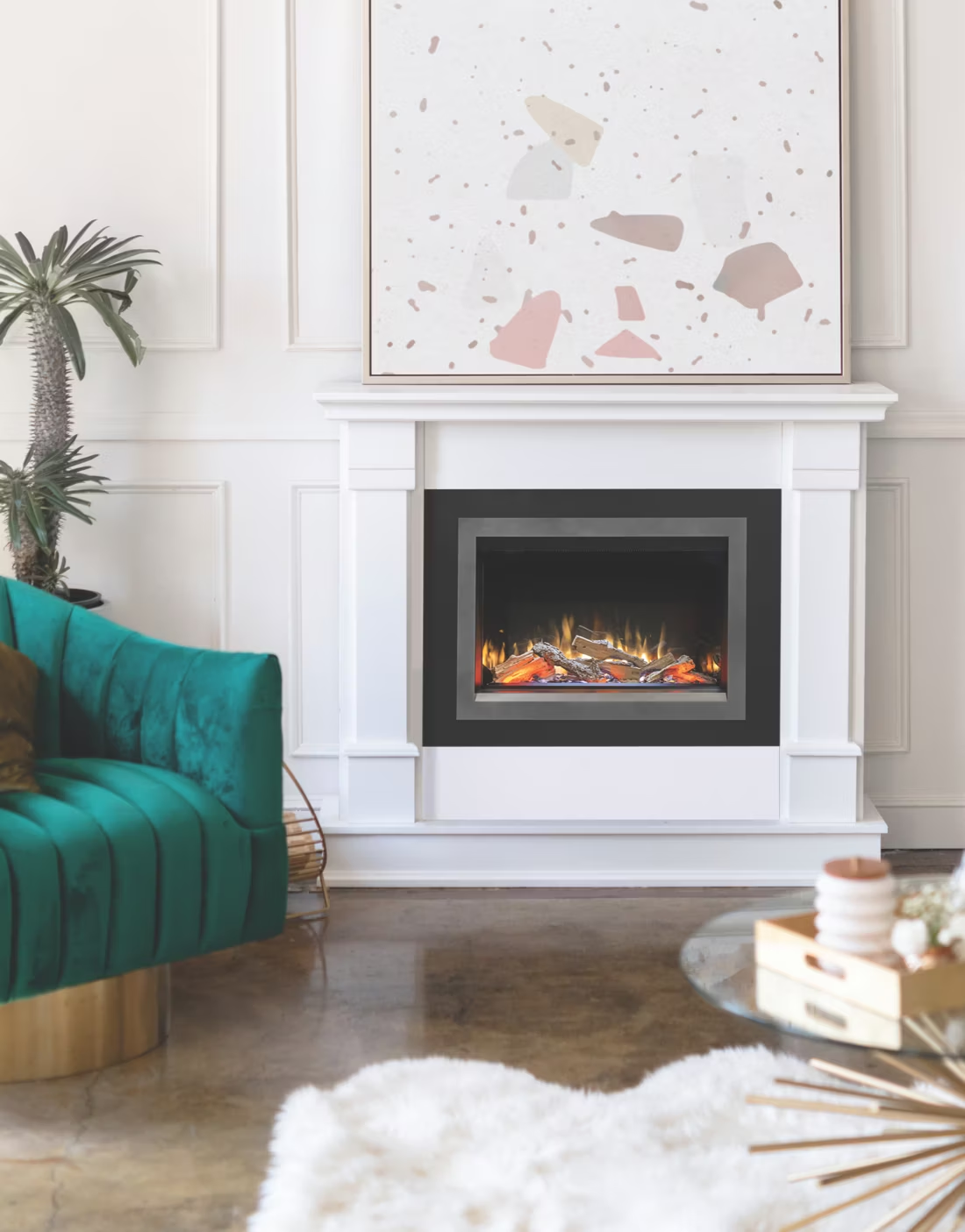
Four fuels. One honest answer for Lea County.
Three steps. No salesperson until you're ready.
Tell us about your project
Your zip code, your situation, and the fuel you're leaning toward—or let the answers point you to one.
See what's actually available
The brands dealers within 100 miles genuinely carry—real options, never a catalog mirage.
Get your dealer & Project Guide
A trusted local dealer, plus the free Project Guide & Parts List that names every component of the job.
Frequently Asked Questions
Which fuel works best in Lea County?
Because winters here are mild—average overnight lows around 30°F and a winter heating load less than a third of what a cold northern city like Fargo, ND sees—homeowners have real flexibility in fuel choice. Gas is the most common primary heat source, thanks to the deep local natural gas infrastructure tied to Permian Basin production; New Mexico Gas Company serves most incorporated areas, with propane filling in for rural county homes. Electric fireplaces, powered by Southwestern Public Service (Xcel Energy), work well as supplemental heat given how short the cold season runs. Wood remains popular for ambiance and backup—pinyon and juniper are the traditional local firewood, prized for aromatic smoke and hot, quick coals, with ponderosa pine also available. Pellet stoves, stocked with Forest Energy and Lignetics pellets, offer a cleaner-burning middle ground. Most Lea County homes lean on gas or electric as primary heat with wood or pellet for supplemental warmth.
Do I need a permit to install a fireplace in Lea County?
Yes, in most cases. Wood stoves, wood inserts, gas fireplaces, gas inserts, gas stoves, and pellet stoves typically require a building permit, and gas installations need a separate gas line permit completed by a licensed gas fitter. Electric fireplaces usually skip the permit process unless the installation involves new wiring or a built-in unit on a dedicated circuit. Within incorporated cities—Hobbs, Lovington, Eunice, Jal, Tatum—permits go through that city's building department; homes in unincorporated Lea County go through the county building office. Most local hearth retailers handle permitting as part of installation, so homeowners rarely have to navigate it themselves.
Are there air quality restrictions on wood burning in Lea County?
Lea County doesn't have the winter inversion issues you'd find in a mountain basin, but wildfire smoke is a real seasonal concern—particularly during the dry, windy stretch from late winter into spring when much of southeastern New Mexico sits under elevated fire risk. During red flag warnings, the State Forestry Division and local fire departments may issue outdoor burn restrictions, and it's worth checking those before burning brush or debris (indoor wood stove use isn't typically restricted the same way). Because the pinyon-juniper stands here are part of the broader high-desert fire ecology, many local firewood suppliers emphasize dry, well-seasoned wood—it burns cleaner and reduces spark risk compared to green or resinous cuts.
Can one local hearth retailer handle all four fuel types?
Many hearth retailers based in Hobbs and Lovington—the county's two largest population centers—carry at least three of the four fuel types, typically wood, gas, and pellet together, with electric fireplaces as a smaller product line. Given how spread out Lea County is, from Jal near the Texas border to Tatum in the north, most retailers cover the whole county through in-home consultations rather than branch showrooms in every town. If you want to compare fuel types side by side, a multi-fuel dealer with working showroom displays is generally the fastest way to see the real difference between a gas insert and a pellet stove before you commit.
How does service work in rural areas of Lea County?
Service technicians are concentrated in Hobbs and Lovington and travel out to the smaller communities—Eunice, Jal, Tatum, and the ranch and oilfield housing scattered across the county—for annual chimney sweeps, gas appliance inspections, and pellet stove cleaning. Expect a modest trip fee for calls outside the Hobbs-Lovington corridor. Because the heating season here is short, scheduling service in early fall, before the first cold snap, is usually easier than trying to book a technician in December or January.
What's the typical cost range for fireplace installation across all fuel types in Lea County?
Costs tend to run lower here than in colder climates, in part because Lea County's mild heating season means simpler venting and less oversized equipment. Wood stove or insert installation typically runs $3,500–$7,500. Gas fireplace, insert, or stove installation ranges $4,000–$9,000, often on the lower end where gas service already reaches the home—common given the county's natural gas infrastructure. Pellet stove or insert installation runs about $3,500–$6,500. Electric fireplace units run $200–$3,000 for the unit itself, plus $400–$1,200 in labor beyond simple plug-and-play setups. Actual pricing depends on your home's existing utility service and the specific unit—the county + fuel pages above break this down further.
What is an in-home preview and do I need one?
It's a visit where a hearth professional measures your space, confirms the model you picked actually works in your home, and walks the specs—framing, gas line, venting, finish work—before anything is ordered. Some details you just can't know until you see the house. Never make a down payment without one; it's the single most-skipped step that burns buyers.
Does a fireplace add value to my home?
On average, a fireplace adds back to the home about the same amount you spent installing it. Add the monthly savings from heating the rooms you actually use instead of the whole house—often hundreds of dollars a year—and the value case is strong before you even count what a fire does for how your family uses the room.
Can I install a fireplace myself?
If you're putting a fire in your house on purpose, it's best to work with an expert. Unless you're genuinely experienced in framing, gas line, vent pipe, and the national code on clearances to combustibles, have a professional do it—and ideally the same company that sells you the fireplace, so warranty, service, and liability all live under one roof.
I know I want a fireplace—where do I actually start?
Do two things today: snap a photo of the wall or fireplace you want to transform, and take a tape measure to the space—width, height, depth. Those two artifacts answer most of a hearth professional's first questions. Then settle fuel (wood, gas, pellet, or electric) and set a realistic budget: $3,900–$5,500 covers fireplace, vent, and basic install for most homes.
Stove and Fireplace Dealers in Lea County
Listings include WhyFire partner dealers, dealers we have verified as authorized for the brands we recommend, and established local businesses that carry hearth products. Every listing shows which one it is. The ones marked Preferred run on WhyFire's software, so they can show you real pricing and book your appointment right here. No manufacturer pays for placement. How we verify dealers →
Seal’s Energy Depot
Bill Placer's Chimney Sweep
Find your fireplace in Lea County.
Pick your fuel below and we'll match you with a trusted local Lea County dealer and send a free Project Guide & Parts List—the exact parts, vent kit, and recommended installer for your home.
Find Your Fireplace →