
Find the right fireplace for high desert winters in Guadalupe County.
Wood, gas, pellet, and electric fireplace resources for Santa Rosa, Vaughn, Anton Chico, Puerto de Luna, and every community along the Pecos River and old Route 66 corridor. Get matched with a trusted local hearth dealer instead of guessing at a big-box store.
Every Project Starts From One of These Five Situations
High desert heating along the Pecos River in Guadalupe County.
Guadalupe County sits in the high desert of east-central New Mexico, straddling the Pecos River and the historic Route 66 corridor. With a winter low average of 25°F, the heating season here is real but moderate—about half the heating demand of a place like Madison, WI, with cold nights but far fewer of them than the northern Rockies see. Pinyon and juniper dominate the woodlands, with ponderosa pine at higher elevations to the west, and burning locally cut pinyon or juniper for heat is a longtime regional practice. Wildfire smoke is the main air-quality concern in a county this dry, with dead and downed pinyon-juniper fuel loads a factor most homeowners here already think about.
With just under 3,800 residents spread across a large, sparsely populated county, hearth services here look different than in a metro area—fewer local dealers, more travel between towns, and a reliance on technicians who cover wide territory. This hub rolls up hearth retailers, service technicians, and fuel suppliers serving Santa Rosa (the county seat), Vaughn, Anton Chico, Puerto de Luna, and Pastura. Pick your fuel below for local dealer options, installation costs, and recommended units for a Guadalupe County home.
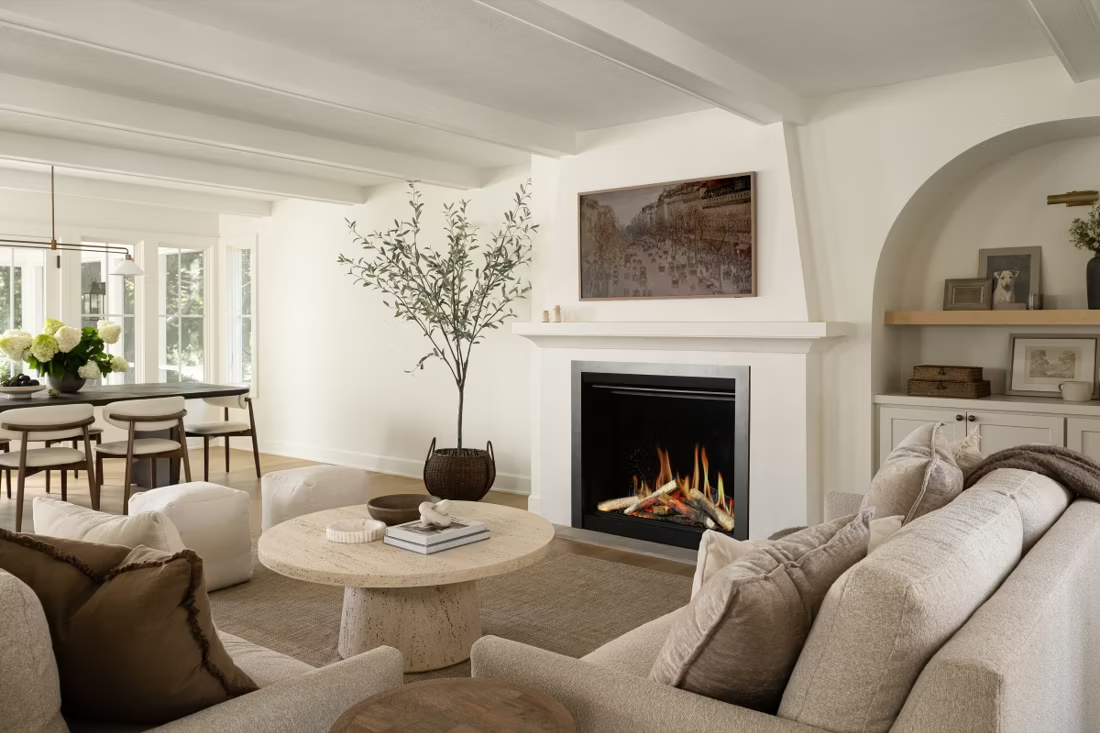
Four fuels. One honest answer for Guadalupe County.
Three steps. No salesperson until you're ready.
Tell us about your project
Your zip code, your situation, and the fuel you're leaning toward—or let the answers point you to one.
See what's actually available
The brands dealers within 100 miles genuinely carry—real options, never a catalog mirage.
Get your dealer & Project Guide
A trusted local dealer, plus the free Project Guide & Parts List that names every component of the job.
Frequently Asked Questions
Which fuel works best in Guadalupe County?
It depends on the home and how remote it is. Wood remains a practical primary or backup fuel here—pinyon and juniper are abundant locally, burn hot, and cost little if you're cutting your own on nearby BLM or state trust land. Gas is mostly propane-fed in this county rather than piped natural gas, since municipal gas infrastructure is limited outside the larger towns; propane fireplaces and inserts give instant heat without a woodpile. Pellet stoves are a solid middle ground—Forest Energy and Lignetics bags are the regional standard, and a hopper-fed stove handles Guadalupe County's moderate winters, about half the heating demand of a place like Madison, WI, without daily wood-splitting. Electric fireplaces work well as supplemental heat in bedrooms or casitas but shouldn't be relied on as a sole heat source when winter storms knock out power in this rural a county.
Do I need a permit to install a fireplace in Guadalupe County?
In most cases, yes. New Mexico's adopted building codes require permits for new wood stoves, wood inserts, gas fireplaces, gas inserts, gas stoves, and pellet appliances, and any new wood-burning unit needs to meet EPA emissions certification. Gas installations also require licensed gas-fitting work for the propane line connection. In Santa Rosa and other incorporated towns, permits are issued locally; in the unincorporated county, they route through the Guadalupe County building permit office. Because the county is rural and staffing is limited, plan for a few extra days of lead time compared to a city permit office—most local retailers handle the paperwork for you as part of the install.
Are there air quality restrictions on wood burning in Guadalupe County?
There's no formal wood-burning curtailment program here like you'll find in some Western urban areas, but wildfire smoke is the real air-quality concern given how dry the pinyon-juniper woodlands get in summer and fall. Homeowners burning wood are generally more focused on defensible space and outdoor burn restrictions during fire season than on winter smoke advisories. If you're cutting your own pinyon or juniper, checking current fire restrictions with the local land management office before any outdoor burning (brush piles, slash) is the practical concern, separate from indoor stove use, which is unrestricted outside of standard building code requirements.
Can one local hearth retailer handle all four fuel types?
Given Guadalupe County's population of under 4,000, dedicated multi-fuel hearth showrooms are limited within the county itself—many Santa Rosa and Vaughn homeowners end up working with a retailer based in Las Vegas, NM or Tucumcari that travels in for installation, or a propane supplier that also handles gas appliance sales. Pellet stoves and firewood are the fuels most likely to have local supply without leaving the county. If you want to compare wood, gas, pellet, and electric side by side in a showroom, expect to travel to a larger regional dealer—but installation and service can usually still happen locally.
How does service work in rural areas of Guadalupe County?
Most technicians serving Guadalupe County travel in from Las Vegas, NM, Tucumcari, or occasionally Albuquerque, covering Santa Rosa, Vaughn, Anton Chico, and Puerto de Luna on a route basis rather than daily. Expect a travel fee for service calls outside Santa Rosa proper, and expect to schedule annual chimney sweeps or gas inspections well before the first cold snap in October—mid-winter emergency calls in a county this spread out can mean a multi-day wait. Keeping a backup heat source (a wood stack if you run gas, a propane heater if you run wood) is common practice here given how far help can be.
What's the typical cost range for fireplace installation across all fuel types in Guadalupe County?
Wood stove or insert installation: roughly $4,000–$8,500 for a typical install, more if a new masonry chimney is needed. Propane fireplace, insert, or stove: roughly $4,000–$9,500 depending on the propane line and venting work required—conversions are cheaper if a tank and line already exist. Pellet stove or insert: roughly $4,000–$7,000 for a typical install, with Forest Energy or Lignetics fuel as the regional standard. Electric fireplace: $200–$2,500 for the unit itself, plus $300–$1,000 in labor for anything beyond a plug-and-play wall unit. Rural travel fees from Las Vegas, NM or Tucumcari-based installers can add to these totals—ask upfront when getting a quote.
Can I install a fireplace myself?
If you're putting a fire in your house on purpose, it's best to work with an expert. Unless you're genuinely experienced in framing, gas line, vent pipe, and the national code on clearances to combustibles, have a professional do it—and ideally the same company that sells you the fireplace, so warranty, service, and liability all live under one roof.
What is an in-home preview and do I need one?
It's a visit where a hearth professional measures your space, confirms the model you picked actually works in your home, and walks the specs—framing, gas line, venting, finish work—before anything is ordered. Some details you just can't know until you see the house. Never make a down payment without one; it's the single most-skipped step that burns buyers.
Can a fireplace actually lower my heating bill?
Yes—by creating a comfort zone. A furnace heats every square foot of the house just to warm the one room you're in; a gas fireplace on low burns roughly a sixth of the gas a typical furnace does. Set the furnace around 55–60 degrees as a baseline, then heat the rooms your family actually uses. Families who heat this way commonly save $20–$60 a month.
Does a fireplace add value to my home?
On average, a fireplace adds back to the home about the same amount you spent installing it. Add the monthly savings from heating the rooms you actually use instead of the whole house—often hundreds of dollars a year—and the value case is strong before you even count what a fire does for how your family uses the room.
Stove and Fireplace Dealers in Guadalupe County
Listings include WhyFire partner dealers, dealers we have verified as authorized for the brands we recommend, and established local businesses that carry hearth products. Every listing shows which one it is. The ones marked Preferred run on WhyFire's software, so they can show you real pricing and book your appointment right here. No manufacturer pays for placement. How we verify dealers →
Hacienda Home Centers
Tierra Woodstoves
Find your fireplace in Guadalupe County.
Tell us about your home and we'll match you with a trusted local dealer and send a free Project Guide & Parts List—the exact parts, vent kit, and recommended installer for your Guadalupe County project.
Find Your Fireplace →