
Reliable heat for every farmhouse and Main Street home in Greeley County.
Wood, gas, pellet, and electric fireplace resources for Greeley, Wolbach, Scotia, and the rural sections in between. Find the right unit for your home and get matched with a trusted local hearth retailer.
Every Project Starts From One of These Five Situations
Central Nebraska winters call for dependable heat.
Greeley County sits in Nebraska's Zone 5A climate band, where winter fronts sweep down off the plains with little to break the wind—conditions closer to Fargo, ND than to milder parts of the Midwest. With just over 1,400 residents spread across a mostly agricultural landscape, many homes here are older farmhouses on acreage, and a lot of families still burn oak, hickory, or cottonwood cut from their own shelterbelts and windbreaks. Reliable heat isn't a lifestyle choice out here—it's a practical necessity when a February cold front rolls through.
What you'll find on this hub: hearth retailers, service technicians, and fuel suppliers serving the whole county—Greeley, Wolbach, Scotia, and the farms and unincorporated crossroads around them. Pick your fuel below to see local dealers, typical installation costs, and recommended units for your specific project. Whether you're replacing an aging wood stove in a century-old farmhouse or adding a gas insert for backup heat during winter outages, this is the starting point.
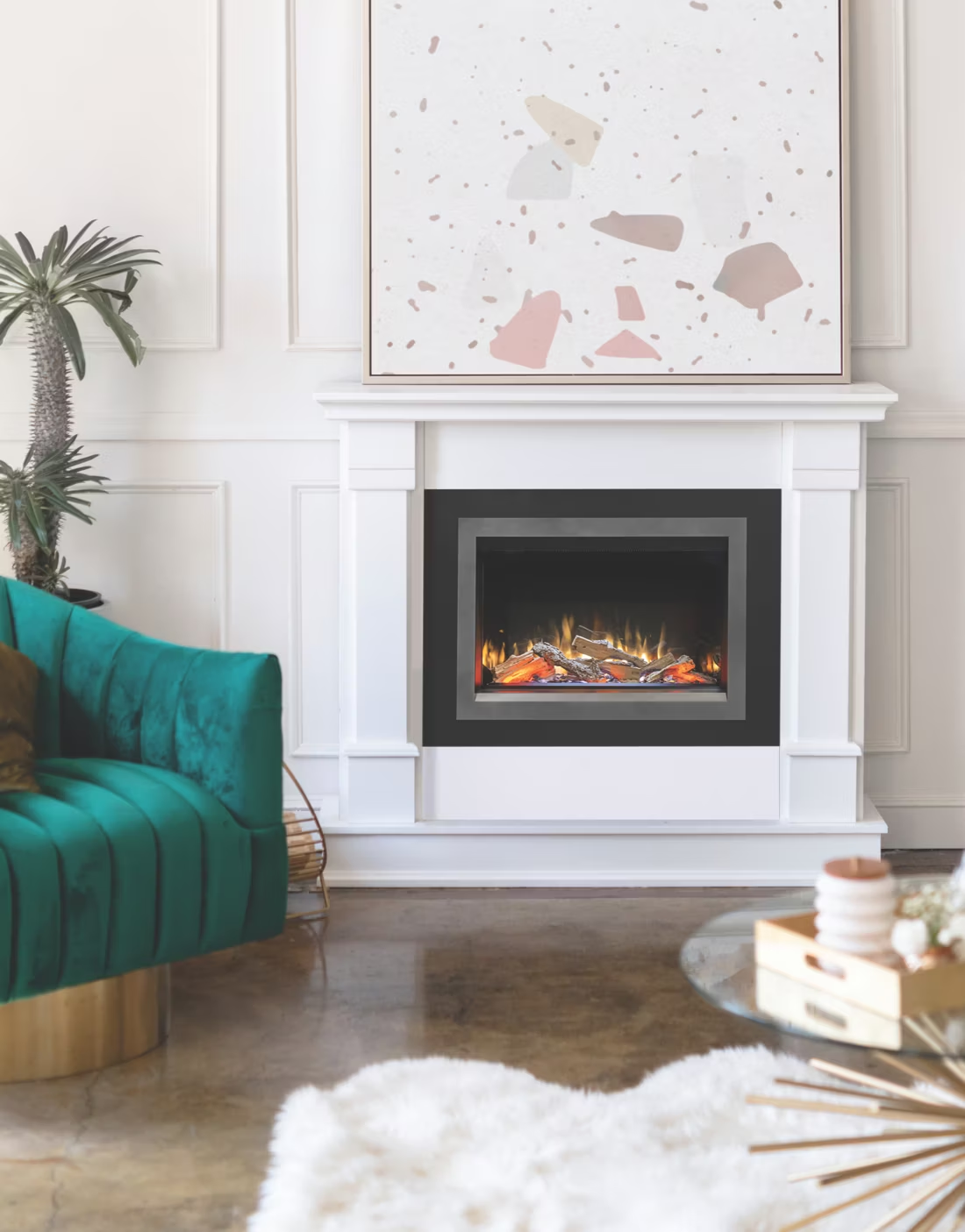
Four fuels. One honest answer for Greeley County.
Three steps. No salesperson until you're ready.
Tell us about your project
Your zip code, your situation, and the fuel you're leaning toward—or let the answers point you to one.
See what's actually available
The brands dealers within 100 miles genuinely carry—real options, never a catalog mirage.
Get your dealer & Project Guide
A trusted local dealer, plus the free Project Guide & Parts List that names every component of the job.
Frequently Asked Questions
Which fuel works best in Greeley County?
It depends on the home and the setup. Wood remains a strong choice for the many farm properties in Greeley County—oak, hickory, and cottonwood are commonly available from local shelterbelts and windbreaks, and a wood stove keeps working even when the power goes out during a plains ice storm. Gas is the convenience pick for in-town homes in Greeley or Scotia with access to propane delivery—no wood-splitting, consistent heat, and easy operation for older homeowners. Pellet stoves are a good middle ground where regional supply from brands like Lignetics is accessible, offering wood-like heat without the daily hauling. Electric fireplaces work well as supplemental heat in bedrooms or additions, but given Zone 5A winters, they're rarely anyone's sole heat source. Many rural households here run two systems—a wood or pellet stove as backup heat alongside a propane furnace—since outages are a real concern on the open plains.
Do I need a permit to install a fireplace in Greeley County?
Most new wood stoves, inserts, gas appliances, and pellet stoves require a building permit, and gas installations typically need a separate permit and licensed installer for the gas line connection. Because Greeley County is largely rural and unincorporated, permitting requirements and inspection timelines can vary between the town of Greeley, the village of Scotia, and county jurisdiction—it's worth confirming with the local building authority before starting work. Electric fireplaces generally don't need a permit unless you're hardwiring a built-in unit into a new circuit. Most hearth retailers who install in this area handle the permit paperwork themselves as part of the job.
Are there air quality restrictions on wood burning in Greeley County?
No. Greeley County has no reported air quality non-attainment issues, winter inversion concerns, or wood-smoke curtailment programs—unlike basin or urban areas where burn bans are common. That said, a properly sized and EPA-certified wood stove will always burn more efficiently and produce less smoke than an old, unregulated model, which matters for your own indoor air quality and for getting the most heat out of the wood you're cutting.
Can one local hearth retailer handle all four fuel types?
Because Greeley County's population is small, most of the hearth retailers serving the area are regional dealers based in larger nearby towns who carry a broad mix of fuel types to serve customers across several counties. Many carry wood, gas, and pellet units, with electric fireplaces as a smaller add-on category. If you want to compare fuels side by side, ask a retailer directly which lines they stock and whether they can show working displays—coverage varies more by individual dealer here than by any county-wide standard.
How does service work in rural parts of Greeley County?
Most chimney sweeps and gas/pellet technicians serving this area are based outside the county and run rural routes through central Nebraska, so scheduling ahead matters—especially for pre-season chimney sweeps in September and October, before the first cold front arrives. Expect a modest trip fee for service calls to farms and acreages outside Greeley or Scotia. If you're relying on a wood or pellet stove as backup heat during winter power outages, it's worth scheduling annual service early and keeping basic spare parts (igniters, gaskets) on hand, since a mid-winter emergency call can mean a longer wait on the plains.
What's the typical cost range for fireplace installation across all fuel types in Greeley County?
Costs generally track with regional Midwest pricing, though rural travel fees can add to the total. Wood stove or insert installation: roughly $4,000–$8,500 for a typical farmhouse install, more if new chimney chase work is needed. Gas fireplace, insert, or stove: roughly $4,000–$10,000 depending on propane line work and venting. Pellet stove or insert: roughly $4,000–$7,000 for a standard install. Electric fireplace: $200–$3,000 for the unit itself, plus $400–$1,200 in labor for anything beyond a simple plug-and-play placement. See the county + fuel pages above for cost detail tied to specific local retailers.
Can I install a fireplace myself?
If you're putting a fire in your house on purpose, it's best to work with an expert. Unless you're genuinely experienced in framing, gas line, vent pipe, and the national code on clearances to combustibles, have a professional do it—and ideally the same company that sells you the fireplace, so warranty, service, and liability all live under one roof.
Does a fireplace add value to my home?
On average, a fireplace adds back to the home about the same amount you spent installing it. Add the monthly savings from heating the rooms you actually use instead of the whole house—often hundreds of dollars a year—and the value case is strong before you even count what a fire does for how your family uses the room.
I know I want a fireplace—where do I actually start?
Do two things today: snap a photo of the wall or fireplace you want to transform, and take a tape measure to the space—width, height, depth. Those two artifacts answer most of a hearth professional's first questions. Then settle fuel (wood, gas, pellet, or electric) and set a realistic budget: $3,900–$5,500 covers fireplace, vent, and basic install for most homes.
What is an in-home preview and do I need one?
It's a visit where a hearth professional measures your space, confirms the model you picked actually works in your home, and walks the specs—framing, gas line, venting, finish work—before anything is ordered. Some details you just can't know until you see the house. Never make a down payment without one; it's the single most-skipped step that burns buyers.
Stove and Fireplace Dealers in Greeley County
Listings include WhyFire partner dealers, dealers we have verified as authorized for the brands we recommend, and established local businesses that carry hearth products. Every listing shows which one it is. The ones marked Preferred run on WhyFire's software, so they can show you real pricing and book your appointment right here. No manufacturer pays for placement. How we verify dealers →
Find your fireplace in Greeley County.
Pick your fuel below, and we'll match you with a trusted local dealer and send a free Project Guide & Parts List—the exact parts, including the vent kit, for your project in Greeley County.
Find Your Fireplace →