
Reliable heat for every homestead in Chase County.
Wood, gas, pellet, and electric fireplace resources for Imperial, Champion, Wauneta, and the farms and ranches between them. Find the right unit for the High Plains and connect with a trusted local hearth dealer.
Every Project Starts From One of These Five Situations
Southwest Nebraska winters call for dependable heat.
Chase County sits on the High Plains near the Nebraska-Colorado border, where open farmland and few windbreaks mean winter wind can push the felt cold well past the thermometer reading. With average winter lows around 12°F, this county runs a heating season comparable to Bismarck, ND—long, and often accompanied by wind-driven cold that outpaces the raw temperature. Oak and hickory from local shelterbelts and farm ground burn hot and steady in wood stoves, while cottonwood is common as a secondary or kindling species. With no air quality non-attainment concerns in the county, wood burning here isn't restricted by curtailment days the way it is in some western basins.
What you'll find on this hub: hearth retailers, service technicians, and fuel suppliers serving Imperial and the smaller communities of Champion and Wauneta, plus the farmsteads scattered across the county's roughly 900 square miles. Pick your fuel below to drill into specifics—local dealers, installation costs, recommended units, and resources matched to your project. Whether you're heating a farmhouse outside Imperial or a Main Street home in Wauneta, this is the starting point.
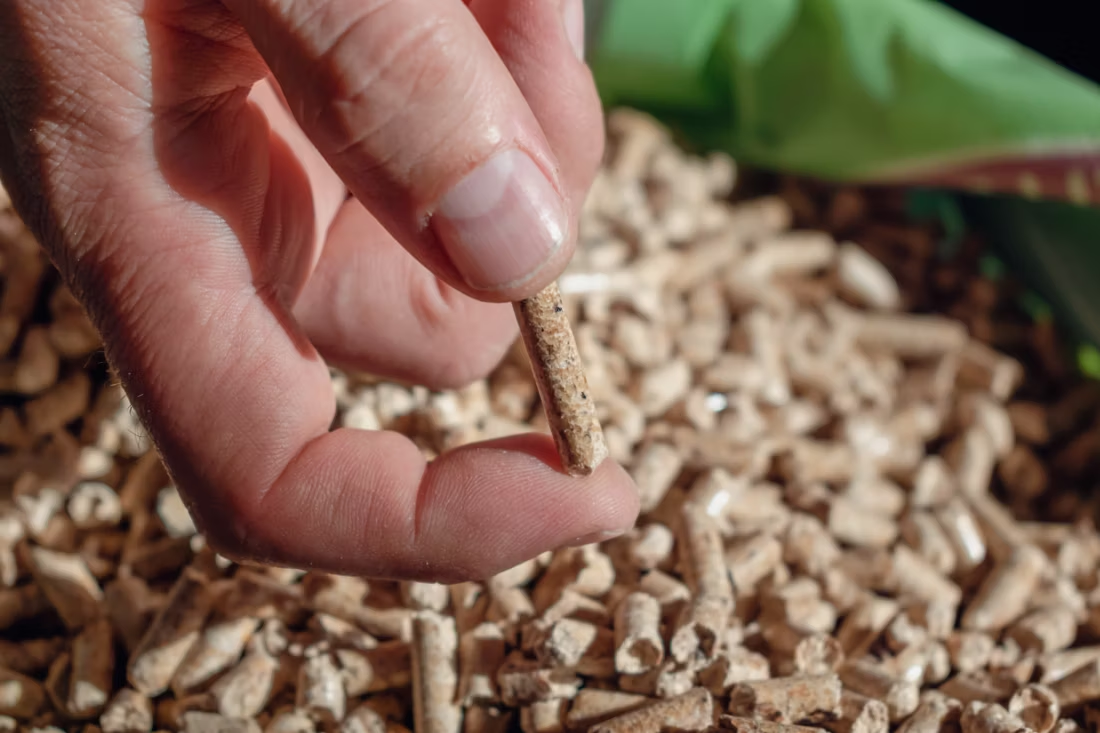
Four fuels. One honest answer for Chase County.
Three steps. No salesperson until you're ready.
Tell us about your project
Your zip code, your situation, and the fuel you're leaning toward—or let the answers point you to one.
See what's actually available
The brands dealers within 100 miles genuinely carry—real options, never a catalog mirage.
Get your dealer & Project Guide
A trusted local dealer, plus the free Project Guide & Parts List that names every component of the job.
Frequently Asked Questions
Which fuel works best in Chase County?
It depends on the home and the situation. Wood is a strong fit here—oak and hickory from shelterbelts and farm ground burn long and hot, wood works when winter storms knock out rural power lines, and there are no air quality curtailment restrictions to worry about. Gas is the convenience choice for homes with propane service (common on farmsteads without natural gas mains)—instant heat with no wood-hauling labor. Pellet is a solid middle ground, though rural Chase County households should plan ahead on pellet supply since fuel comes from regional distributors like Lignetics rather than a local retail shelf. Electric works well as supplemental heat for bedrooms or additions but isn't built to carry a farmhouse through a windy 12°F night on its own. Many Chase County homes pair wood or propane as the primary heat source with electric in secondary rooms.
Do I need a permit to install a fireplace in Chase County?
In most cases, yes, for wood, gas, and pellet installations. Gas installations also typically require a separate line permit and licensed gas-fitter work, especially where propane tanks and buried lines are involved on rural properties. Electric fireplaces generally don't require a permit unless the installation involves new wiring or a built-in unit tied into your home's electrical panel. Within Imperial, permits run through the city; outside city limits, permitting falls to the county. Most local hearth retailers in the region handle this paperwork as part of the installation, which is worth confirming up front given how spread out service areas are in this part of the state.
Are there air quality restrictions on wood burning in Chase County?
No. Chase County has no air quality non-attainment designation and no winter inversion or wildfire smoke concerns that trigger curtailment advisories, unlike some western mountain basins. That means wood stoves and fireplaces here run without the yellow/red burn-day restrictions you'd find in more geographically enclosed regions. New wood-burning appliance installations still need to meet current EPA emissions standards, but day-to-day burning isn't subject to the voluntary or mandatory advisory systems used in smoke-prone basins.
Can one local hearth retailer handle all four fuel types?
Given Chase County's population of under 3,000, most homeowners work with retailers based in Imperial or in a nearby regional hub like McCook that serve a wide multi-county radius. A dealer covering this kind of rural territory typically carries wood, gas, and pellet as their core lines, with electric fireplaces as a smaller add-on category. If you're comparing fuels, it's worth asking a retailer directly which units they keep in showroom stock versus what they can special-order—rural dealers often carry fewer floor models than urban stores but can source what fits your project.
How does service work in rural areas of Chase County?
Most chimney sweeps and gas techs serving Chase County are based outside the county—often in McCook or other regional centers—and travel out to Imperial, Champion, Wauneta, and the farmsteads between them. Expect a modest trip charge for service calls on top of the standard labor rate, and plan for longer lead times than you'd get in a metro area. Scheduling annual service in late summer or early fall, before the first cold snap, is the best way to avoid a wait during peak winter demand. For wood-burning households especially, an annual chimney inspection before the heating season matters given how much use these stoves see on the High Plains.
What's the typical cost range for fireplace installation across all fuel types in Chase County?
Ranges vary by fuel and by how far a contractor has to travel for the job. Wood stove or insert installation: roughly $4,000–$8,500 for a typical install, more if new chimney or hearth work is needed. Gas fireplace, insert, or stove: roughly $4,000–$10,000, with propane tank and line work adding to the cost on properties without existing gas service. Pellet stove or insert: roughly $4,000–$7,000 for a typical install. Electric fireplace: $200–$2,500 for the unit itself, plus modest labor for anything beyond a plug-and-play wall unit. Rural service calls may carry a travel surcharge baked into these estimates. For specifics, see the county + fuel pages above.
What is an in-home preview and do I need one?
It's a visit where a hearth professional measures your space, confirms the model you picked actually works in your home, and walks the specs—framing, gas line, venting, finish work—before anything is ordered. Some details you just can't know until you see the house. Never make a down payment without one; it's the single most-skipped step that burns buyers.
I know I want a fireplace—where do I actually start?
Do two things today: snap a photo of the wall or fireplace you want to transform, and take a tape measure to the space—width, height, depth. Those two artifacts answer most of a hearth professional's first questions. Then settle fuel (wood, gas, pellet, or electric) and set a realistic budget: $3,900–$5,500 covers fireplace, vent, and basic install for most homes.
Can I install a fireplace myself?
If you're putting a fire in your house on purpose, it's best to work with an expert. Unless you're genuinely experienced in framing, gas line, vent pipe, and the national code on clearances to combustibles, have a professional do it—and ideally the same company that sells you the fireplace, so warranty, service, and liability all live under one roof.
Can a fireplace actually lower my heating bill?
Yes—by creating a comfort zone. A furnace heats every square foot of the house just to warm the one room you're in; a gas fireplace on low burns roughly a sixth of the gas a typical furnace does. Set the furnace around 55–60 degrees as a baseline, then heat the rooms your family actually uses. Families who heat this way commonly save $20–$60 a month.
Stove and Fireplace Dealers in Chase County
Listings include WhyFire partner dealers, dealers we have verified as authorized for the brands we recommend, and established local businesses that carry hearth products. Every listing shows which one it is. The ones marked Preferred run on WhyFire's software, so they can show you real pricing and book your appointment right here. No manufacturer pays for placement. How we verify dealers →
Air Concepts
Hearth & Tile Creations - Platte Construction, Inc
Lusk Heating & Ac
Plains Heating & Air Conditioning
Five Star Flooring
Bird's Alternatives
Find your fireplace project in Chase County.
Pick your fuel below and I'll match you with a trusted local dealer and send a free Project Guide & Parts List—the parts, the vent kit, and the dealer recommended for your home.
Find Your Fireplace →