
Every fuel type, every mile of Treasure County.
Wood, gas, pellet, and electric fireplace resources for one of Montana's smallest counties—from the Yellowstone River bottomland around Hysham out to the ranches along I-94. Pick a fuel and get matched with a dealer who actually makes the drive out here.
Every Project Starts From One of These Five Situations
232 residents, IECC Climate Zone 6B, and winters that don't care how few people are watching.
Treasure County sits along the Yellowstone River between Billings and Miles City, with Hysham as the county seat and Sanders as its only other named community. It's one of the least populated counties in the country, and it's also squarely in IECC Climate Zone 6B—the same heating-load category as Bismarck, North Dakota, where the cold sets in early and stays. Lodgepole pine, ponderosa pine, Douglas fir, and aspen are the wood species most households here burn, typically sourced from surrounding ranch land and regional firewood dealers rather than any large public forest, since the county itself is river-bottom and prairie rather than timbered mountain terrain.
What that means practically: with only a couple hundred residents spread across the whole county, there's no dense network of hearth retailers or chimney sweeps based locally. Most homeowners here get matched with dealers and service crews out of Billings or Miles City who cover the I-94 corridor on a route basis rather than a same-day basis. Wildfire smoke in dry summers is a seasonal air-quality concern, though Treasure County isn't a formal non-attainment area, so there's no winter curtailment program shaping which stoves get installed—the bigger driver is simply getting a certified unit, the right venting, and a technician who's willing to make the trip. This hub rolls up retailers, service techs, and fuel suppliers who serve the county, whichever end of it you're on.
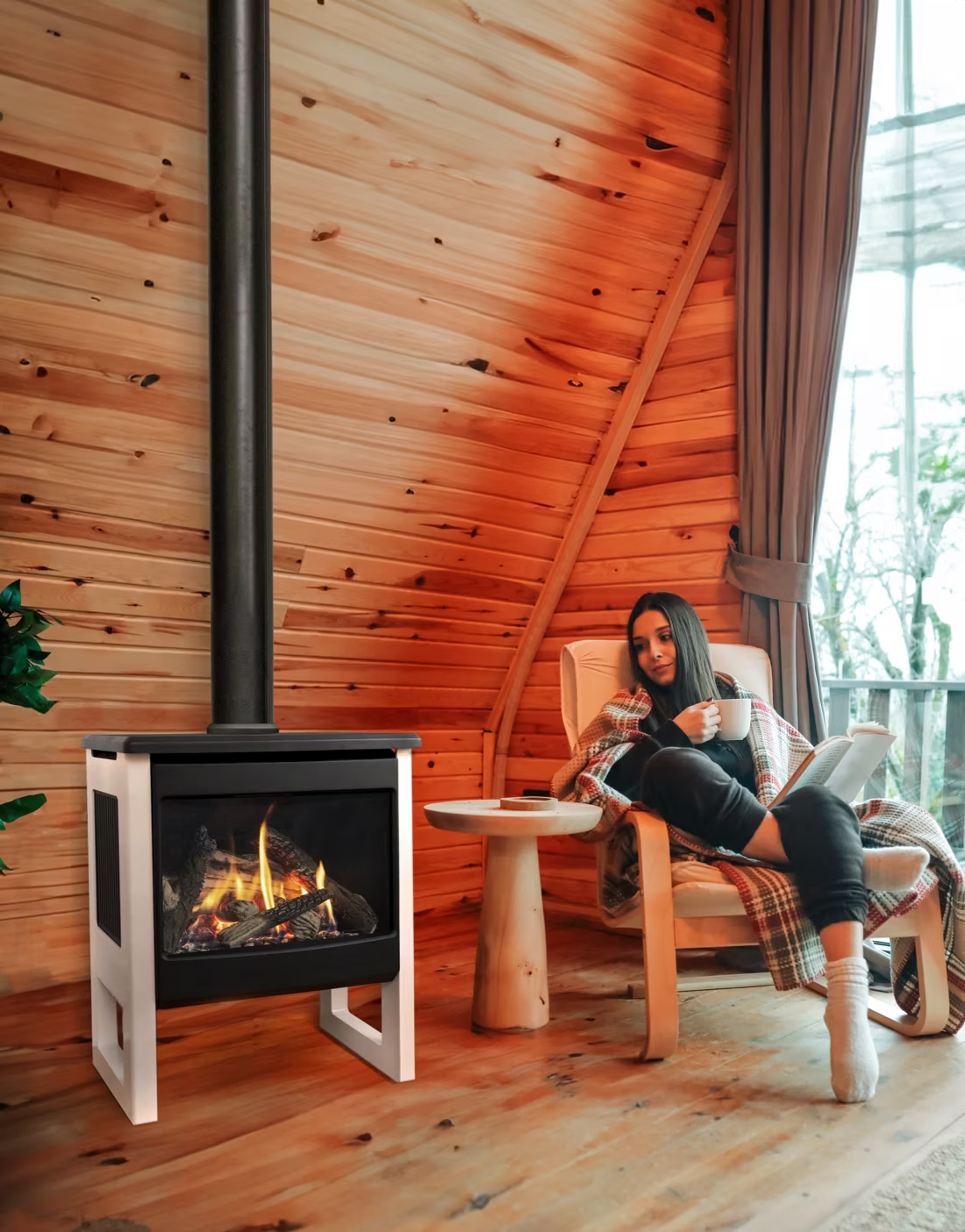
Four fuels. One honest answer for Treasure County.
Three steps. No salesperson until you're ready.
Tell us about your project
Your zip code, your situation, and the fuel you're leaning toward—or let the answers point you to one.
See what's actually available
The brands dealers within 100 miles genuinely carry—real options, never a catalog mirage.
Get your dealer & Project Guide
A trusted local dealer, plus the free Project Guide & Parts List that names every component of the job.
Frequently Asked Questions
Which fireplace fuel makes the most sense in Treasure County?
All four fuels show up here, but the choice usually comes down to what's already at your property. Wood remains common on the county's ranches—a cast-iron or catalytic stove burning ponderosa pine, Douglas fir, or lodgepole pine will carry a home through the long Zone 6B cold with minimal fuss, and firewood is often sourced right off the property or from a neighbor. Gas is workable where propane delivery is reliable, since piped natural gas doesn't reach most of this county; propane fireplaces and inserts are the practical 'flip a switch' option. Pellet stoves have a following too, with Bear Mountain, Lignetics, and Forest Energy all distributed regionally, and they're a good fit for households that want wood-stove heat without splitting and hauling logs. Electric fireplaces work fine as supplemental heat in a bedroom or den, but with winters this cold, nobody here is running one as a primary heat source.
Do I need a permit to install a fireplace or stove in Treasure County?
Most installs still go through a permit process, even in a county this sparsely populated—new wood and pellet stoves generally need to meet current EPA emissions standards, and any gas-line or propane connection work should be pulled through the county building department and completed by a licensed gas fitter. Because so much of the county is unincorporated ranch land, requirements can be lighter than in a platted town, but that's a conversation to have directly with the county rather than assuming. Electric fireplace installs rarely need a permit unless you're adding a dedicated circuit for a built-in unit. The retailers we match Treasure County homeowners with typically handle this paperwork as part of the install.
Does wildfire smoke affect stove use out here?
It's a real seasonal concern, but it's a summer issue rather than a winter one. Treasure County isn't a designated non-attainment area, so there's no yellow curtailment program restricting which stoves can burn on a given day, unlike some other Montana and Oregon counties. The bigger wildfire-smoke impact here is on late-summer and early-fall air quality generally, which is separate from home heating decisions—it doesn't change what stove or fireplace you can install, only how often you might be closing windows in August.
Where do I actually find a hearth dealer if I live in Treasure County?
There's no hearth showroom based inside the county itself, so nearly everyone ends up working with a retailer out of Billings or Miles City, both within reasonable driving distance along I-94. These dealers regularly run installs and service calls out to Hysham, Sanders, and the surrounding ranches, but they typically batch Treasure County stops with other Yellowstone River valley routes rather than offering same-week turnaround. We match you with whichever of these retailers actually services your specific stretch of the county and carries the fuel type you're after.
What does a fireplace installation typically cost in Treasure County?
Costs run close to regional Montana averages, with a bit more built in for travel given how far crews are coming from. Wood stove and insert installs typically land around $4,000–$8,500. Propane fireplace and stove installs run roughly $4,000–$10,000 depending on tank setup and venting. Pellet stove or insert installs generally fall between $4,000–$7,000. Electric fireplaces are the cheapest entry point—$200–$3,000 for the unit, plus $400–$1,200 in labor if it's more than a plug-and-play placement. Ask any dealer up front whether a trip charge applies for your address.
How do I keep a reliable supply of firewood or pellets out here?
Firewood is usually the easiest fuel to secure in Treasure County since so much of the land is ranch and river-bottom property with standing timber or deadfall to work with; many households cut and split their own or arrange with a neighbor. If you're buying, regional firewood dealers along the Yellowstone valley corridor deliver seasonally. Pellets take more planning—Bear Mountain, Lignetics, and Forest Energy bags are distributed through the wider region, but with no big-box store inside the county, it's worth buying a season's supply in one trip to Billings or Miles City rather than relying on frequent restocking.
What is an in-home preview and do I need one?
It's a visit where a hearth professional measures your space, confirms the model you picked actually works in your home, and walks the specs—framing, gas line, venting, finish work—before anything is ordered. Some details you just can't know until you see the house. Never make a down payment without one; it's the single most-skipped step that burns buyers.
Can I install a fireplace myself?
If you're putting a fire in your house on purpose, it's best to work with an expert. Unless you're genuinely experienced in framing, gas line, vent pipe, and the national code on clearances to combustibles, have a professional do it—and ideally the same company that sells you the fireplace, so warranty, service, and liability all live under one roof.
Wood, gas, pellet, or electric—how do I choose?
Match the fuel to your life, not the other way around. Wood: lowest fuel cost and total power-outage independence, but you're hauling and stacking. Gas: press a button, set a thermostat, no maintenance to speak of. Pellet: wood economics with automatic feeding, in exchange for weekly cleaning and a need for electricity. Electric: plugs in anywhere with honest supplemental heat. Nobody regrets the fuel that fits how they actually live.
How much should I budget for a fireplace?
For an average home—covering the fireplace, the vent pipe, and basic installation—a budget between $3,900 and $5,500 gives you a lot of options across wood, gas, and pellet. By the time you add finish work, gas line, and electrical, the average complete installation lands between $5,000 and $12,000 all-in. In a remodel or new build, a good rule is to put about 2.5% of the total project cost toward the fireplace.
Stove and Fireplace Dealers in Treasure County
Listings include WhyFire partner dealers, dealers we have verified as authorized for the brands we recommend, and established local businesses that carry hearth products. Every listing shows which one it is. The ones marked Preferred run on WhyFire's software, so they can show you real pricing and book your appointment right here. No manufacturer pays for placement. How we verify dealers →
Stove Doctor
White Heating & Air Conditioning
Get matched with a local Treasure County dealer.
Pick your fuel below and we'll put together a free Project Guide & Parts List—the right unit, the vent kit it needs, and the dealer we recommend for a project out in this stretch of Montana.
Find Your Fireplace →