
Heating a home on Flathead Lake takes more than a space heater.
Wood, gas, pellet, and electric fireplace resources for every community in Lake County—from Polson down to St. Ignatius. Find the right unit and connect with a trusted local hearth retailer.
Every Project Starts From One of These Five Situations
Long winters, lake-effect moisture, and 7,130 heating degree days.
Lake County sits in northwest Montana, wrapped around the southern half of Flathead Lake, with the Mission and Salish mountains framing the valley. At Climate Zone 6B and 7,130 heating degree days, the heating season here runs comparably to Duluth, MN—long, damp, and cold, with average winter lows near 22°F but regular stretches well below zero when arctic air drops down from Canada. Lodgepole pine, ponderosa pine, Douglas fir, and aspen are the wood species most homeowners burn, much of it self-cut under permits from Flathead National Forest or Lolo National Forest. Wood heat is a practical necessity for a lot of rural properties here, not a lifestyle choice.
What you'll find on this hub: hearth retailers, service technicians, and fuel suppliers covering every community in the county—Polson and Ronan on the lake's south shore, St. Ignatius and Pablo in the Mission Valley, and the smaller communities scattered along Highway 93 and the lakeshore. Pick a fuel below to see local dealers, installed cost ranges, and the specifics that apply to your project—whether you're heating a lakefront cabin or a ranch house up toward the Mission Mountains.
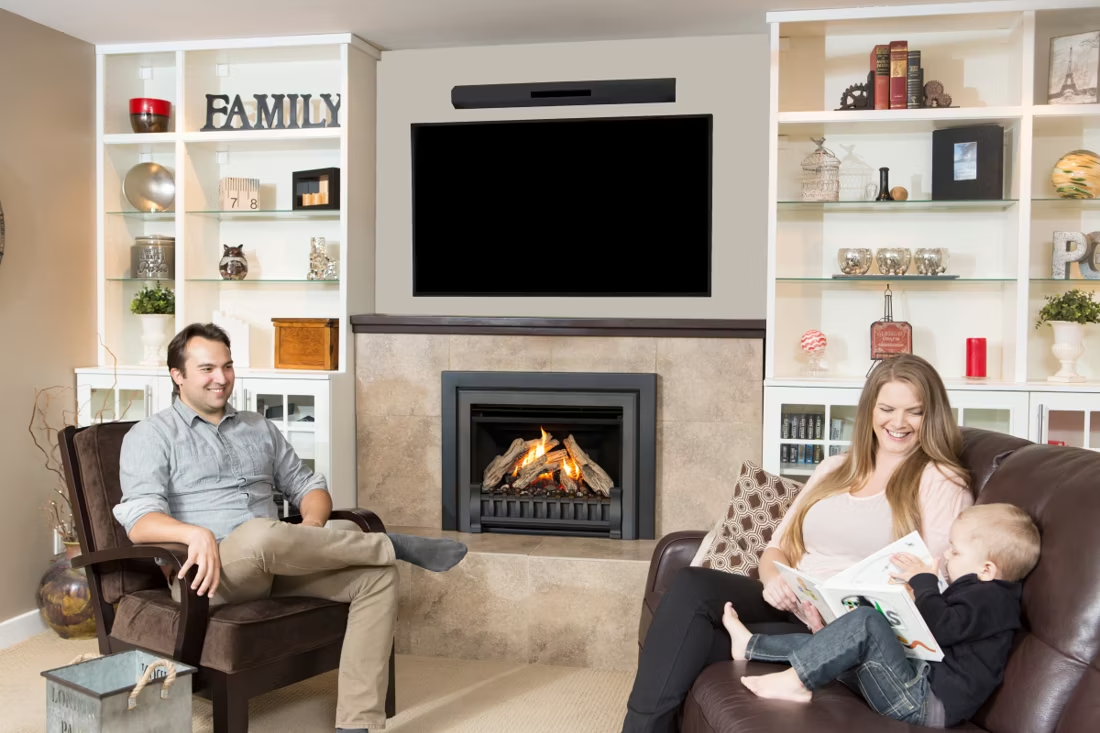
Four fuels. One honest answer for Lake County.
Three steps. No salesperson until you're ready.
Tell us about your project
Your zip code, your situation, and the fuel you're leaning toward—or let the answers point you to one.
See what's actually available
The brands dealers within 100 miles genuinely carry—real options, never a catalog mirage.
Get your dealer & Project Guide
A trusted local dealer, plus the free Project Guide & Parts List that names every component of the job.
Frequently Asked Questions
Which fuel works best for a home in Lake County?
It depends on the property and how remote it is. Wood remains the primary heat source for a large share of rural Lake County homes—cutting permits through Flathead National Forest and Lolo National Forest keep fuel costs down, and a well-sized catalytic or non-cat stove can carry a home through the coldest stretches without relying on the grid. Gas is the convenience option where propane delivery is reliable, particularly around Polson and Ronan—no wood handling, consistent heat, easy to zone. Pellet stoves are a strong middle option here given decent regional supply from Bear Mountain, Lignetics, and Forest Energy—less physical labor than cordwood, though they do need electricity to run the auger and blower, which matters if outages are a concern. Electric fireplaces work well as supplemental heat in bedrooms or additions but won't carry a home through a 7,130-HDD winter on their own. Most households here end up running two fuels—wood or pellet as the workhorse, gas or electric filling in secondary rooms.
Do I need a permit to install a wood stove or gas fireplace in Lake County?
Yes, in almost every case. Lake County requires building permits for new wood stoves, wood inserts, gas fireplaces, gas inserts, gas stoves, and pellet appliances, and any gas line work needs a licensed gas-fitter and a separate permit. Wood-burning appliances installed today need to meet current EPA emissions standards—this matters if you're replacing an older uncertified stove inherited with a property purchase. Electric fireplace installs generally skip the building permit unless you're hardwiring a built-in unit, which then needs an electrical permit. Permitting runs through the county for unincorporated areas and through the relevant city office inside Polson or Ronan. Most hearth retailers in the area handle this paperwork as part of the installation quote, so it's worth asking upfront rather than pulling the permit yourself.
Are there air quality restrictions on wood burning in Lake County?
Some, tied mainly to wildfire smoke season rather than winter inversions. Lake County is flagged as a non-attainment area, and summer and early fall wildfire smoke from the surrounding national forests can push air quality into unhealthy ranges for days at a stretch—that's a separate issue from home heating, but it shapes how the county monitors particulate levels overall. For winter wood burning specifically, current EPA emissions standards apply to any new stove installation, and replacing an older smoke-heavy stove with a certified unit is one of the more effective things a homeowner can do to reduce their household's contribution during high-smoke stretches. If you're burning wood regularly through a Montana winter, well-seasoned lodgepole or Douglas fir in a certified stove burns noticeably cleaner than green or wet cordwood.
Can one local hearth retailer handle all four fuel types?
Coverage varies by dealer, and it's worth asking directly rather than assuming. Some hearth retailers serving the Polson and Ronan area carry a full lineup—wood, gas, pellet, and electric—with working displays of each so you can compare in person. Others specialize, particularly in wood and pellet given how central those fuels are to the local heating culture, with less depth on electric units. A handful of suppliers around the county sell firewood or bagged pellets but aren't set up as hearth retailers with installation crews—useful for fuel, not for a new appliance. If you're not sure which fuel fits your home, a multi-fuel dealer is the easiest way to see the trade-offs side by side before committing.
How does service work for homes outside Polson and Ronan?
Most chimney sweeps and gas techs covering Lake County are based near Polson and drive out to the Mission Valley towns, lakeshore properties, and the more remote roads off Highway 93. Expect a modest trip charge for calls well outside town—often $40–$90 depending on distance—and longer lead times during the pre-winter rush in September and October when everyone's scheduling their annual sweep at once. Booking early in late summer, before wildfire smoke season and the fall service crunch hit, gets you a better slot than calling in December when the first cold snap hits. For remote properties, it's also worth keeping backup heat on hand—a wood stove as backup for a pellet unit, or vice versa—given how weather and road conditions can delay a service visit.
What does fireplace installation typically cost across fuel types in Lake County?
Costs vary by fuel and by how much venting or gas line work is involved. Wood stove or insert installation: roughly $4,500–$9,500 for a standard install, more if a new chimney chase is needed for new construction or a major remodel. Gas fireplace, insert, or stove: roughly $4,500–$11,000, with propane conversions on the lower end if a tank and line are already in place. Pellet stove or insert: roughly $4,500–$7,500 for most installs. Electric fireplace: $200–$3,000 for the unit itself, plus $400–$1,200 in labor for anything beyond a simple plug-in, which covers most wall-mount and built-in jobs. The county + fuel pages above break these numbers down further against local retailer pricing.
Can a fireplace actually lower my heating bill?
Yes—by creating a comfort zone. A furnace heats every square foot of the house just to warm the one room you're in; a gas fireplace on low burns roughly a sixth of the gas a typical furnace does. Set the furnace around 55–60 degrees as a baseline, then heat the rooms your family actually uses. Families who heat this way commonly save $20–$60 a month.
What is an in-home preview and do I need one?
It's a visit where a hearth professional measures your space, confirms the model you picked actually works in your home, and walks the specs—framing, gas line, venting, finish work—before anything is ordered. Some details you just can't know until you see the house. Never make a down payment without one; it's the single most-skipped step that burns buyers.
Does a fireplace add value to my home?
On average, a fireplace adds back to the home about the same amount you spent installing it. Add the monthly savings from heating the rooms you actually use instead of the whole house—often hundreds of dollars a year—and the value case is strong before you even count what a fire does for how your family uses the room.
Should the dealer who sells my fireplace also install it?
Ideally, yes. A fireplace project involves vent pipe, gas line, electrical, and often tile or stone. Hire three or four separate trades and you own the liability and the game of telephone between them. One company selling and installing means one accountable party, start to finish—ask about factory training, on-time completion records, and what happens if an inspection fails.
Stove and Fireplace Dealers in Lake County
Listings include WhyFire partner dealers, dealers we have verified as authorized for the brands we recommend, and established local businesses that carry hearth products. Every listing shows which one it is. The ones marked Preferred run on WhyFire's software, so they can show you real pricing and book your appointment right here. No manufacturer pays for placement. How we verify dealers →
Aire Serv/kalispell
Anderson Masonry Hearth & Home
Energy Partners Propane Mt
Find your fireplace project in Lake County.
Pick your fuel below and we'll match you with a trusted local dealer, plus a free Project Guide & Parts List—the parts, the vent kit, and the recommended installer for your specific home.
Find Your Fireplace →