
Find the right fireplace for wide-open Carter County, Montana.
Wood, gas, pellet, and electric fireplace resources for Ekalaka and the ranches spread across Carter County—a climate zone 6B county where winters run harsh and the nearest big-box store is a long drive away. Find the right unit and connect with a trusted local dealer.
Every Project Starts From One of These Five Situations
Frontier heating on Montana's high plains.
Carter County sits in the far southeastern corner of Montana, bordering both Wyoming and South Dakota, with a population of roughly 386 spread across more than 3,300 square miles—one of the lowest population densities anywhere in the Lower 48. Winters here are severe: climate zone 6B puts Carter County in the same heating category as Bismarck, North Dakota, with prolonged subzero cold and wind-driven blizzards that can knock out power for days. Ranch families in this county have long relied on wood cut from the Long Pines and Custer Gallatin National Forest lands—lodgepole pine, ponderosa pine, douglas fir, and aspen—both for its cost and its reliability when the grid goes down.
What you'll find on this hub: hearth retailers, service technicians, and fuel suppliers who cover Carter County, even though most of them are based well outside it—in Miles City, Baker, or across the state line in Belle Fourche or Rapid City, South Dakota. Pick your fuel below to see local dealer coverage, typical installation costs, and what actually gets installed in a county this remote. Whether you're heating a ranch house near Alzada or a home in Ekalaka itself, this is the starting point.
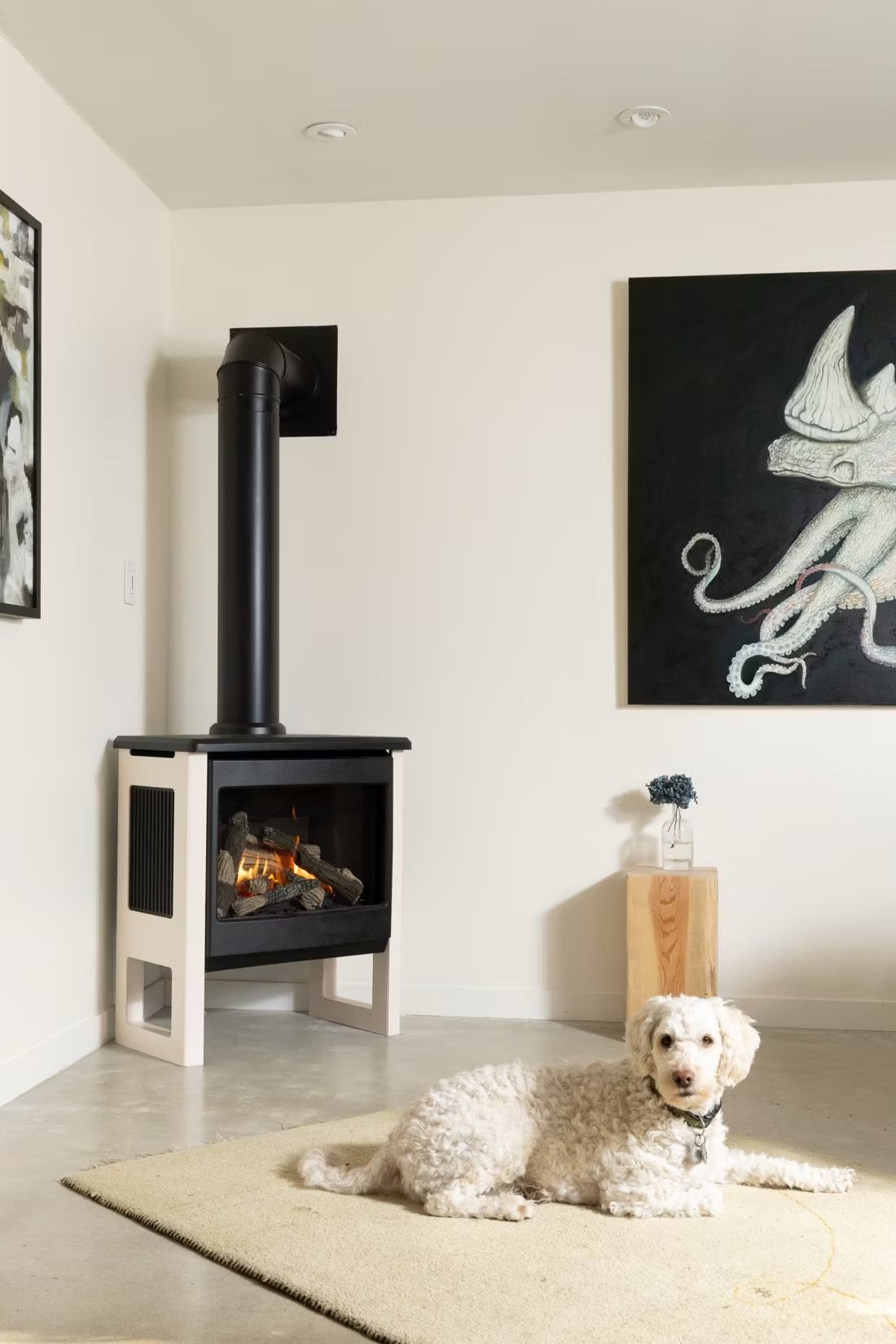
Four fuels. One honest answer for Carter County.
Three steps. No salesperson until you're ready.
Tell us about your project
Your zip code, your situation, and the fuel you're leaning toward—or let the answers point you to one.
See what's actually available
The brands dealers within 100 miles genuinely carry—real options, never a catalog mirage.
Get your dealer & Project Guide
A trusted local dealer, plus the free Project Guide & Parts List that names every component of the job.
Frequently Asked Questions
Which fuel works best in Carter County?
Given how remote this county is and how often winter storms knock out power, wood remains the most dependable primary heat source for most Carter County homes—lodgepole pine, ponderosa pine, douglas fir, and aspen are all locally available, and a good catalytic stove will carry a house through a multi-day outage without any grid dependence. Propane is the practical convenience fuel here since there's no piped natural gas in this part of the state; it requires a tank and delivery schedule but gives instant, thermostat-controlled heat. Pellet stoves work well if you can plan around delivery—Bear Mountain, Lignetics, and Forest Energy bags typically come through regional farm-and-ranch suppliers rather than a dedicated hearth store, so buying a season's supply in one trip makes sense. Electric fireplaces are fine for supplemental warmth in a bedroom or den, but with climate zone 6B winters this cold, they shouldn't be your only heat source—especially with the outage risk that comes with rural power lines during blizzards.
Do I need a permit to install a fireplace in Carter County?
Likely yes for wood, gas, and pellet installations, though Carter County's small population means there's no dedicated building inspector on staff the way a larger county would have. Permitting for hearth appliances generally runs through the county courthouse in Ekalaka under Montana's adopted building code, and any gas connection work should still go through a licensed propane technician regardless of the paperwork. Because staffing is thin, timelines can run longer than in a bigger county—it's worth confirming with your installer early, since most local and regional dealers who work this territory already know the process and can handle it for you.
Does wildfire smoke affect wood burning in Carter County?
It can, seasonally. Carter County's air quality concern isn't winter inversion—it's wildfire smoke from regional fires during dry summers and falls, which can blanket the Long Pines and surrounding ranch country for days at a time. This doesn't translate into winter burn bans the way it does in basin communities further west; it's more a summer and early-fall air quality issue tied to fire season rather than a restriction on cold-weather heating. A newer EPA-certified stove still burns cleaner and more efficiently than an older uncertified unit, which matters both for your wood supply and for reducing your own contribution to smoke load during a bad fire year.
Can one dealer handle all four fuel types in a county this small?
Usually yes, but that dealer probably isn't headquartered in Carter County. With a population of 386 spread across more than 3,300 square miles, there's no local hearth showroom to speak of—homeowners typically work with a multi-fuel dealer out of Miles City, Baker, or across the state line in Belle Fourche or Rapid City, South Dakota. These regional dealers are used to covering long distances and often carry wood, gas, pellet, and electric units side by side, which is useful if you're comparing fuels before committing to a chimney or vent installation.
How does service and installation work in ranch country this remote?
Plan ahead of the season. Technicians serving Carter County are driving in from Miles City, Baker, or South Dakota border towns, so a travel fee—often $75-$150 depending on distance—is standard, and scheduling gets tighter once fall service calls pick up ahead of winter. Given how often blizzards take down power lines out here, it's worth having a wood stove or fireplace as a backup heat source even if propane or electric is your primary system, and keeping basic parts (gaskets, batteries for gas IPI units) on hand rather than waiting on a service call in January.
What's the typical cost range for fireplace installation across fuel types in Carter County?
Costs run a bit higher here than in a densely populated county, mainly due to travel and freight. Wood stove or insert installation typically runs $5,000-$10,000, more if new chimney work is needed for a ranch house without existing venting. Propane fireplace, insert, or stove installation generally falls between $5,000-$12,000, with tank setup and line work adding to the lower end of that range if there's no existing propane infrastructure on the property. Pellet stove or insert installs run roughly $5,000-$8,000, and factor in a pellet delivery plan since local stock is limited. Electric fireplaces remain the cheapest option—$200-$3,000 for the unit itself, plus $400-$1,200 in labor for anything beyond a plug-and-play install. Ask your dealer to itemize any travel or freight charges upfront, since those vary a lot by how far the crew has to drive.
Does a fireplace add value to my home?
On average, a fireplace adds back to the home about the same amount you spent installing it. Add the monthly savings from heating the rooms you actually use instead of the whole house—often hundreds of dollars a year—and the value case is strong before you even count what a fire does for how your family uses the room.
I know I want a fireplace—where do I actually start?
Do two things today: snap a photo of the wall or fireplace you want to transform, and take a tape measure to the space—width, height, depth. Those two artifacts answer most of a hearth professional's first questions. Then settle fuel (wood, gas, pellet, or electric) and set a realistic budget: $3,900–$5,500 covers fireplace, vent, and basic install for most homes.
What is an in-home preview and do I need one?
It's a visit where a hearth professional measures your space, confirms the model you picked actually works in your home, and walks the specs—framing, gas line, venting, finish work—before anything is ordered. Some details you just can't know until you see the house. Never make a down payment without one; it's the single most-skipped step that burns buyers.
Wood, gas, pellet, or electric—how do I choose?
Match the fuel to your life, not the other way around. Wood: lowest fuel cost and total power-outage independence, but you're hauling and stacking. Gas: press a button, set a thermostat, no maintenance to speak of. Pellet: wood economics with automatic feeding, in exchange for weekly cleaning and a need for electricity. Electric: plugs in anywhere with honest supplemental heat. Nobody regrets the fuel that fits how they actually live.
Stove and Fireplace Dealers in Carter County
Listings include WhyFire partner dealers, dealers we have verified as authorized for the brands we recommend, and established local businesses that carry hearth products. Every listing shows which one it is. The ones marked Preferred run on WhyFire's software, so they can show you real pricing and book your appointment right here. No manufacturer pays for placement. How we verify dealers →
Builders First Source - Spearfish
Knecht Home Center-Spearfish
Get matched with a dealer that actually serves Carter County.
Tell us about your project and we'll send a free Project Guide & Parts List—the right unit, the vent kit, and a recommended dealer who's used to reaching ranch country this remote.,
Find Your Fireplace →