
Find the right fireplace for a Mississippi Delta winter.
Wood, gas, pellet, and electric fireplace resources for Rolling Fork, Anguilla, and every community in Sharkey County. Match with a trusted local hearth retailer who knows what actually installs well in the Delta.
Every Project Starts From One of These Five Situations
Mild winters, real heat needs, in the heart of the Delta.
Sharkey County sits in the Mississippi Delta floodplain, where winters are short and mild by national standards—climate zone 3A, an average winter low near 36°F, and only a light overall winter heating load, a fraction of what a place like Duluth, MN sees in a single season. But mild doesn't mean irrelevant: cold fronts still push through, humidity makes 30-degree nights feel colder, and older farmhouses around Rolling Fork and Anguilla often have minimal insulation. A fireplace here is as much about supplemental warmth on the coldest 20-30 nights of the year as it is about the gathering-room centerpiece many Delta homes have had for generations.
What you'll find on this hub: hearth retailers, service technicians, and fuel suppliers serving every community in Sharkey County—from the county seat of Rolling Fork to Anguilla, Cary, and the surrounding farmland. Pick your fuel below for local dealer listings, installation costs, and unit recommendations suited to a small, rural Delta county. Whether you're heating a historic home near the levee or a newer build outside town, this is the starting point.
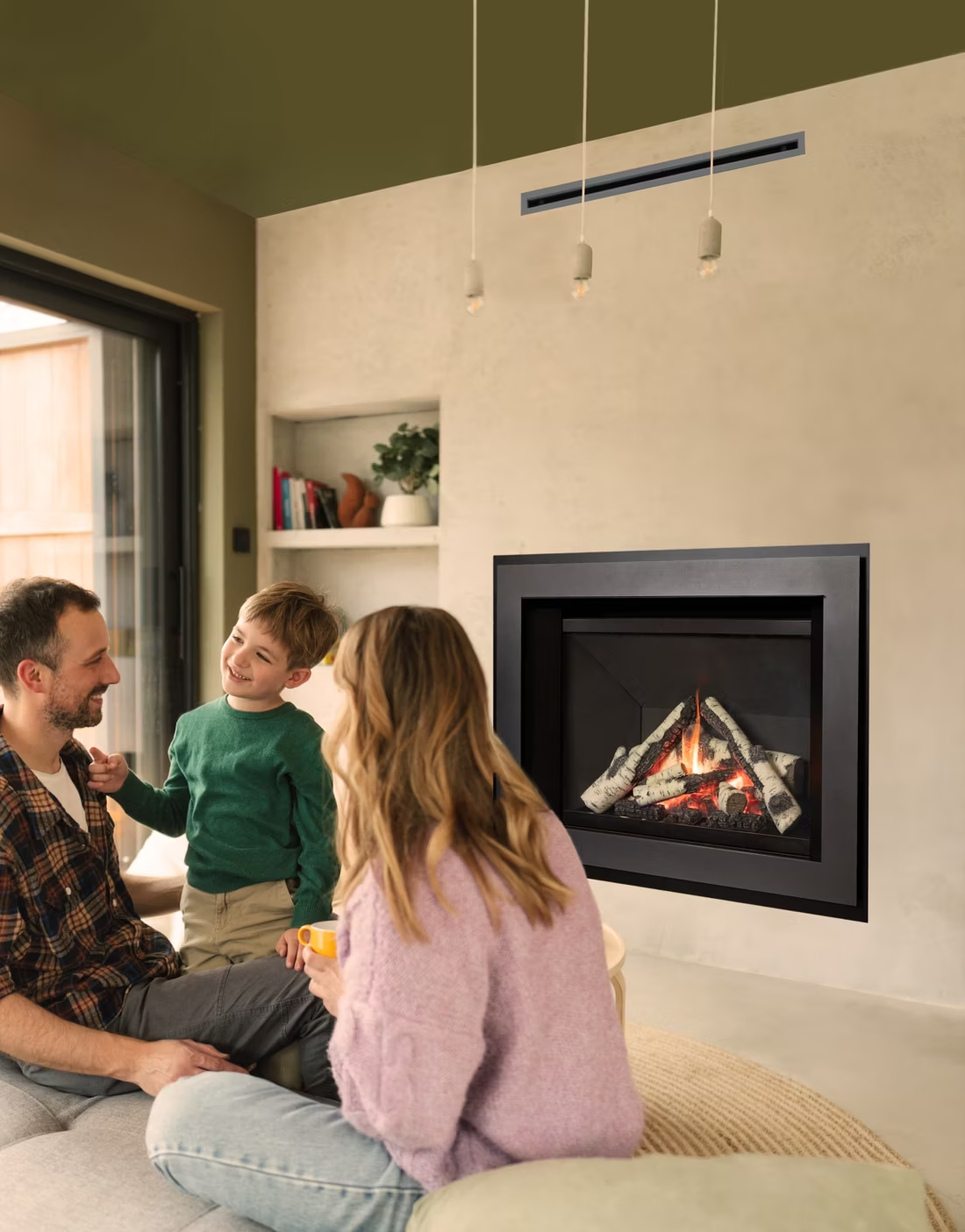
Four fuels. One honest answer for Sharkey County.
Three steps. No salesperson until you're ready.
Tell us about your project
Your zip code, your situation, and the fuel you're leaning toward—or let the answers point you to one.
See what's actually available
The brands dealers within 100 miles genuinely carry—real options, never a catalog mirage.
Get your dealer & Project Guide
A trusted local dealer, plus the free Project Guide & Parts List that names every component of the job.
Frequently Asked Questions
Do you even need a fireplace in a county this mild?
Plenty of Sharkey County homeowners decide yes. With a light overall winter heating load and winter lows averaging 36°F, this isn't a place that needs a fireplace to survive the way International Falls, MN does. But older Delta farmhouses around Rolling Fork often have poor insulation and no central heat in back rooms, and a wood or gas unit handles the handful of genuinely cold nights each winter cheaply. Many homeowners also want the ambiance and resale value a fireplace adds to a historic Delta home, independent of the heating math.
Which fuel makes the most sense for a Sharkey County home?
Wood remains popular given how much oak, pine, and pecan grows locally—self-cut or locally-bought firewood keeps operating costs low, and a mid-efficiency wood stove or fireplace insert handles the coldest Delta nights without issue. Gas (propane, since rural Sharkey County has limited natural gas infrastructure) is the low-maintenance choice for homeowners who want instant heat without stacking wood. Pellet stoves work well too—Lignetics and Hamer Pellet Fuel both have regional distribution into the Delta, and pellet units need less chimney maintenance than wood. Electric fireplaces are a fine supplemental option for bedrooms or dens, especially given how mild the season is overall, but they're rarely anyone's primary heat source here.
Do I need a permit to install a fireplace in Sharkey County?
In most cases, yes, for wood, gas, and pellet installations—this typically runs through the Sharkey County building permit process for unincorporated areas, or through Rolling Fork's town office if you're inside city limits. Gas installations need a separate line permit and a licensed gas-fitter for the connection. Electric fireplaces usually skip permitting unless the installation involves new wiring or a hardwired built-in unit. Most local hearth retailers who serve the county handle the paperwork as part of the installation, since they're already making the trip out from Vicksburg or Greenville.
Are there any air quality restrictions on wood burning here?
No—Sharkey County has no designated air quality non-attainment concerns and no burn-ban program tied to winter inversions the way some Western counties do. Wood burning is unrestricted from an air-quality standpoint. That said, a wood stove installed after 2020 generally needs to meet EPA emissions standards regardless of local air quality status, so factor that into your unit selection even without a local mandate driving it.
How does service and installation work in a rural county this small?
Because Sharkey County's population is around 3,300, very few hearth retailers or service techs are based inside the county itself—most travel in from Vicksburg, Greenville, or other nearby Delta towns. That means scheduling ahead matters more than it would in a larger market: book your annual chimney sweep or gas inspection in late summer or early fall, before the first cold front of the season creates a rush. Expect a modest travel fee for service calls out to Rolling Fork, Anguilla, or Cary, and ask your retailer up front whether they cover your specific address before assuming they do.
What does fireplace installation typically cost across fuel types?
Costs in Sharkey County track regional Delta pricing rather than any local premium. Wood stove or insert installation: roughly $4,000-$8,000 for a typical install, more for full masonry chimney work in an older farmhouse. Gas fireplace, insert, or stove: roughly $4,000-$9,000 depending on propane line work and venting. Pellet stove or insert: roughly $4,000-$6,500 for a typical install. Electric fireplace: $200-$2,500 for the unit itself, with $300-$1,000 in labor if it's more than a plug-and-play wall unit. See the county + fuel pages above for retailer-specific pricing.
Does a fireplace add value to my home?
On average, a fireplace adds back to the home about the same amount you spent installing it. Add the monthly savings from heating the rooms you actually use instead of the whole house—often hundreds of dollars a year—and the value case is strong before you even count what a fire does for how your family uses the room.
What is an in-home preview and do I need one?
It's a visit where a hearth professional measures your space, confirms the model you picked actually works in your home, and walks the specs—framing, gas line, venting, finish work—before anything is ordered. Some details you just can't know until you see the house. Never make a down payment without one; it's the single most-skipped step that burns buyers.
Can I install a fireplace myself?
If you're putting a fire in your house on purpose, it's best to work with an expert. Unless you're genuinely experienced in framing, gas line, vent pipe, and the national code on clearances to combustibles, have a professional do it—and ideally the same company that sells you the fireplace, so warranty, service, and liability all live under one roof.
Should the dealer who sells my fireplace also install it?
Ideally, yes. A fireplace project involves vent pipe, gas line, electrical, and often tile or stone. Hire three or four separate trades and you own the liability and the game of telephone between them. One company selling and installing means one accountable party, start to finish—ask about factory training, on-time completion records, and what happens if an inspection fails.
Stove and Fireplace Dealers in Sharkey County
Listings include WhyFire partner dealers, dealers we have verified as authorized for the brands we recommend, and established local businesses that carry hearth products. Every listing shows which one it is. The ones marked Preferred run on WhyFire's software, so they can show you real pricing and book your appointment right here. No manufacturer pays for placement. How we verify dealers →
Neill Gas
Blossman Gas And Appliance
The Old Store
O'Neal Gas Inc.
Get matched with a Sharkey County hearth dealer.
Tell us about your project and we'll send a free Project Guide & Parts List—the right unit, the exact parts including venting, and a trusted local dealer recommendation for your fuel and your home.
Find Your Fireplace →