
Find the right fireplace for Montgomery County, Mississippi.
Wood, gas, pellet, and electric fireplace resources for Winona, Duck Hill, Kilmichael, and every rural stretch of Montgomery County. Find the right unit for a mild-winter home and connect with a trusted local hearth retailer.
Every Project Starts From One of These Five Situations
Mild winters, real heat needs, in Montgomery County, Mississippi.
Montgomery County sits in climate zone 3A, with an average winter low around 29°F and a fairly mild overall winter heating load—a fraction of what a place like Duluth, MN racks up over a single winter. That doesn't mean heat doesn't matter here. Cold snaps still drop temperatures into the teens some nights, and with a population of just over 6,200 spread across Winona, Duck Hill, Kilmichael, and the farmland between them, most homes still lean on a fireplace, stove, or insert for at least part of the cold season. Oak, pine, and pecan are the wood species people actually burn here—pecan often coming off orchard trimmings and windfall rather than National Forest cutting permits, since this part of Mississippi doesn't have the kind of public timberland that drives wood-permitting in other regions.
This hub rolls up hearth retailers, service technicians, and fuel suppliers across the whole county—from Winona's downtown to the rural roads around Duck Hill and Kilmichael. There are no air-quality non-attainment issues or burn restrictions on record here, which keeps wood heat straightforward. Pick your fuel below to get into the specifics—local dealers, install costs, and the resources that fit a Montgomery County home.
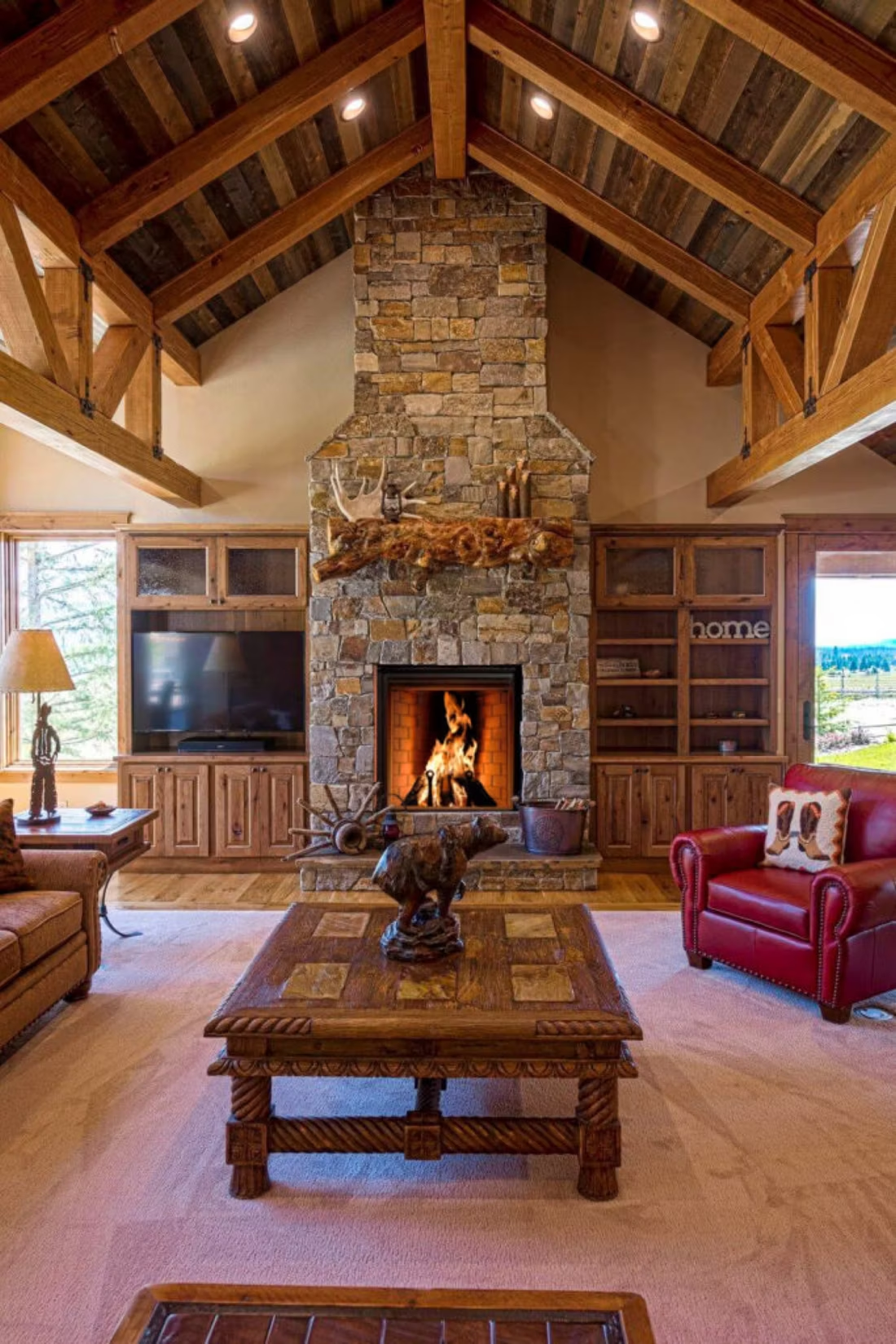
Four fuels. One honest answer for Montgomery County.
Three steps. No salesperson until you're ready.
Tell us about your project
Your zip code, your situation, and the fuel you're leaning toward—or let the answers point you to one.
See what's actually available
The brands dealers within 100 miles genuinely carry—real options, never a catalog mirage.
Get your dealer & Project Guide
A trusted local dealer, plus the free Project Guide & Parts List that names every component of the job.
Frequently Asked Questions
Which fuel works best in Montgomery County?
With an average winter low of 29°F and a shorter heating season than most of the country, no single fuel dominates the way it might in a colder climate. Wood is still common and culturally familiar—oak and pine burn clean and hot, and pecan wood from local orchards is a regional favorite for its aroma, even though the mild winters mean many households use it more for evenings and cold snaps than as a sole heat source. Gas is the low-maintenance option, though most homes here run on propane rather than piped natural gas given the rural setting. Pellet stoves are a solid middle ground—regional brands like Lignetics, Hamer Pellet Fuel, and Greenway Renewable Energy keep fuel reasonably accessible without requiring a woodpile. Electric fireplaces do more real work in a climate like this than they would in International Falls, MN—supplemental heat and ambiance cover a lot of the actual heating need here. Most Montgomery County homes end up mixing fuels: a wood or gas unit for the coldest nights, electric or pellet for everyday use.
Do I need a permit to install a fireplace in Montgomery County?
Generally, yes, for anything involving new venting, gas lines, or structural work—wood stoves, wood inserts, gas fireplaces, gas inserts, and pellet stoves typically require a building permit through the county building department, with a separate gas permit if propane line work is involved. Every new wood stove sold today already meets EPA 2020 NSPS emissions standards regardless of where it's installed, so that part is handled before it reaches your home. Electric fireplaces usually skip the permit process unless you're hardwiring a built-in unit into a new circuit. Because Montgomery County is a small, rural jurisdiction, most local dealers are used to walking the permit through themselves rather than leaving it to the homeowner—worth confirming with whoever you hire.
Are there any wood-burning or air-quality restrictions in Montgomery County?
No—Montgomery County has no non-attainment status and no history of winter burn bans or air-quality advisories, unlike inversion-prone basins out West. The rural, low-density layout and mild climate zone (3A) mean wood smoke doesn't accumulate the way it does in a geographic bowl or a dense urban winter. That said, a properly installed and swept chimney still matters for safety and efficiency—the lack of regulatory pressure isn't a reason to skip annual maintenance.
Can one local hearth retailer handle all four fuel types?
In a county with just over 6,200 residents, the market generally can't support fuel-specialist stores, so most retailers serving Montgomery County carry a mix of wood, gas, pellet, and electric out of a single showroom, usually based in or near Winona. That's actually convenient if you're not sure which fuel fits your home—you can compare a wood insert next to a pellet stove and a gas unit in the same visit rather than driving to three separate towns. For rural addresses out toward Duck Hill or Kilmichael, confirm the retailer's service radius before you commit, since some installation and follow-up work depends on distance from their base.
How does service work for rural parts of the county?
Most chimney sweeps, gas techs, and pellet stove technicians serving Montgomery County are based near Winona and drive out to Duck Hill, Kilmichael, and the farmland in between for annual service and repairs. Given the low population density, expect to schedule ahead rather than get same-week service, especially heading into the first cold stretch of fall. A small trip charge for the more outlying addresses is common. If you're heating with propane, keeping a backup tank scheduled with your supplier matters more out here than in town, since a missed delivery can mean a longer wait for a truck to make the trip back out.
What's the typical cost range for fireplace installation across all fuel types in Montgomery County?
Costs run a bit lower here than in higher cold-climate demand markets, but the fuel-to-fuel spread is similar. Wood stove or insert installation: roughly $3,500–$7,500 depending on chimney condition and whether new venting is needed. Gas fireplace, insert, or stove: roughly $4,000–$9,000, with propane line work adding to the lower end of that range if there's no existing line. Pellet stove or insert: roughly $4,000–$6,500 for a typical install. Electric fireplace: $200–$2,500 for the unit itself, plus $300–$1,000 in labor for anything beyond a simple plug-and-play wall unit. Exact numbers depend on your home and the dealer—the county + fuel pages above break this down further.
Can a fireplace actually lower my heating bill?
Yes—by creating a comfort zone. A furnace heats every square foot of the house just to warm the one room you're in; a gas fireplace on low burns roughly a sixth of the gas a typical furnace does. Set the furnace around 55–60 degrees as a baseline, then heat the rooms your family actually uses. Families who heat this way commonly save $20–$60 a month.
Does a fireplace add value to my home?
On average, a fireplace adds back to the home about the same amount you spent installing it. Add the monthly savings from heating the rooms you actually use instead of the whole house—often hundreds of dollars a year—and the value case is strong before you even count what a fire does for how your family uses the room.
How much should I budget for a fireplace?
For an average home—covering the fireplace, the vent pipe, and basic installation—a budget between $3,900 and $5,500 gives you a lot of options across wood, gas, and pellet. By the time you add finish work, gas line, and electrical, the average complete installation lands between $5,000 and $12,000 all-in. In a remodel or new build, a good rule is to put about 2.5% of the total project cost toward the fireplace.
Should the dealer who sells my fireplace also install it?
Ideally, yes. A fireplace project involves vent pipe, gas line, electrical, and often tile or stone. Hire three or four separate trades and you own the liability and the game of telephone between them. One company selling and installing means one accountable party, start to finish—ask about factory training, on-time completion records, and what happens if an inspection fails.
Stove and Fireplace Dealers in Montgomery County
Listings include WhyFire partner dealers, dealers we have verified as authorized for the brands we recommend, and established local businesses that carry hearth products. Every listing shows which one it is. The ones marked Preferred run on WhyFire's software, so they can show you real pricing and book your appointment right here. No manufacturer pays for placement. How we verify dealers →
Scott Petroleum
Scott's Tri-County Propane
Allen's Of Durant Inc.
Find your fireplace in Montgomery County.
Tell us about your home and we'll match you with a trusted local dealer and send over a free Project Guide & Parts List—the exact parts, including the vent kit, and the dealer we recommend for your Montgomery County project.
Find Your Fireplace →