
Built to Handle the Coldest Winters in Minnesota.
Wood, gas, pellet, and electric fireplace resources for every community around Lake of the Woods—from Baudette and Williams to the Northwest Angle. Find the right unit for a Zone 7 winter and connect with a trusted local hearth retailer.
Every Project Starts From One of These Five Situations
Life at the edge of Minnesota's harshest climate zone.
Lake of the Woods County sits on Minnesota's northern border, wrapped around the vast lake that gives it its name, with the Northwest Angle reachable only by crossing through Canada. With roughly 1,390 residents spread across a county this size, it's one of the least densely populated places in the state—and one of the coldest. The county falls in IECC Climate Zone 7, the same brutal-winter category that gives nearby International Falls its 'Icebox of the Nation' reputation, with stretches of sub-zero cold that can last for weeks. Oak, maple, birch, and aspen are the wood species that keep local stoves fed, and heating season here often starts before Halloween and doesn't let go until May.
What you'll find on this hub: hearth retailers, service technicians, and fuel suppliers covering the county—from Baudette on Highway 11 to Williams, Wilton, Pitt, and the Northwest Angle exclave. Because natural gas mains are limited out here, propane fills the role gas plays elsewhere, alongside wood, pellet, and electric options. Pick your fuel below to see local dealers, real installation costs, and recommended units for a genuinely cold-climate home—whether that's a year-round house in Baudette or a lake cabin near Zippel Bay.
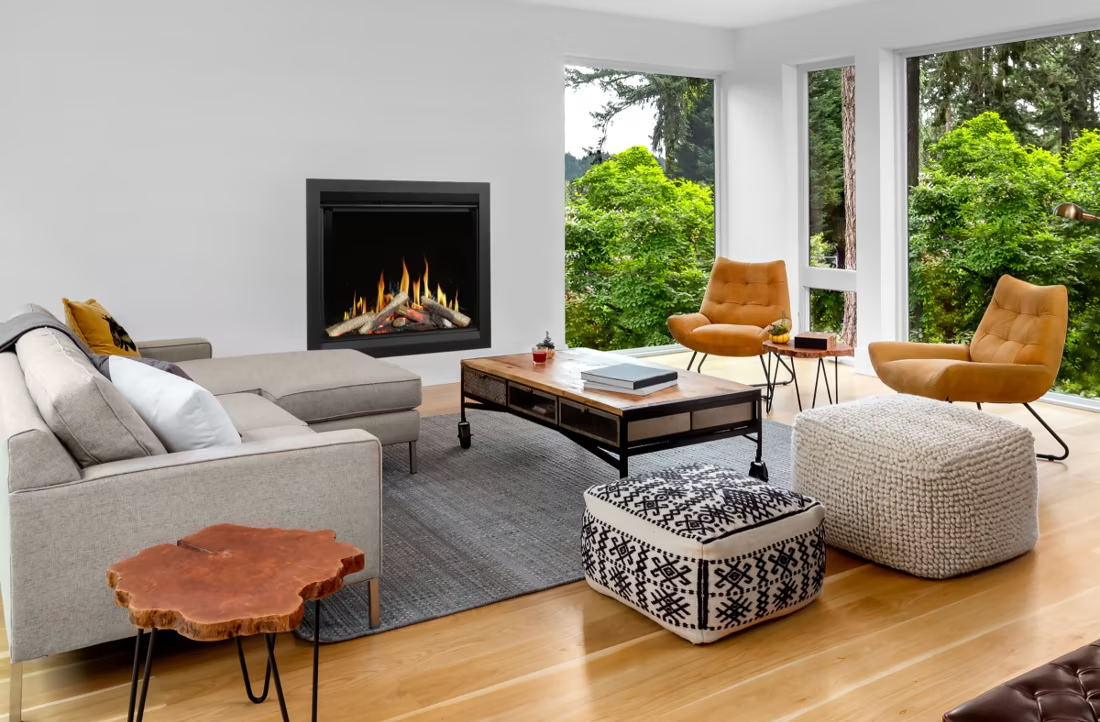
Four fuels. One honest answer for Lake of the Woods County.
Wood
See what's available near Lake of the Woods County.
Find your wood stove →Gas
See what's available near Lake of the Woods County.
Find your gas fireplace →Pellet
See what's available near Lake of the Woods County.
Find your pellet stove →Electric
See what's available near Lake of the Woods County.
Find your electric fireplace →Three steps. No salesperson until you're ready.
Tell us about your project
Your zip code, your situation, and the fuel you're leaning toward—or let the answers point you to one.
See what's actually available
The brands dealers within 100 miles genuinely carry—real options, never a catalog mirage.
Get your dealer & Project Guide
A trusted local dealer, plus the free Project Guide & Parts List that names every component of the job.
Frequently Asked Questions
Which fuel works best in Lake of the Woods County?
Zone 7 winters here are unforgiving, so the honest answer is 'whichever fuel you can keep supplied reliably during a multi-week cold stretch.' Wood remains a strong primary choice—oak and maple burn long and hot, birch and aspen are widely available for kindling and shoulder-season heat, and a wood stove keeps working if the power goes out, which matters this far from the grid's center. Propane is the practical stand-in for natural gas since piped gas service is limited out here; propane fireplaces and inserts give instant, thermostatic heat without a woodpile. Pellet stoves are a solid middle path—Indeck Energy Services, Lignetics, and Somerset Pellet Fuel all supply this region—though they do need electricity to run the auger and blower. Electric fireplaces work fine as supplemental heat in bedrooms or cabins but shouldn't be counted on as your only heat source through a Lake of the Woods winter. Most year-round homes here end up running wood or propane as primary, with pellet or electric filling in specific rooms.
Do I need a permit to install a fireplace in Lake of the Woods County?
In most cases, yes. New wood stoves, wood inserts, propane fireplaces, propane inserts, and pellet stoves typically require a building permit through the county building/zoning office, and current EPA-certified units are the standard for new wood installs. Propane installations also require licensed gas-fitter work for the tank connection and line—this isn't a DIY step given the pressures and cold-weather reliability concerns involved. Electric fireplaces generally skip the permit process unless you're hardwiring a built-in unit into a new circuit. Given how spread out this county is, most local hearth retailers handle the permit paperwork directly as part of the installation, which saves a trip to town.
Are there air quality restrictions on wood burning in Lake of the Woods County?
No—unlike basin or urban counties that deal with winter inversion smoke, Lake of the Woods County has no air quality non-attainment designations or burn curtailment programs. The population density is low enough, and the terrain open enough, that wood smoke isn't a community-scale concern here. That said, an EPA-certified stove still burns your oak and maple more efficiently, which matters practically: less firewood needed per winter, less chimney buildup, and fewer trips out to the woodpile during a January cold snap.
Can one local hearth retailer handle all four fuel types?
Given the county's small population, the retailer footprint is naturally lean, and not every dealer stocks all four fuels in-store. Some local shops focus on wood and propane—the two dominant fuels here—while carrying a smaller pellet stove lineup and electric units mostly by special order. If you want to compare all four fuel types side by side with working displays, you may need to widen your search toward a larger hub like Bemidji or International Falls; the fuel-specific pages above note exactly which fuels each listed retailer carries so you're not guessing before you drive.
How does service work in such a remote part of Minnesota?
Technicians serving Lake of the Woods County often cover Baudette, Williams, the Northwest Angle, and the lake's outlying resorts and cabins on a single route, so scheduling ahead matters more than it would in a denser county. Fall (September–October) is the best window to book chimney sweeps and propane inspections, before the lake starts icing over and ice-fishing season pulls attention elsewhere. Expect a modest travel charge for the more remote lake properties and the Northwest Angle specifically, since reaching it involves crossing into and back out of Canada. If you're heating a seasonal cabin, plan your service call around your travel schedule—winter access to some lake properties depends on plowed roads or ice roads.
What's the typical cost range for fireplace installation across all fuel types in Lake of the Woods County?
Costs run broadly in line with rural Minnesota pricing, with a modest premium for travel distance on the more remote lake and Angle properties. Wood stove or insert installation: roughly $4,000–$8,500 for a typical install, more if new chimney work is needed for a cabin without existing venting. Propane fireplace, insert, or stove: roughly $4,000–$10,000 depending on tank setup and line work, since most homes here aren't on piped gas. Pellet stove or insert: roughly $4,000–$7,000. Electric fireplace: $200–$3,000 for the unit itself, plus $400–$1,200 in labor for anything beyond a plug-and-play install. The fuel-specific pages above break these down further by local retailer.
Can a fireplace actually lower my heating bill?
Yes—by creating a comfort zone. A furnace heats every square foot of the house just to warm the one room you're in; a gas fireplace on low burns roughly a sixth of the gas a typical furnace does. Set the furnace around 55–60 degrees as a baseline, then heat the rooms your family actually uses. Families who heat this way commonly save $20–$60 a month.
Does a fireplace add value to my home?
On average, a fireplace adds back to the home about the same amount you spent installing it. Add the monthly savings from heating the rooms you actually use instead of the whole house—often hundreds of dollars a year—and the value case is strong before you even count what a fire does for how your family uses the room.
Can I install a fireplace myself?
If you're putting a fire in your house on purpose, it's best to work with an expert. Unless you're genuinely experienced in framing, gas line, vent pipe, and the national code on clearances to combustibles, have a professional do it—and ideally the same company that sells you the fireplace, so warranty, service, and liability all live under one roof.
What is an in-home preview and do I need one?
It's a visit where a hearth professional measures your space, confirms the model you picked actually works in your home, and walks the specs—framing, gas line, venting, finish work—before anything is ordered. Some details you just can't know until you see the house. Never make a down payment without one; it's the single most-skipped step that burns buyers.
Stove and Fireplace Dealers in Lake of the Woods County
Listings include WhyFire partner dealers, dealers we have verified as authorized for the brands we recommend, and established local businesses that carry hearth products. Every listing shows which one it is. The ones marked Preferred run on WhyFire's software, so they can show you real pricing and book your appointment right here. No manufacturer pays for placement. How we verify dealers →
Marvin Home Center
Geroy's Home & Appliance
Find your fireplace project in Lake of the Woods County.
Tell us about your home and we'll match you with a trusted local dealer and send over a free Project Guide & Parts List—the exact parts, vent kit included, and a recommended installer for your fuel and your winter.
Find Your Fireplace →