
Steady, automated heat for winters that average -22.6°C.
Ile des Chênes sits in the Winnipeg Region at 236 metres of elevation, where winter lows sink to -22.6°C most years. I'll match you with a trusted local dealer who can size a pellet stove or insert for genuine backup heat, not just ambiance, and hand you a free planning packet before you spend a dollar.
Every Project Starts From One of These Five Situations
Convenient heat that still needs a backup plan.
At 236 metres of elevation in Manitoba's Winnipeg Region, Ile des Chênes shares the same brutal winter pattern as Winnipeg itself, just 25 kilometres north: an average winter low of -22.6°C, with cold snaps that can rival Regina or Saskatoon for sheer duration. Manitoba Hydro's residential electricity rates are among the lowest in Canada at roughly 10.3 cents per kilowatt-hour, which keeps baseboard and forced-air electric heat affordable most of the year. The trouble is what happens when a prairie ice storm or blizzard knocks out the grid for a day or two—and in this part of Manitoba, that's not a hypothetical.
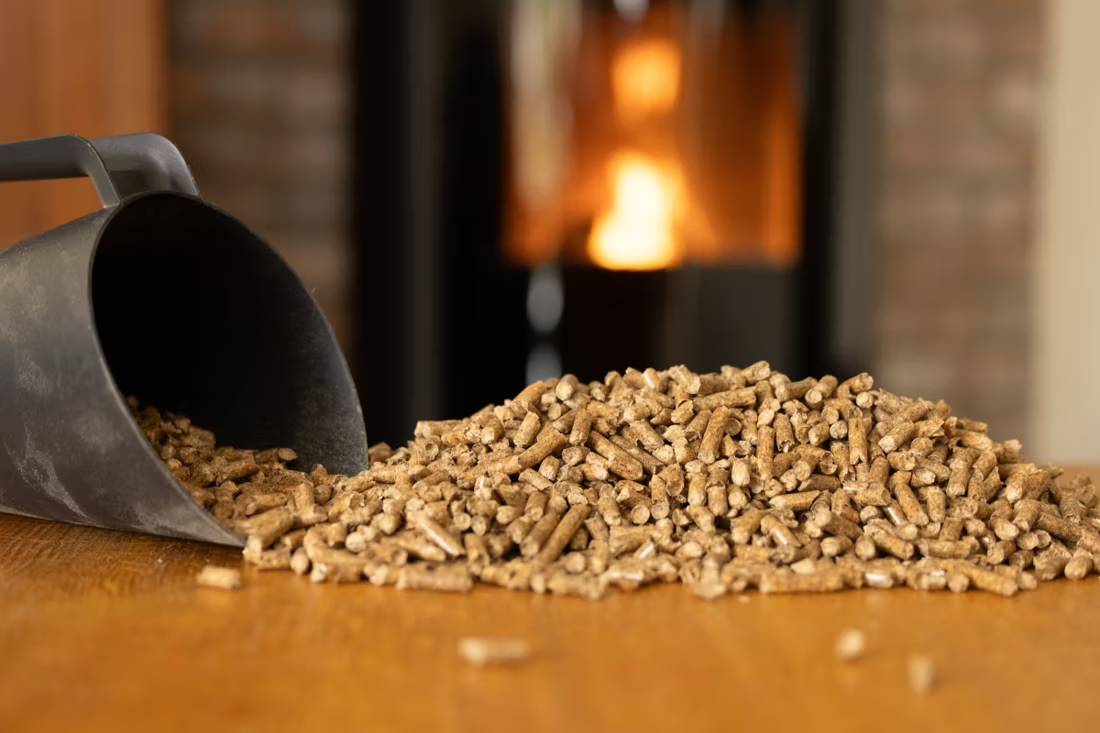
That's the gap a pellet stove or insert fills for a lot of households here. It burns cleaner and needs less daily attention than a cordwood stove split from the trembling aspen, paper birch, bur oak, or black ash that fill the bush lots around town, and it's available through regional suppliers like La Crete Sawmills and Spruce Products at roughly $400 to $575 a tonne. The honest tradeoff: a pellet stove's auger and blower run on household current, so it won't help during a multi-day outage unless it's paired with a small backup power source—something a good local dealer will walk you through rather than gloss over.
Three steps. No salesperson until you're ready.
Tell us about your project
Your postal code, your situation, and the fuel you're leaning toward—or let the answers point you to one.
See what's actually available
The brands dealers within 100 miles genuinely carry—real options, never a catalog mirage.
Get your dealer & Project Guide
A trusted local dealer, plus the free Project Guide & Parts List that names every component of the job.
Frequently Asked Questions
How much does a pellet stove installation cost in Ile des Chênes?
Most installs land between $6,000 and $10,000 CAD, similar to other homes across the Winnipeg Region. A freestanding pellet stove venting through an exterior wall near an existing electrical outlet sits toward the lower end. A full pellet insert replacing an old wood-burning fireplace, with a liner run up the existing chase and a dedicated circuit added for the hopper motor, pushes toward the top. Either way you'll need a permit through your municipal building department—for Ile des Chênes that's the RM of Ritchot—and the installation has to meet CSA B365 code.
What size pellet stove do I need for a home near Ile des Chênes?
With winter lows averaging -22.6°C and stretches that go colder, undersizing is the bigger risk. A stove rated for 1,000 to 1,500 square feet works fine as supplemental heat in a well-insulated bungalow, but if you're leaning on it as a primary or near-primary source through a long prairie winter, most local dealers step up to a unit in the 1,800 to 2,200 square foot range with a larger hopper—40 to 60 pounds—so it can run 24 hours or more between refills on the coldest nights.
Do I need a permit to install a pellet stove in Ile des Chênes?
Yes. New installations go through your municipal building department—the RM of Ritchot handles permits for Ile des Chênes—and the work needs to follow CSA B365 installation code. Most insurers in Manitoba also want a WETT inspection on file for any solid-fuel appliance, pellet stoves included, before they'll write or renew a policy. A dealer who installs pellet units regularly in the Winnipeg Region will typically arrange both the permit and the WETT sign-off as part of the job.
What's the difference between a pellet stove and a pellet insert?
A freestanding pellet stove sits on its own hearth pad and vents through a wall with small-diameter pipe, which makes it a straightforward option for a home without an existing chimney—common in some of the newer builds around Ile des Chênes. A pellet insert slides into an existing masonry or factory-built fireplace opening and uses that structure for its shell, which suits the older farmhouses in the area that already have a wood fireplace they want to retire. Inserts generally land near the lower half of the $6,000-$10,000 range since less new venting is involved.
Where do I buy pellets near Ile des Chênes, and what do they cost?
Regional mills like La Crete Sawmills and Spruce Products supply most of the bagged fuel sold through Manitoba hearth dealers, typically running $400 to $575 a tonne depending on the season and how early you buy. Buying a season's supply in late summer, before the first cold snap drives up demand, is the standard local move. Pellets need to stay dry, so a lot of households here store bags in a garage or shed on pallets rather than directly on a concrete floor, which pulls moisture into the bags over a Manitoba winter.
What's the best pellet stove for a climate like this?
For a winter that regularly sits well below -20°C, look at models from brands like Harman or Enviro with a larger hopper capacity—40 pounds or more—so the stove can run through the night without a refill. A thermostat-controlled unit with a reliable auger feed matters more here than in milder parts of the country, since a stove that struggles to keep up on the coldest nights defeats the point of switching from wood. Your local dealer will also want to know whether you're running it as sole heat or backup, since that changes the sizing and hopper recommendation.
How much maintenance does a pellet stove need?
Plan on emptying the ash pan every few days during steady winter use and doing a deeper burn-pot and glass cleaning weekly. A full professional service—checking the auger, exhaust blower, and venting—is worth doing once a year, usually in late summer, and typically runs $150 to $250. It's a lighter lift than sweeping a wood chimney, but skipping it on a stove running daily through a five-to-six-month Manitoba heating season is how a jammed auger or a dirty igniter shows up on the coldest week of January.
Are there rebates available for pellet stoves in Manitoba?
Efficiency Manitoba doesn't currently run a dedicated pellet stove rebate the way it does for insulation or heat pumps, so most of the savings here come from the fuel side rather than the purchase side—pellets remain cheaper per unit of heat than propane and often competitive with electric resistance heat given Manitoba Hydro's low rates. It's worth asking your dealer directly, though, since manufacturer promotions and financing offers do come and go seasonally.
Pellet stove vs. wood stove—which makes more sense in Ile des Chênes?
Wood wins on pure outage resilience: a cordwood stove burning local trembling aspen, birch, or bur oak needs nothing but a match, which matters given how often prairie blizzards take down power lines in this part of Manitoba. Pellet stoves win on convenience and cleaner, more consistent heat output, but the auger and blower need household current, so a pellet-only home is vulnerable during exactly the kind of extended outage that -22.6°C weather tends to cause. A fair number of households in the Winnipeg Region split the difference—pellet for daily comfort, with a small generator or battery backup on hand, or a wood stove kept in reserve elsewhere in the house.
Why do fireplace quotes vary so much?
Because a fireplace is an iceberg—there's more behind the wall than in front of it. A low quote often covers only the unit; the full scope includes vent pipe, gas line or electrical, framing, and the tile or stone that has to come off and go back on. Make every bidder price the whole job. If a dealer can't speak to the full scope with confidence, that's your signal to keep looking.
Is it worth replacing an old fireplace that still sort of works?
Ask three questions: Is it ugly? Is it drafty? Does it actually work? Most old fireplaces fail at least two. Beyond looks, an old unit leaks air around the damper year-round and—if it's gas with a standing pilot—quietly burns a couple hundred dollars a year. A modern replacement seals the wall, heats the room, and changes how the whole space gets used.
Why is a fireplace insert so efficient?
An insert does two things: it seals the chimney completely, so you stop losing air you already paid to heat, and it radiates warmth into the room through the firebox and glass. Most add a heat-exchange fan that pulls cool room air underneath, wraps it around the hot firebox, and pushes it back out warm. Your home is more efficient before you've even lit the first fire.
What should I look for in pellet stove design?
Three things separate the field: how easy the burn pot is to clean (trapdoor designs let the ash drop straight into the pan), how the auger moves pellets (top-mounted augers that pull instead of push jam less and wear slower), and diagnostics (self-diagnosing control boards tell you exactly which part needs attention instead of leaving you guessing). Heat output is table stakes—livability is in these details.
Nearby Dealers
Hearth shops serving Ile des Chênes and the surrounding area. Every listing shows whether it is a WhyFire partner, a dealer we have verified as authorized for the brands we recommend, or a local business carrying hearth products. No manufacturer pays for placement. How we verify dealers →
TimberStone Distribution Winnipeg
Springhill Lumber Wholesale Ltd
Mantario Chimney
National Energy Equipment Inc.
McMunn & Yates Building Supply
Mbm Plumbing Services
C-Pex Plumbing
Pellet Brands Stocked Around Ile des Chênes
Typical price runs $400-$575 per ton—buy early-season for the best rates. Manufacturers will point you to the nearest stocking dealer.
La Crete Sawmills
Spruce Products
Get your free Project Guide & Parts List for an Ile des Chênes pellet project.
Tell me about your home and whether you're leaning toward a freestanding stove or an insert, and I'll match you with a trusted local dealer and send a free Project Guide & Parts List with the exact vent kit and parts your project needs.
Find Your Fireplace →