
Heat Your Lincoln County Home Right, Fuel by Fuel.
Wood, gas, pellet, and electric fireplace resources for Stanford, Hustonville, Waynesburg, Crab Orchard, and every rural community in Lincoln County. Find the right unit for your home and get matched with a local hearth retailer who can actually install it.
Every Project Starts From One of These Five Situations
Bluegrass region heating in Lincoln County, Kentucky.
Lincoln County sits in the rolling Bluegrass hill country of central Kentucky, with Daniel Boone National Forest land reaching into the county's eastern edge. With a winter heating load comparable to many Mid-South counties and average winter lows near 23°F, the climate here is meaningfully milder than northern cold-climate hubs like Burlington, VT or Duluth, MN—but still cold enough for a real heating season that runs roughly October through April. Oak, hickory, maple, and cherry are the dominant species in local woodlots, and with a population of just over 5,000 spread across mostly rural land, wood heat has stayed a practical, everyday choice here rather than a novelty—many households still split their own firewood or buy it from a neighbor.
On this hub you'll find hearth retailers, service technicians, and fuel suppliers covering Lincoln County—Stanford, the county seat, along with Hustonville, Waynesburg, Crab Orchard, and the surrounding rural routes. Because the county is small, some of the dealers and technicians serving these towns are based in nearby Danville or Somerset and drive in for installs and service calls. Pick your fuel below to see local pricing, recommended units, and dealers who can get the permits and venting done correctly the first time.
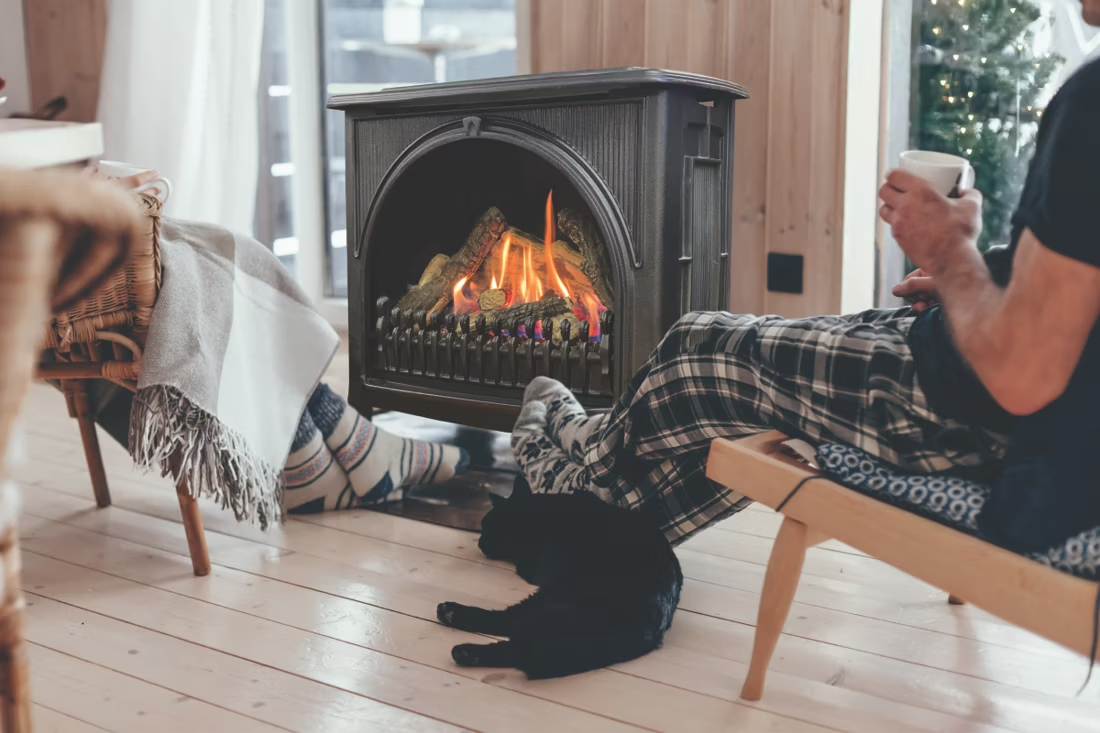
Four fuels. One honest answer for Lincoln County.
Three steps. No salesperson until you're ready.
Tell us about your project
Your zip code, your situation, and the fuel you're leaning toward—or let the answers point you to one.
See what's actually available
The brands dealers within 100 miles genuinely carry—real options, never a catalog mirage.
Get your dealer & Project Guide
A trusted local dealer, plus the free Project Guide & Parts List that names every component of the job.
Frequently Asked Questions
Which fuel works best for a home in Lincoln County?
It depends on the home and how hands-on you want to be. Wood remains a strong, practical choice here—oak and hickory from local woodlots burn long and hot, and Daniel Boone National Forest issues personal-use firewood permits for residents who want to cut their own. Propane is the realistic gas option for most rural Lincoln County addresses, since piped natural gas service is limited outside the immediate Stanford area; propane fireplaces and inserts give you instant heat without the wood handling. Pellet stoves are a solid middle ground—Lignetics and the Kentucky-made Hamer Pellet Fuel brand keep bags reasonably accessible locally, and you get wood-like ambiance without splitting or stacking. Electric fireplaces work well as supplemental heat for a bedroom, sunroom, or finished basement, but with winter lows averaging 23°F, they're not a realistic whole-home primary heater here. Many Lincoln County households actually run two fuels—wood or pellet for the main living space, propane or electric in secondary rooms.
Do I need a permit to install a fireplace in Lincoln County?
Generally yes, for anything beyond a plug-in electric unit. New wood stoves, wood inserts, gas fireplaces, gas inserts, and pellet stoves typically require a building permit through the local building department, and gas installations also need a licensed gas-fitter for the line and connection work. If you're planning to cut your own firewood rather than buy it, note that permits for personal-use cutting on Daniel Boone National Forest land are a separate matter from your home installation permit—check with the district office before you head out with a chainsaw. Most hearth retailers serving Lincoln County handle the installation permitting themselves as part of the job, so you typically aren't filing paperwork on your own.
Are there any air quality or burning restrictions in Lincoln County?
No, Lincoln County doesn't have the winter inversion or non-attainment issues that trigger burn bans or voluntary curtailment advisories in some other regions. That said, choosing an EPA-certified wood or pellet stove is still worth doing—modern catalytic and non-catalytic units burn oak and hickory more completely, which means less creosote buildup, fewer chimney fires, and noticeably less smoke drifting toward your neighbor's porch, even without a regulatory requirement pushing you toward it.
Can one local hearth retailer handle all four fuel types in Lincoln County?
Given the county's small population, most dealers who actively cover Lincoln County are based a short drive away in Danville or Somerset and carry a mix of fuels rather than specializing in just one. It's worth asking directly which fuels a given retailer stocks and installs regularly versus occasionally—a shop that mainly moves propane inserts may only handle wood stove installs a few times a season, which matters if you want someone with deep, current experience venting a masonry chimney or sizing a catalytic stove for this climate.
How does service and installation work if I'm out past Hustonville or Crab Orchard?
Expect your installer or chimney sweep to be driving in from Stanford, Danville, or Somerset rather than working out of a shop down the road. That's normal for a county this size, but it means scheduling matters more—book your annual chimney sweep or gas appliance inspection in late summer or early fall before the pre-winter rush, and ask up front whether a rural trip fee applies for addresses well outside Stanford. If you're heating with wood as a backup during winter storms (common in this part of Kentucky when ice takes down power lines), keep a few rounds of seasoned oak or hickory on hand year-round rather than trying to source dry wood in a cold snap.
What's the typical cost range for fireplace installation across fuel types in Lincoln County?
Wood stove or insert installation: roughly $4,000–$8,500 for a typical install, more if new chimney or hearth-pad work is needed. Gas fireplace, insert, or stove: roughly $4,000–$9,500, with propane conversions often on the lower end if a tank and line are already in place. Pellet stove or insert: roughly $4,000–$7,000 for a standard install. Electric fireplace: $200–$2,500 for the unit itself, plus $300–$1,000 in labor for anything beyond a simple plug-and-play placement. Rural travel and permitting can shift these numbers slightly compared to a more urban Kentucky market—your matched local dealer will give you an exact quote for your address.
What is an in-home preview and do I need one?
It's a visit where a hearth professional measures your space, confirms the model you picked actually works in your home, and walks the specs—framing, gas line, venting, finish work—before anything is ordered. Some details you just can't know until you see the house. Never make a down payment without one; it's the single most-skipped step that burns buyers.
Can a fireplace actually lower my heating bill?
Yes—by creating a comfort zone. A furnace heats every square foot of the house just to warm the one room you're in; a gas fireplace on low burns roughly a sixth of the gas a typical furnace does. Set the furnace around 55–60 degrees as a baseline, then heat the rooms your family actually uses. Families who heat this way commonly save $20–$60 a month.
I know I want a fireplace—where do I actually start?
Do two things today: snap a photo of the wall or fireplace you want to transform, and take a tape measure to the space—width, height, depth. Those two artifacts answer most of a hearth professional's first questions. Then settle fuel (wood, gas, pellet, or electric) and set a realistic budget: $3,900–$5,500 covers fireplace, vent, and basic install for most homes.
Wood, gas, pellet, or electric—how do I choose?
Match the fuel to your life, not the other way around. Wood: lowest fuel cost and total power-outage independence, but you're hauling and stacking. Gas: press a button, set a thermostat, no maintenance to speak of. Pellet: wood economics with automatic feeding, in exchange for weekly cleaning and a need for electricity. Electric: plugs in anywhere with honest supplemental heat. Nobody regrets the fuel that fits how they actually live.
Stove and Fireplace Dealers in Lincoln County
Listings include WhyFire partner dealers, dealers we have verified as authorized for the brands we recommend, and established local businesses that carry hearth products. Every listing shows which one it is. The ones marked Preferred run on WhyFire's software, so they can show you real pricing and book your appointment right here. No manufacturer pays for placement. How we verify dealers →
Barnhill Chimney Company
Dowell Furniture Co.
Custom Fireplaces & Woodworking
Area – Somerset, Ky
Southside Electric & Lighting
Wood Energy Warehouse
Housewarmings
Hardy Gas Company Inc.
D & J True Value Hardware
Find the Right Fireplace for Your Lincoln County Home.
Pick your fuel below and we'll match you with a trusted local dealer and send over a free Project Guide & Parts List—the exact parts, vent kit, and recommended installer for your Lincoln County project.
Find Your Fireplace →