
Wood, gas, pellet, or electric—heat that fits Green County, Kentucky.
With oak and hickory woodlots on nearly every farm and winters that average lows near 26°F, Green County heats with everything from split firewood to stoves to propane inserts. We'll help you match the right fuel to your home and connect you with a trusted local dealer.
Every Project Starts From One of These Five Situations
Rolling farmland and hardwood country in south-central Kentucky.
Green County is small—about 2,673 residents spread across rolling farmland and hardwood timber stands centered on the county seat of Greensburg. Winters here are moderate by national standards: an average low of 26°F and a moderate winter heating load, nowhere near the much heavier heating load you'd see in a place like Duluth, Minnesota, but still enough to make a working heat source matter for five or six months a year. Oak, hickory, maple, and cherry—cut from farm woodlots and local timber—are the firewood species you'll find split and stacked behind most houses in the county.
Because Green County is so lightly populated, it doesn't support a large number of dedicated hearth showrooms on its own. Most of the retailers, technicians, and suppliers serving local homes are based in nearby regional hubs—Campbellsville, Glasgow, or Elizabethtown—and travel into the county for consultations, installs, and annual service. This hub rolls up what's actually available across wood, gas, pellet, and electric for Green County residents. Pick your fuel below to see local dealers, typical installation costs, and the resources that match your project—whether you're heating a farmhouse outside Summersville or a home in Greensburg proper.
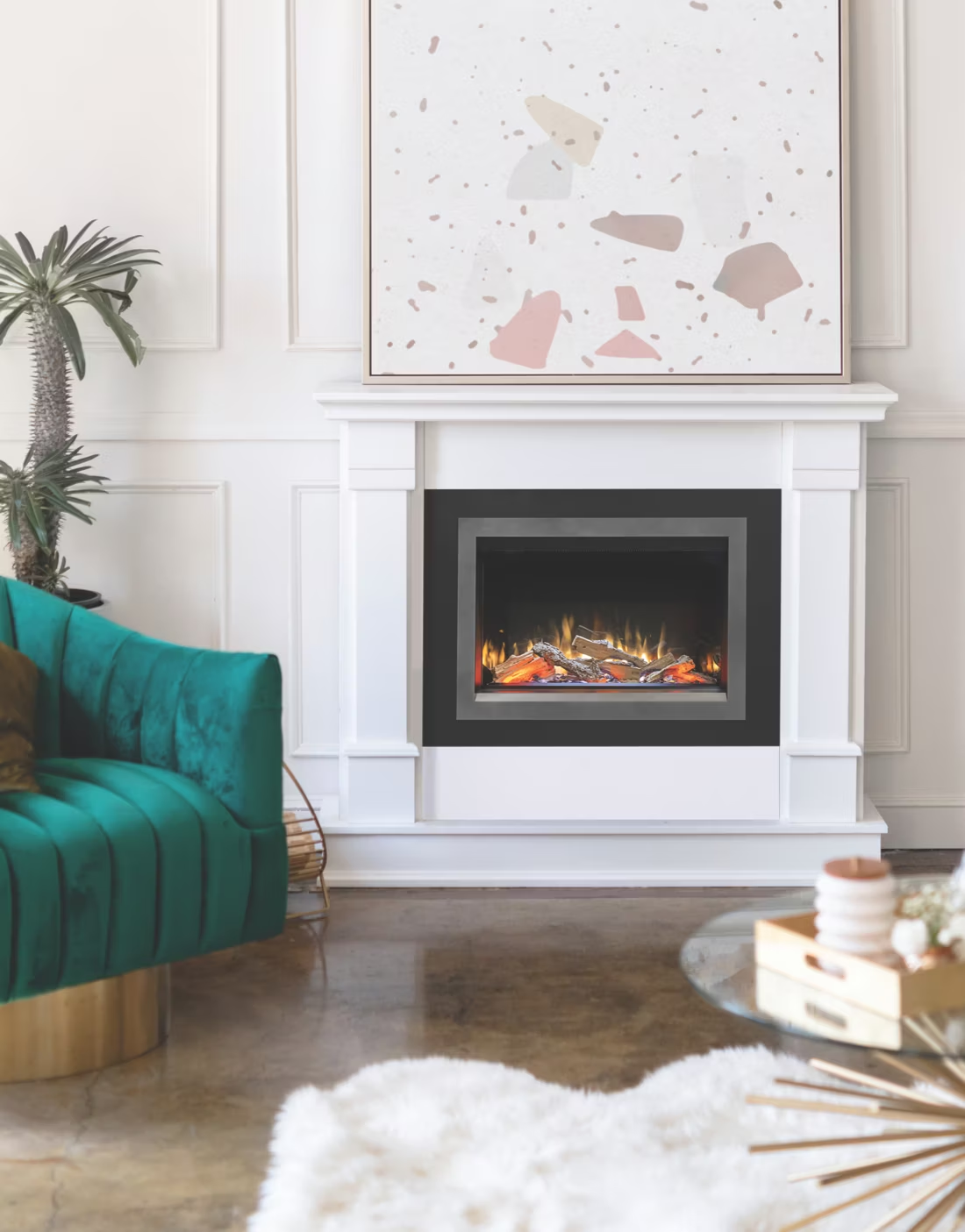
Four fuels. One honest answer for Green County.
Three steps. No salesperson until you're ready.
Tell us about your project
Your zip code, your situation, and the fuel you're leaning toward—or let the answers point you to one.
See what's actually available
The brands dealers within 100 miles genuinely carry—real options, never a catalog mirage.
Get your dealer & Project Guide
A trusted local dealer, plus the free Project Guide & Parts List that names every component of the job.
Frequently Asked Questions
Which fuel works best in Green County?
It comes down to what your home already has and how hands-on you want to be. Wood is a natural fit here—oak, hickory, maple, and cherry are the firewood species most Green County households already have access to from farm woodlots, and a good stove can carry a house through the coldest stretch of a Kentucky winter without much trouble. Gas, in most of the county, means propane rather than piped natural gas, since rural service like this rarely has gas mains running to every farmhouse—propane inserts and stoves give you push-button heat without a chimney to tend. Pellet stoves are a solid middle ground, and regional brands like Lignetics, Hamer Pellet Fuel, and Greenway Renewable Energy keep fuel reasonably easy to source. Electric fireplaces work well as supplemental heat in bedrooms or additions—with winter lows averaging around 26°F rather than single digits, electric can actually carry more of the load here than it could in a colder climate.
Do I need a permit to install a fireplace in Green County?
Most likely, yes, though Green County doesn't run a large standalone building department the way bigger counties do—permitting for new wood stoves, inserts, gas appliances, and pellet stoves typically goes through the county's building official or the Green County Fiscal Court, depending on the type of work. Gas line work also generally requires a licensed installer regardless of the county permit. In practice, most local hearth retailers and installers pull the necessary permits as part of the installation, so you usually don't have to navigate it alone—worth confirming with whichever dealer you're working with before the job starts.
Are there air quality restrictions on wood burning in Green County?
No—Green County doesn't have any documented air quality nonattainment status or winter burn-ban history, unlike basin or valley areas prone to temperature inversions. That means you won't run into voluntary or mandatory no-burn days here. New wood stove installations still need to meet current EPA emissions standards, which most stoves sold by legitimate dealers already do, but day-to-day burning in Green County isn't subject to the kind of advisory restrictions you'd see in a smoke-prone western valley.
Can one local hearth retailer handle all four fuel types?
Possibly, but given how small Green County is on its own, you're more likely to find that multi-fuel dealer based in a nearby regional hub like Campbellsville or Glasgow rather than in Greensburg itself. Larger dealers in those towns commonly stock wood, gas, and pellet units side by side, with electric fireplaces as a smaller add-on line. If you're trying to compare fuels in person before deciding, it's worth checking dealers in those neighboring counties—they're the ones set up to show working displays across multiple fuel types.
How does service work in rural parts of Green County?
Because the county is mostly farmland and rural routes outside Greensburg, most chimney sweeps and gas techs are based in Taylor or Barren County and drive in for appointments. Expect to schedule a bit further ahead than you would in a denser area, and don't be surprised by a modest trip fee for farms and homes well off the main roads. Late summer and early fall—before the first cold snap—is the easiest window to get an annual sweep or inspection scheduled; waiting until the first hard freeze usually means a longer wait for a service slot.
What's the typical cost range for fireplace installation across all fuel types in Green County?
Costs in this part of Kentucky tend to run below national averages, but ranges still vary a lot by fuel. Wood stove or insert installation: roughly $3,500–$7,500 for a typical setup, more if new chimney or hearth work is needed. Propane fireplace, insert, or stove: roughly $3,500–$8,500 depending on tank setup and venting, since most homes here run on propane rather than piped gas. Pellet stove or insert: roughly $3,500–$6,000 for a standard install. Electric fireplace: $200–$2,500 for the unit itself, plus $300–$1,000 in labor for anything beyond a simple plug-in unit. Exact numbers depend on your home and which dealer handles the install—the county + fuel pages above break this down further.
What is an in-home preview and do I need one?
It's a visit where a hearth professional measures your space, confirms the model you picked actually works in your home, and walks the specs—framing, gas line, venting, finish work—before anything is ordered. Some details you just can't know until you see the house. Never make a down payment without one; it's the single most-skipped step that burns buyers.
Wood, gas, pellet, or electric—how do I choose?
Match the fuel to your life, not the other way around. Wood: lowest fuel cost and total power-outage independence, but you're hauling and stacking. Gas: press a button, set a thermostat, no maintenance to speak of. Pellet: wood economics with automatic feeding, in exchange for weekly cleaning and a need for electricity. Electric: plugs in anywhere with honest supplemental heat. Nobody regrets the fuel that fits how they actually live.
How much should I budget for a fireplace?
For an average home—covering the fireplace, the vent pipe, and basic installation—a budget between $3,900 and $5,500 gives you a lot of options across wood, gas, and pellet. By the time you add finish work, gas line, and electrical, the average complete installation lands between $5,000 and $12,000 all-in. In a remodel or new build, a good rule is to put about 2.5% of the total project cost toward the fireplace.
Does a fireplace add value to my home?
On average, a fireplace adds back to the home about the same amount you spent installing it. Add the monthly savings from heating the rooms you actually use instead of the whole house—often hundreds of dollars a year—and the value case is strong before you even count what a fire does for how your family uses the room.
Stove and Fireplace Dealers in Green County
Listings include WhyFire partner dealers, dealers we have verified as authorized for the brands we recommend, and established local businesses that carry hearth products. Every listing shows which one it is. The ones marked Preferred run on WhyFire's software, so they can show you real pricing and book your appointment right here. No manufacturer pays for placement. How we verify dealers →
Custom Fireplaces & Woodworking
Farmer's Energy Propane Plus
Dowell Furniture Co.
Find the right hearth for your Green County home.
Pick your fuel below and we'll match you with a trusted local dealer and send over a free Project Guide & Parts List—a plan for your project with the exact parts, including the vent kit, and the dealer we recommend for your part of the county.
Find Your Fireplace →