
Find a fireplace built for Scott County winters.
Gas and electric fireplace resources for every community in Scott County—from Scott City to Modoc—plus straight talk on wood and pellet options for this High Plains county. Get matched with a trusted local hearth dealer who can actually get the job done here.
Every Project Starts From One of These Five Situations
Windswept prairie heat needs in Scott County, Kansas.
Scott County sits on the High Plains of western Kansas, a wide, open landscape of wheat and sorghum fields with a population of just 4,177. Winters here average a low of 16°F, and the county logs roughly 5,518 heating degree days a year in climate zone 5A—cold enough for a heating season that runs from October into April, though nowhere near as brutal as Fargo, North Dakota's nearly 9,000 HDD. There are no air-quality non-attainment designations or winter burn restrictions on the books for Scott County, so homeowners here have more flexibility on appliance choice than residents of basin cities with inversion problems.
What you won't find much of here: dedicated wood or pellet hearth dealers. Scott County's shelterbelts—planted after the Dust Bowl with hardy species like osage orange, along with native oak and hickory in the county's scattered creek bottoms—supply some homeowners with firewood for occasional burning, but the open-prairie geography never supported the forest industry or big-box wood-stove retail you'd find in timbered parts of the country, and pellet brands like Lignetics and Indeck Energy Services serve regional agricultural and industrial accounts more than residential stove shoppers. Gas (mostly propane, since rural western Kansas runs heavy on tank delivery) and electric fireplaces are the practical, well-supported choices—pick your fuel below, and where wood or pellet is genuinely relevant to your situation, we'll say so plainly.
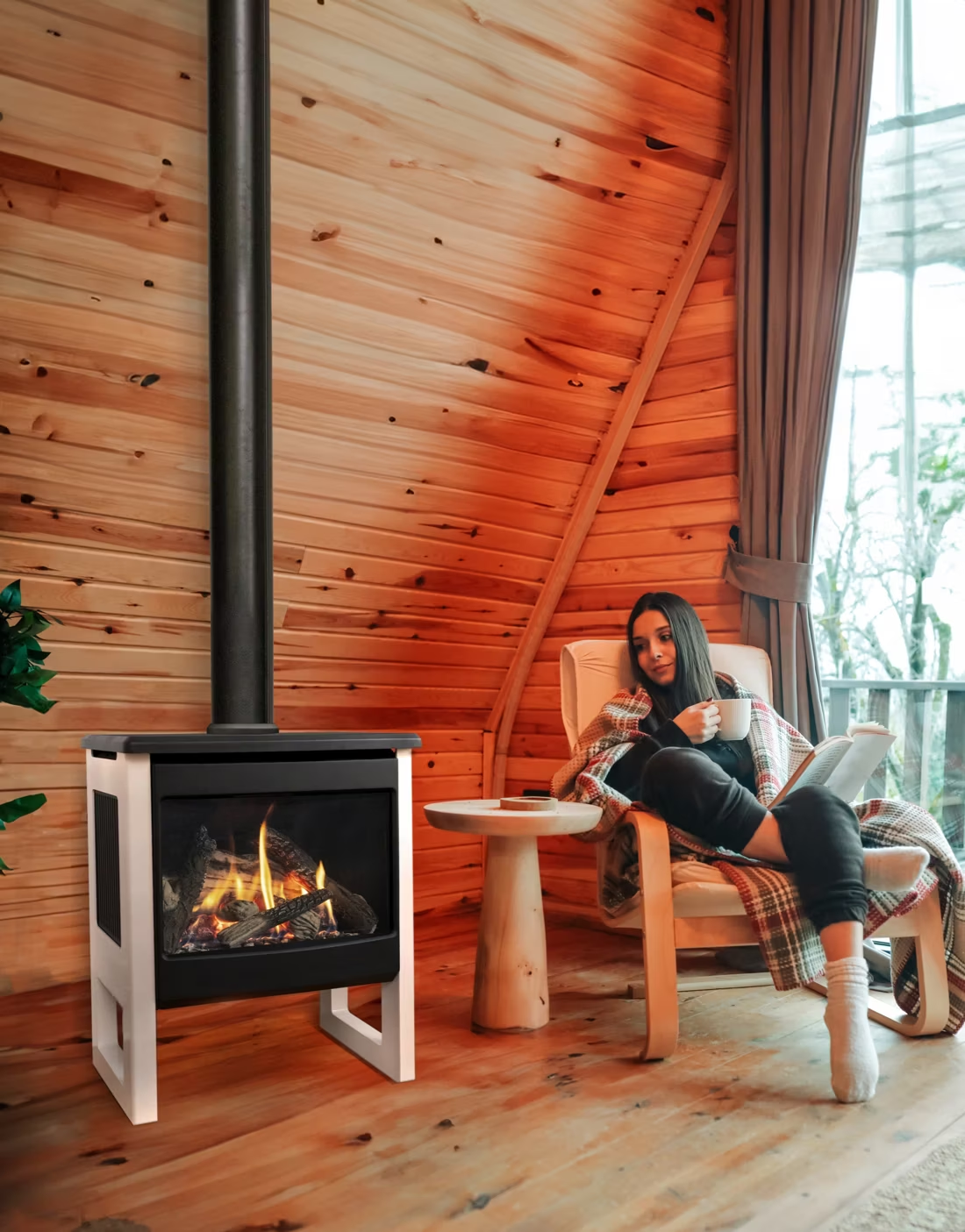
Four fuels. One honest answer for Scott County.
Three steps. No salesperson until you're ready.
Tell us about your project
Your zip code, your situation, and the fuel you're leaning toward—or let the answers point you to one.
See what's actually available
The brands dealers within 100 miles genuinely carry—real options, never a catalog mirage.
Get your dealer & Project Guide
A trusted local dealer, plus the free Project Guide & Parts List that names every component of the job.
Frequently Asked Questions
Which fireplace fuel actually works in Scott County?
Gas and electric are the fuels with real local support. Most Scott County homes run on propane (delivered by tank, since natural gas mains don't reach much of rural western Kansas), so a propane fireplace, insert, or stove is usually the most straightforward install—it works during power outages if you choose a unit with a millivolt or battery-backup ignition system, and propane suppliers already deliver to most farms and acreages in the county. Electric fireplaces are common as supplemental heat in bedrooms, sunrooms, and additions, and work fine on the county's standard grid service. Wood is technically possible—the shelterbelts planted with osage orange after the Dust Bowl, plus native oak and hickory along local creek bottoms, will burn hot and long if you cut your own—but there's no real local wood-stove retail network, so most people who want a wood-burning setup end up special-ordering through a dealer in Garden City or Dodge City. Pellet stoves are rare for the same reason: the regional pellet brands that do serve this area, like Lignetics and Indeck Energy Services, sell mostly into agricultural and industrial accounts, not residential hearth retail.
Do I need a permit to install a fireplace in Scott County?
Most likely, yes, though requirements are simpler here than in larger jurisdictions. New gas fireplace or gas insert installations typically require a building permit plus a gas-line permit if you're running new propane piping, and any electrical work for a built-in electric fireplace (a new circuit, hardwiring) generally needs an electrical permit. Check with your local county or city building office before starting work—a licensed propane installer or electrician working regularly in Scott County will usually already know the process and can pull permits as part of the job.
Are there any wood-burning restrictions in Scott County?
No—Scott County has no air-quality non-attainment designation, no winter inversion advisories, and no burn-ban ordinances on the books, unlike basin or valley communities elsewhere in the country. If you do install a wood stove, you won't run into the seasonal curtailment periods some western states impose. The bigger practical limiter isn't regulation, it's supply and installation support: osage orange, oak, and hickory from local shelterbelts and creek bottoms burn well, but you'll likely be self-supplying fuel and working with a dealer from outside the county rather than a wood-stove specialist based here.
Can one local retailer handle gas, electric, wood, and pellet in Scott County?
Not really, and that's normal for a county this size. Scott County's population of about 4,177 doesn't support a full-service, all-four-fuel hearth showroom. What you'll typically find is a propane or HVAC contractor based in Scott City who handles gas fireplace installs and service, plus electricians who can wire in electric units. For wood or pellet stoves, expect to work with a dealer 50-70 miles out in Garden City or Dodge City who can special-order the unit and travel in for installation—it's a longer lead time, but it's the realistic path if wood or pellet heat matters to your household.
How does fireplace service and installation work in a small rural county like this?
Expect technicians to travel. Propane suppliers already run regular delivery routes through Scott County's farms and acreages, so propane fireplace service often piggybacks on existing tank-delivery relationships. Electricians serving Scott City and Modoc can typically handle electric fireplace wiring without much lead time. For anything wood- or pellet-related, plan further ahead—a dealer coming from Garden City or Dodge City will want to bundle your job with other regional stops, so scheduling in late summer or early fall, before the October-to-April heating season starts, gets you a much easier appointment than a January outage call.
What does fireplace installation cost across fuel types in Scott County?
Propane fireplace, insert, or stove: roughly $4,000-$8,500 installed, with cost driven mostly by whether you're running new gas line from an existing tank versus connecting to an existing line. Electric fireplace: $200-$2,500 for the unit itself, plus $300-$1,000 in labor for anything beyond a plug-and-play wall unit—built-ins with new circuits run toward the higher end. Wood or pellet stove: figure on paying a premium over what you'd see in a timbered part of the country, often $5,500-$10,000+, since the unit typically has to be special-ordered and the installer is traveling in from outside the county. Get an itemized quote before committing—travel and freight can be a bigger line item here than the appliance itself.
Does a fireplace add value to my home?
On average, a fireplace adds back to the home about the same amount you spent installing it. Add the monthly savings from heating the rooms you actually use instead of the whole house—often hundreds of dollars a year—and the value case is strong before you even count what a fire does for how your family uses the room.
What is an in-home preview and do I need one?
It's a visit where a hearth professional measures your space, confirms the model you picked actually works in your home, and walks the specs—framing, gas line, venting, finish work—before anything is ordered. Some details you just can't know until you see the house. Never make a down payment without one; it's the single most-skipped step that burns buyers.
Can I install a fireplace myself?
If you're putting a fire in your house on purpose, it's best to work with an expert. Unless you're genuinely experienced in framing, gas line, vent pipe, and the national code on clearances to combustibles, have a professional do it—and ideally the same company that sells you the fireplace, so warranty, service, and liability all live under one roof.
Wood, gas, pellet, or electric—how do I choose?
Match the fuel to your life, not the other way around. Wood: lowest fuel cost and total power-outage independence, but you're hauling and stacking. Gas: press a button, set a thermostat, no maintenance to speak of. Pellet: wood economics with automatic feeding, in exchange for weekly cleaning and a need for electricity. Electric: plugs in anywhere with honest supplemental heat. Nobody regrets the fuel that fits how they actually live.
Stove and Fireplace Dealers in Scott County
Listings include WhyFire partner dealers, dealers we have verified as authorized for the brands we recommend, and established local businesses that carry hearth products. Every listing shows which one it is. The ones marked Preferred run on WhyFire's software, so they can show you real pricing and book your appointment right here. No manufacturer pays for placement. How we verify dealers →
Premier Homes
Builders FirstSource-Garden City, Ks
Bird's Alternatives
Plains Heating & Air Conditioning
Cheyenne Wells Lumber Co
Get matched with a Scott County hearth dealer.
Tell us about your gas, electric, wood, or pellet project, and we'll match you with a trusted local or regional dealer and send you a free Project Guide & Parts List—sized parts, the right vent kit, and a dealer who can actually get it installed in western Kansas.
Find Your Fireplace →