
Heating options for every home in Pottawatomie County, Kansas.
Wood, gas, pellet, and electric fireplace resources for Westmoreland, Wamego, St. Marys, Onaga, and every other town in the county. Find the right unit and connect with a trusted local hearth retailer—no big-box guesswork, no manufacturer bias.
Every Project Starts From One of These Five Situations
Flint Hills heating across Pottawatomie County, Kansas.
Pottawatomie County sits in Kansas's northern Flint Hills, where the Kansas River corridor and rolling tallgrass prairie shape both the landscape and the wood supply. With average winter lows near 18°F, the heating season here is real—running roughly from late October through March—but it's nowhere near the severity of places like Duluth, MN or Fargo, ND. Local firewood tends to come from bottomland oak and hickory along the creeks, plus osage orange (hedge), the dense, thorny tree planted across the county as windbreaks generations ago. Hedge is notoriously hard to split but burns hotter and longer than almost any other native hardwood, and it's a point of local pride for wood-stove owners who cut their own.
This hub covers hearth retailers, service technicians, and fuel suppliers across the county's towns—Westmoreland, Wamego, St. Marys, Onaga, Havensville, Olsburg, and St. George among them—plus the unincorporated farmsteads and acreages in between. Pick your fuel below for local dealer listings, installation costs, and recommended units. Whether you're heating a Flint Hills farmhouse with a wood stove or adding a gas insert to a home near Wamego, this is the starting point.
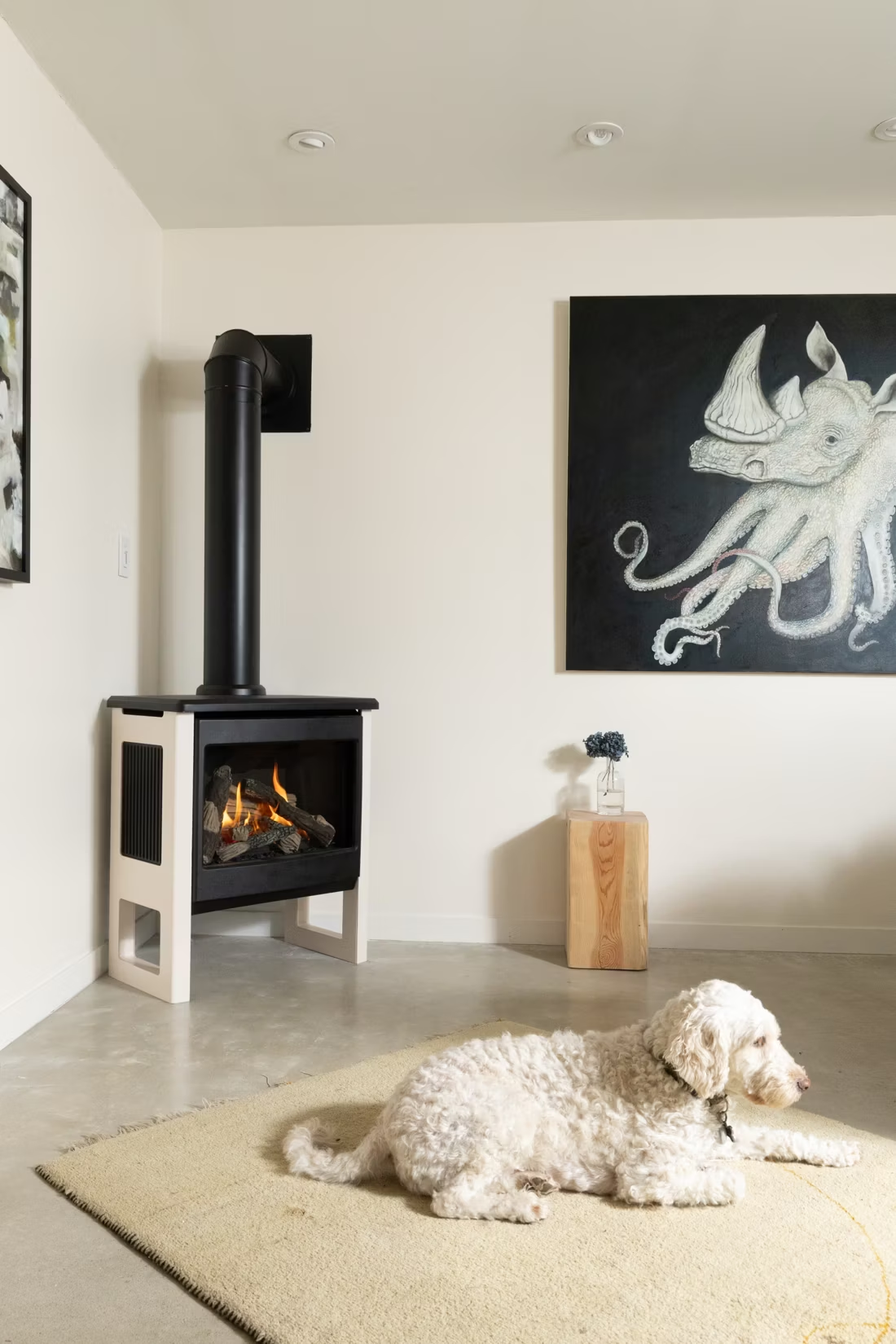
Four fuels. One honest answer for Pottawatomie County.
Wood
77 models available near Pottawatomie County.
Find your wood stove →Gas
358 models available near Pottawatomie County.
Find your gas fireplace →Pellet
See what's available near Pottawatomie County.
Find your pellet stove →Electric
11 models available near Pottawatomie County.
Find your electric fireplace →Three steps. No salesperson until you're ready.
Tell us about your project
Your zip code, your situation, and the fuel you're leaning toward—or let the answers point you to one.
See what's actually available
The brands dealers within 100 miles genuinely carry—real options, never a catalog mirage.
Get your dealer & Project Guide
A trusted local dealer, plus the free Project Guide & Parts List that names every component of the job.
Frequently Asked Questions
Which fireplace fuel works best in Pottawatomie County?
It depends on the home and the wood lot. Wood remains a strong choice in rural Pottawatomie County—oak and hickory from the creek bottoms, plus locally cut osage orange (hedge), which burns hot enough that a lot of longtime farm families won't burn anything else in a wood stove. Gas is the low-maintenance option where natural gas service reaches incorporated towns like Wamego and St. Marys; propane fills the gap for farmsteads outside town limits. Pellet stoves are a practical middle ground—no splitting or stacking, and Lignetics and Indeck Energy Services both distribute pellets into this part of Kansas, so supply isn't an issue. Electric fireplaces work well as supplemental heat in a bedroom or sunroom, but with a heating season running from late October through March and average lows around 18°F, they're not a realistic primary heat source here. Most county homes end up pairing a wood or pellet stove for the coldest stretches with gas or electric for everyday convenience.
Do I need a permit to install a fireplace or wood stove in Pottawatomie County?
In most cases, yes. Within the incorporated towns—Wamego, St. Marys, Westmoreland, and others—building permits for wood stoves, inserts, gas appliances, and pellet stoves are issued through the city office. Outside city limits, permitting for structural and mechanical work runs through the county's planning and zoning department. Gas installations also require a separate gas-line permit and licensed installer, whether you're on natural gas in town or propane on a farmstead. Wood-burning appliances should meet current EPA emissions standards, even though Pottawatomie County has no local burn restrictions of its own. A reputable local hearth retailer typically pulls the permit as part of the installation, so it's rarely something you have to manage yourself.
Are there air quality restrictions on wood burning in Pottawatomie County?
No—Pottawatomie County isn't a designated nonattainment area, and there are no winter burn bans or advisory-day restrictions like you'd find in a mountain basin or a larger metro area. Open, rolling Flint Hills terrain means smoke doesn't collect the way it does in a valley. The one thing to watch is local open-burning ordinances within town limits (Wamego and St. Marys both regulate open burning of yard debris separately from wood stove use), but that's unrelated to indoor wood heat appliances. For a new install, EPA-certified stoves are still the smart, efficient choice—they just aren't mandated here the way they are in some western states.
Can one local retailer handle all four fuel types—wood, gas, pellet, and electric?
Most hearth retailers serving a county this size—Pottawatomie's population is just over 10,000 spread across several small towns—carry at least three of the four fuels rather than specializing in just one, since the customer base isn't large enough to support single-fuel showrooms. Retailers based in Wamego or the Manhattan area typically stock wood stoves, gas inserts, and pellet stoves, with electric units available as a smaller add-on category. If you're not sure which fuel fits your home, a multi-fuel dealer can walk you through wood versus pellet versus gas trade-offs with actual floor models rather than a catalog.
How does fireplace and stove service work in a rural county like this?
Because Pottawatomie County is largely farmsteads and small towns strung along the Kansas River and Flint Hills backroads, most chimney sweeps and gas technicians are based out of Manhattan or Wamego and drive out to serve outlying areas—Onaga, Havensville, Olsburg, St. George, and the rural addresses in between. Expect a modest trip charge for calls well outside those hubs. Scheduling annual chimney sweeps or gas inspections in late summer or early fall, before the first cold front, is easier than trying to book a technician once winter heating season is underway.
What does fireplace installation typically cost across fuel types in Pottawatomie County?
Costs run in line with national averages for rural Kansas installs. Wood stove or insert: roughly $3,500–$8,000 depending on chimney work, with hedge- or oak-fed catalytic stoves on the higher end for their higher heat output. Gas fireplace, insert, or stove: about $4,000–$9,000, higher if a new gas line or propane tank setup is needed on a farmstead outside town gas service. Pellet stove or insert: typically $4,000–$7,000. Electric fireplace: $200–$2,500 for the unit itself, plus $300–$1,000 in labor for anything beyond a plug-and-play wall unit. A trusted local dealer can give you an exact number once they've seen your chimney, venting situation, and gas or electrical access.
Does a fireplace add value to my home?
On average, a fireplace adds back to the home about the same amount you spent installing it. Add the monthly savings from heating the rooms you actually use instead of the whole house—often hundreds of dollars a year—and the value case is strong before you even count what a fire does for how your family uses the room.
What is an in-home preview and do I need one?
It's a visit where a hearth professional measures your space, confirms the model you picked actually works in your home, and walks the specs—framing, gas line, venting, finish work—before anything is ordered. Some details you just can't know until you see the house. Never make a down payment without one; it's the single most-skipped step that burns buyers.
What are the biggest mistakes people make buying a fireplace?
Five come up constantly: budgeting for the unit but not the full job (vent, gas line, electrical, finish work); drowning in options instead of starting from style and fuel; buying without an in-home preview; handing installation to a handyman instead of a pro; and giving up out of sheer indecision. Every one is avoidable with a clear plan—step one, step two, step three.
Can I install a fireplace myself?
If you're putting a fire in your house on purpose, it's best to work with an expert. Unless you're genuinely experienced in framing, gas line, vent pipe, and the national code on clearances to combustibles, have a professional do it—and ideally the same company that sells you the fireplace, so warranty, service, and liability all live under one roof.
Stove and Fireplace Dealers in Pottawatomie County
Listings include WhyFire partner dealers, dealers we have verified as authorized for the brands we recommend, and established local businesses that carry hearth products. Every listing shows which one it is. The ones marked Preferred run on WhyFire's software, so they can show you real pricing and book your appointment right here. No manufacturer pays for placement. How we verify dealers →
Swims And Sweeps
Top Hat Chimney
Swims And Sweeps
Black Gold Inc.
Arnold Refrigeration
Find your next fireplace in Pottawatomie County.
Tell us about your home and we'll match you with a trusted local hearth retailer and send a free Project Guide & Parts List—the exact parts, including the vent kit, and the dealer we recommend for your fuel and your town.
Find Your Fireplace →