
Heat Your Home Through Every Flint Hills Winter.
Wood, gas, pellet, and electric fireplace resources for Eureka, Madison, Severy, Hamilton, and every farmstead and small town across Greenwood County. Find the right unit and connect with a trusted local dealer.
Every Project Starts From One of These Five Situations
Moderate, manageable winters in the Kansas Flint Hills.
Greenwood County sits in the heart of the tallgrass Flint Hills, where cattle ranching and the legacy of the oil patch shape the landscape as much as the weather does. With winters comparable to a moderate heating climate and a 19°F average winter low, this is a real but moderate heating climate—about half the severity of a place like Fargo, North Dakota, with a season that typically runs November through March rather than year-round. Oak and hickory grow along the Fall River and Verdigris River bottoms, and osage orange—the same hedge trees planted generations ago as living fence lines—burns hotter and longer than almost any other wood species available in the region, making it a favorite among local wood-burners.
With fewer than 4,000 residents spread across the county, hearth retailer options are thinner here than in a metro area—some homeowners end up working with dealers based in Emporia, El Dorado, or the greater Wichita area for full installs. This hub lists what's local plus the fuel suppliers, technicians, and dealers who regularly serve Greenwood County towns like Eureka, Madison, Severy, and Hamilton. Pick your fuel below to see local costs, dealer coverage, and the recommended units for your specific project.
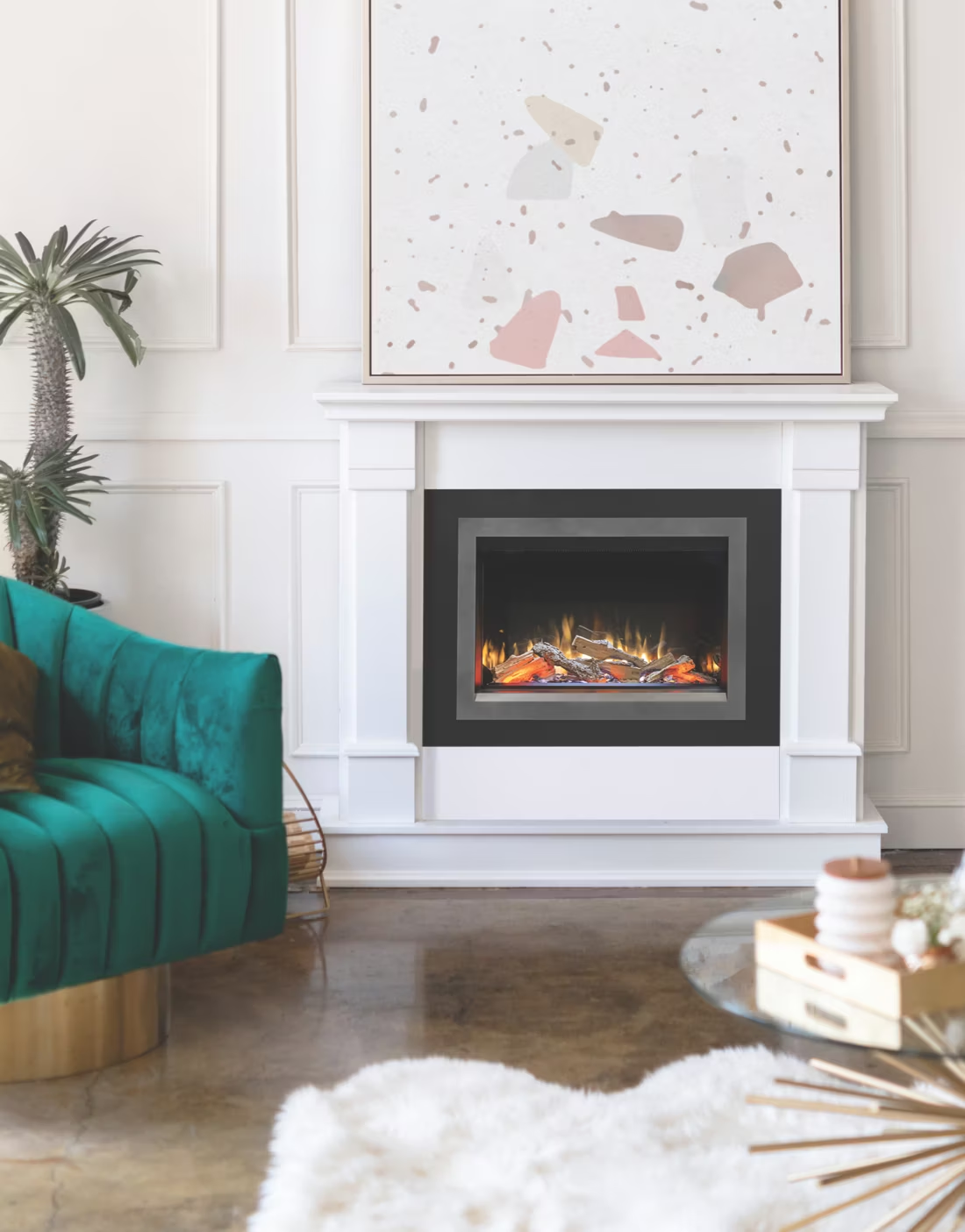
Four fuels. One honest answer for Greenwood County.
Three steps. No salesperson until you're ready.
Tell us about your project
Your zip code, your situation, and the fuel you're leaning toward—or let the answers point you to one.
See what's actually available
The brands dealers within 100 miles genuinely carry—real options, never a catalog mirage.
Get your dealer & Project Guide
A trusted local dealer, plus the free Project Guide & Parts List that names every component of the job.
Frequently Asked Questions
Which fuel works best in Greenwood County?
It depends on what's already at your property and how hands-on you want to be. Wood is a strong, practical choice here—oak and hickory grow along the river bottoms, and osage orange, the old hedge-fence tree found on nearly every farmstead in the county, is one of the densest, longest-burning firewoods available anywhere. Gas usually means propane rather than piped natural gas for most rural Greenwood County homes, since gas mains rarely reach outside town limits—propane fireplaces and inserts give you push-button heat without hauling wood. Pellet stoves are a solid middle option, with regional supply through brands like Lignetics and Indeck Energy Services. Electric fireplaces work well as supplemental heat in bedrooms or additions—at a 19°F average winter low, this county's winters are real but not severe enough that most homes need electric as a primary heat source.
Do I need a permit to install a fireplace in Greenwood County?
In most cases, yes. New wood stoves, inserts, propane fireplaces, and pellet stoves typically require a building permit through the Greenwood County building department, and propane installations also need the gas line work signed off by a licensed installer. Wood-burning appliances sold and installed today must meet current EPA emissions standards regardless of county size. Electric fireplaces usually skip the permit process unless you're hardwiring a built-in unit into a new circuit. Most local dealers and the technicians who travel into the county handle this paperwork as part of the installation, so it's worth asking upfront rather than pulling the permit yourself.
Are there air quality restrictions on wood burning in Greenwood County?
No—unlike counties in nonattainment areas or basins prone to winter inversions, Greenwood County has no wood-burning advisories, curtailment days, or burn bans tied to residential heating. Agricultural and rangeland burning (common practice in the Flint Hills each spring) falls under separate state and local rules, but a wood stove or fireplace heating your home in Eureka, Madison, or out on a rural section of land isn't subject to any air quality restriction. That said, using an EPA-certified stove is still worth it for efficiency and firewood savings, even without a regulatory requirement pushing you toward it.
Can one local dealer handle all four fuel types in Greenwood County?
Given the county's population of under 4,000, it's less common to find a single showroom stocking wood, gas, pellet, and electric side by side the way you might in a larger city. Many homeowners end up pairing a local propane or hearth dealer for the primary installation with a separate pellet supplier for fuel, or driving to a fuller-service dealer in Emporia, El Dorado, or Wichita to compare units in person before deciding. If you're not sure which fuel fits your home, that's exactly the kind of decision a trusted local dealer can walk through with you—permits, venting, and what's actually installable at your address, not just what's in a catalog.
How does fireplace and stove service work in a rural county like this?
Most chimney sweeps, propane techs, and pellet stove service providers covering Greenwood County are based in neighboring towns and drive in on a schedule rather than keeping a storefront here. Expect a modest trip charge for service calls to more remote parts of the county, and try to book your annual sweep or propane appliance check in late summer or early fall before the season's rush hits. If you're heating with wood or pellets as a primary source, keeping a backup supply of dry oak, hickory, or osage orange on hand is common practice here in case a hard freeze or an icy road delays a service visit.
What's the typical cost range for fireplace installation across all fuel types in Greenwood County?
Costs run a bit lower here than in metro markets, though rural travel fees can offset some of that. Wood stove or insert installation: roughly $3,800–$8,000 depending on chimney work. Propane fireplace, insert, or stove: roughly $4,000–$9,500, with cost driven mostly by whether an existing propane line and tank setup is already in place. Pellet stove or insert: roughly $4,000–$6,800 for a typical install. Electric fireplace: $200–$2,800 for the unit itself, plus $400–$1,000 in labor for anything beyond a plug-and-play wall unit. Ask your local dealer for an itemized quote—the biggest cost swing in this county tends to be how far the installer has to travel and whether new venting or gas line work is required.
Can a fireplace actually lower my heating bill?
Yes—by creating a comfort zone. A furnace heats every square foot of the house just to warm the one room you're in; a gas fireplace on low burns roughly a sixth of the gas a typical furnace does. Set the furnace around 55–60 degrees as a baseline, then heat the rooms your family actually uses. Families who heat this way commonly save $20–$60 a month.
Can I install a fireplace myself?
If you're putting a fire in your house on purpose, it's best to work with an expert. Unless you're genuinely experienced in framing, gas line, vent pipe, and the national code on clearances to combustibles, have a professional do it—and ideally the same company that sells you the fireplace, so warranty, service, and liability all live under one roof.
What are the biggest mistakes people make buying a fireplace?
Five come up constantly: budgeting for the unit but not the full job (vent, gas line, electrical, finish work); drowning in options instead of starting from style and fuel; buying without an in-home preview; handing installation to a handyman instead of a pro; and giving up out of sheer indecision. Every one is avoidable with a clear plan—step one, step two, step three.
Wood, gas, pellet, or electric—how do I choose?
Match the fuel to your life, not the other way around. Wood: lowest fuel cost and total power-outage independence, but you're hauling and stacking. Gas: press a button, set a thermostat, no maintenance to speak of. Pellet: wood economics with automatic feeding, in exchange for weekly cleaning and a need for electricity. Electric: plugs in anywhere with honest supplemental heat. Nobody regrets the fuel that fits how they actually live.
Stove and Fireplace Dealers in Greenwood County
Listings include WhyFire partner dealers, dealers we have verified as authorized for the brands we recommend, and established local businesses that carry hearth products. Every listing shows which one it is. The ones marked Preferred run on WhyFire's software, so they can show you real pricing and book your appointment right here. No manufacturer pays for placement. How we verify dealers →
Chimney Sweep
Modern Air Conditioning, Inc
Fireplace Stone & Patio
K&m Wholesale Supply
Bocote Showroom
Services Unlimited
All Things Bbq
Dod Installations
Find your fireplace in Greenwood County.
Get matched with a trusted local dealer and receive a free Project Guide & Parts List—a plan for your fireplace project in Greenwood County with the exact parts, including the vent kit, and a recommended local dealer to install it.
Find Your Fireplace →