
Heat Your Home Through Every Iowa Winter.
Wood, gas, pellet, and electric fireplace resources for every town in Louisa County—from Wapello and Columbus Junction to Morning Sun and Grandview. Find the right unit and connect with a trusted local hearth retailer.
Every Project Starts From One of These Five Situations
River-bottom farmland and long Iowa winters define heating in Louisa County.
Louisa County sits where the Iowa River meets the Mississippi in southeast Iowa, a landscape of row-crop farmland, timbered river bottoms, and small towns like Wapello, Columbus Junction, and Grandview. With winters comparable to Madison, Wisconsin, and an average winter low near 11°F, the heating season here runs comparable to Madison, Wisconsin—long, steady cold rather than extreme cold snaps, but enough to make a reliable primary heat source matter for six months of the year. The county's oak, hickory, maple, and walnut woodlots—many on family farm ground—have long supplied firewood for wood stoves and inserts, and that tradition still shapes how a lot of Louisa County households heat their homes.
This hub rounds up hearth retailers, service technicians, and fuel suppliers covering every community in the county—Wapello, Columbus Junction, Morning Sun, Letts, Grandview, Oakville, and Toolesboro, plus the farmsteads between them. Because Louisa County is small and largely rural, some dealers and technicians are based in neighboring Burlington, Muscatine, or Iowa City and travel in to cover the county. Pick your fuel below to see local dealer options, typical installation costs, and recommended units for your specific project.
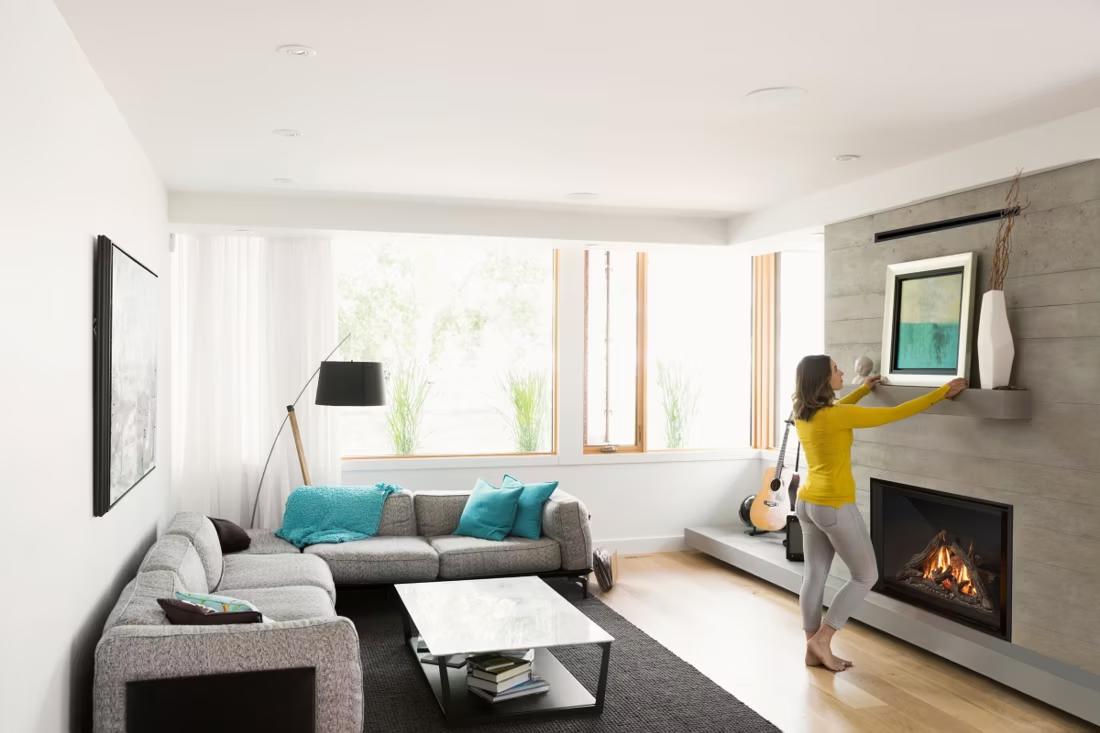
Four fuels. One honest answer for Louisa County.
Three steps. No salesperson until you're ready.
Tell us about your project
Your zip code, your situation, and the fuel you're leaning toward—or let the answers point you to one.
See what's actually available
The brands dealers within 100 miles genuinely carry—real options, never a catalog mirage.
Get your dealer & Project Guide
A trusted local dealer, plus the free Project Guide & Parts List that names every component of the job.
Frequently Asked Questions
Which fireplace fuel makes the most sense in Louisa County?
It comes down to your home and how you use it. Wood remains a strong choice here—Louisa County's oak, hickory, and walnut woodlots produce dense, high-BTU firewood that many families cut themselves or buy locally, and a wood stove keeps the house warm even if the power goes out during a winter storm. Gas is the low-maintenance option: because piped natural gas is mostly limited to town centers like Wapello and Columbus Junction, most rural gas installs run on propane, which still gives you push-button heat without hauling wood. Pellet stoves split the difference—less labor than splitting and stacking wood, with regional pellet supply from brands like Lignetics and Indeck Energy Services. Electric fireplaces work well as supplemental heat in a bedroom or den, but with average winter lows around 11°F and a heating season that runs six months, most Louisa County homes still lean on wood, propane, or pellet for the bulk of their heat.
Do I need a permit to install a fireplace or stove in Louisa County?
Generally yes, for anything beyond a plug-in electric unit. New wood stoves, wood inserts, gas fireplaces, gas inserts, and pellet stoves typically require a building permit through the county's building and zoning office, or the applicable city office if you're inside Wapello, Columbus Junction, or another incorporated town. Gas installations also need a separate line permit and licensed gas fitter to make the propane or natural gas connection. Wood-burning appliances should meet current EPA emissions standards, which most stoves sold new already do. Electric fireplaces usually skip the permit process unless you're doing a built-in installation that involves new wiring. Most local hearth retailers handle the permit paperwork as part of the installation quote.
Are there any air quality restrictions on wood burning in Louisa County?
No—Louisa County doesn't have the inversion-prone geography or non-attainment designation that triggers burn advisories in some parts of the country. There are no mandatory or voluntary burn-curtailment days here. That said, choosing an EPA-certified wood stove still matters for efficiency and lower smoke output, especially with the dense hardwoods common locally like oak and hickory, which burn hot and clean when properly seasoned but can smolder and smoke if burned green. Good local dealers will steer you toward a certified unit sized correctly for your space regardless of any regulatory requirement.
Can one local dealer handle wood, gas, pellet, and electric?
In a county this size, it's less common to find one dealer stocking all four fuels in depth. Some hearth retailers based in Wapello or Columbus Junction carry a solid wood and gas lineup for local customers, while pellet and electric selection tends to be broader at the larger multi-fuel showrooms in Burlington or Muscatine, both a reasonable drive for most Louisa County residents. If you're still deciding between fuels, it's worth visiting one of those larger showrooms to see working displays side by side before committing, then bringing your project back to a closer dealer for installation and service.
How does fireplace service and installation work in a rural county like this?
Most technicians and installers covering Louisa County are based in Burlington, Muscatine, or Iowa City and travel into the smaller towns and farmsteads for service calls and installs. Expect a modest travel charge on top of standard rates for jobs out toward Oakville, Toolesboro, or the more rural stretches of the county. Scheduling in late summer or early fall—before the first cold snap—gets you on the calendar ahead of the rush that hits every hearth business once temperatures drop. If you're heating with wood as a primary source, plan your annual chimney sweep for the same window so you're not waiting on a service slot in December.
What does fireplace installation typically cost across fuel types in Louisa County?
Costs vary by fuel and by how much existing infrastructure—chimney, gas line, electrical—you already have. Wood stove or insert installation: roughly $4,000–$8,500 for a typical retrofit, more if new chimney or hearth pad work is needed. Propane fireplace, insert, or stove: roughly $4,000–$10,000 depending on whether you already have a propane tank and line run to the house. Pellet stove or insert: roughly $4,000–$7,000 installed. Electric fireplace: $200–$2,500 for the unit itself, with $300–$1,000 in labor for anything beyond a simple plug-in install. Rural travel charges from Burlington, Muscatine, or Iowa City-based crews can add to the total, so it's worth asking upfront when you get a quote.
What is an in-home preview and do I need one?
It's a visit where a hearth professional measures your space, confirms the model you picked actually works in your home, and walks the specs—framing, gas line, venting, finish work—before anything is ordered. Some details you just can't know until you see the house. Never make a down payment without one; it's the single most-skipped step that burns buyers.
Does a fireplace add value to my home?
On average, a fireplace adds back to the home about the same amount you spent installing it. Add the monthly savings from heating the rooms you actually use instead of the whole house—often hundreds of dollars a year—and the value case is strong before you even count what a fire does for how your family uses the room.
Can I install a fireplace myself?
If you're putting a fire in your house on purpose, it's best to work with an expert. Unless you're genuinely experienced in framing, gas line, vent pipe, and the national code on clearances to combustibles, have a professional do it—and ideally the same company that sells you the fireplace, so warranty, service, and liability all live under one roof.
Should the dealer who sells my fireplace also install it?
Ideally, yes. A fireplace project involves vent pipe, gas line, electrical, and often tile or stone. Hire three or four separate trades and you own the liability and the game of telephone between them. One company selling and installing means one accountable party, start to finish—ask about factory training, on-time completion records, and what happens if an inspection fails.
Find your fireplace in Louisa County.
Pick your fuel below and I'll match you with a trusted local dealer and send over your free Project Guide & Parts List—the exact parts, including the vent kit, and the local pro who can install it right.
Find Your Fireplace →