
Heating gear built for the Salmon River valley's long, cold winters.
Wood, gas, pellet, and electric fireplace resources for Salmon, Leadore, North Fork, and the rest of Lemhi County. Find the right unit for your elevation and connect with a local hearth retailer who installs it correctly.
Every Project Starts From One of These Five Situations
Remote, high-elevation heating in Lemhi County, Idaho.
Lemhi County sits along the Salmon River between the Bitterroot and Lemhi mountain ranges, with a winter heating load well beyond most of the country and average winter lows around 11°F—colder on average than Bozeman, Montana. This is sparsely populated country: just over 3,000 residents spread across nearly 4,600 square miles, much of it national forest. Lodgepole pine, ponderosa pine, Douglas fir, and larch grow throughout the Salmon-Challis and Beaverhead-Deerlodge National Forests, and Forest Service firewood permits are a normal part of how households here keep a woodpile stocked through a heating season that often starts in September and doesn't let up until May.
What you'll find on this hub: hearth retailers, service technicians, and fuel suppliers covering the whole county—from Salmon, the county seat, out to Leadore near the Montana line and North Fork up the river. Pick a fuel below to see local dealers, typical installation costs, and units suited to this elevation and cold. Whether you're heating a ranch house outside Salmon or a cabin along the river, this is the place to start.
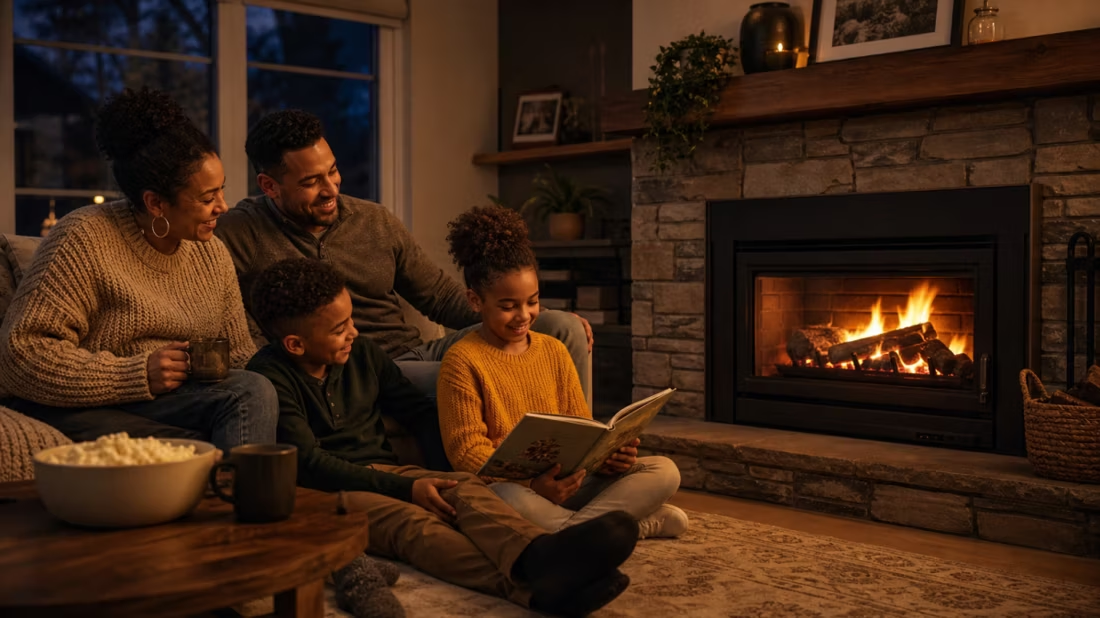
Four fuels. One honest answer for Lemhi County.
Three steps. No salesperson until you're ready.
Tell us about your project
Your zip code, your situation, and the fuel you're leaning toward—or let the answers point you to one.
See what's actually available
The brands dealers within 100 miles genuinely carry—real options, never a catalog mirage.
Get your dealer & Project Guide
A trusted local dealer, plus the free Project Guide & Parts List that names every component of the job.
Frequently Asked Questions
Which fuel makes the most sense for a home in Lemhi County?
With a long, demanding heating season and winter lows averaging 11°F, most Lemhi County homes need a fuel that can carry real heating load, not just ambiance. Wood remains the backbone fuel here—Forest Service permits through the Salmon-Challis and Beaverhead-Deerlodge National Forests keep firewood costs low, and a catalytic stove burning lodgepole pine or Douglas fir can hold a long, steady fire through single-digit nights. Propane is the practical gas option for most of the county since natural gas infrastructure is limited outside town; it's the choice for homeowners who want instant heat without stacking wood. Pellet stoves are a solid middle ground—Bear Mountain and Lignetics pellets are regionally available, and pellet heat needs less physical labor than a woodpile, though it does need electricity to run the auger. Electric units work well as supplemental heat in a bedroom or bonus room but shouldn't be your only heat source through a Salmon winter. Many households here run wood or propane as primary heat with a smaller electric or pellet unit for zone heating.
Do I need a building permit to install a wood stove or fireplace in Lemhi County?
Generally yes for wood, gas, and pellet installations, whether new construction or a stove swap. New wood-burning appliances need to meet current EPA emissions standards, and gas installations need a permitted gas line and a licensed installer for the propane connection, since most of the county runs on propane rather than piped natural gas. Electric fireplaces usually skip the permit process unless you're doing a built-in installation with new wiring. Given how spread out the county is, most local hearth retailers who install in Salmon, Leadore, or North Fork handle the permitting as part of the job—worth confirming with your installer up front rather than assuming.
How does wildfire smoke affect wood burning in Lemhi County?
Wildfire smoke is the primary air quality concern in this part of Idaho, not winter inversions. Summer and early fall wildfire seasons in the Salmon-Challis and Beaverhead-Deerlodge forests can bring extended smoky stretches, which is a separate issue from winter wood-heating smoke. That said, if you're burning through a long Lemhi County winter, a certified stove burning dry, well-seasoned lodgepole pine or larch produces meaningfully less smoke than an old uncertified unit—worth factoring in if you're replacing an aging stove, both for air quality and for the extra heat you'll get per cord.
Can I find a dealer near Salmon who carries all four fuel types?
Given the county's small population, expect fewer dealers than you'd find in a larger market, and not every dealer will stock all four fuel types on the showroom floor. Some Salmon-area retailers focus heavily on wood and pellet, since those are the dominant fuels for full-time heating here, while carrying a smaller gas and electric selection for secondary rooms. If you're comparing fuels side by side, ask a retailer directly what they have on display versus what they can special-order—in a market this size, special-order is common even at well-established dealers.
How does chimney and stove service work in a county this remote?
Most technicians who service Lemhi County are based in or travel through Salmon and cover Leadore, North Fork, and the ranch properties along the Salmon River corridor. Expect to schedule further ahead than you would in a larger town, and budget for a travel fee on rural calls, particularly out toward Leadore near the Montana line. Because this county leans heavily on wood heat through a long season, annual chimney sweeping before the September start of heating season is worth prioritizing rather than waiting for a mid-winter emergency call when a tech may be booked out.
What does fireplace installation typically cost across fuel types in Lemhi County?
Costs run broadly in line with other rural mountain-west markets, with some upward pressure from travel distance for installers. Wood stove or insert installation: roughly $4,500–$9,500 for a typical install, more for new chimney construction. Gas fireplace, insert, or stove: roughly $4,500–$10,500, with propane line work and tank setup adding cost if you don't already have service. Pellet stove or insert: roughly $4,500–$7,500 for a standard install. Electric fireplace: $200–$3,000 for the unit itself, plus $400–$1,200 in labor for anything beyond a simple plug-in placement. See the county + fuel pages above for detail tied to specific local retailers.
What is an in-home preview and do I need one?
It's a visit where a hearth professional measures your space, confirms the model you picked actually works in your home, and walks the specs—framing, gas line, venting, finish work—before anything is ordered. Some details you just can't know until you see the house. Never make a down payment without one; it's the single most-skipped step that burns buyers.
How much should I budget for a fireplace?
For an average home—covering the fireplace, the vent pipe, and basic installation—a budget between $3,900 and $5,500 gives you a lot of options across wood, gas, and pellet. By the time you add finish work, gas line, and electrical, the average complete installation lands between $5,000 and $12,000 all-in. In a remodel or new build, a good rule is to put about 2.5% of the total project cost toward the fireplace.
Does a fireplace add value to my home?
On average, a fireplace adds back to the home about the same amount you spent installing it. Add the monthly savings from heating the rooms you actually use instead of the whole house—often hundreds of dollars a year—and the value case is strong before you even count what a fire does for how your family uses the room.
Should the dealer who sells my fireplace also install it?
Ideally, yes. A fireplace project involves vent pipe, gas line, electrical, and often tile or stone. Hire three or four separate trades and you own the liability and the game of telephone between them. One company selling and installing means one accountable party, start to finish—ask about factory training, on-time completion records, and what happens if an inspection fails.
Stove and Fireplace Dealers in Lemhi County
Listings include WhyFire partner dealers, dealers we have verified as authorized for the brands we recommend, and established local businesses that carry hearth products. Every listing shows which one it is. The ones marked Preferred run on WhyFire's software, so they can show you real pricing and book your appointment right here. No manufacturer pays for placement. How we verify dealers →
Valley Wide Co-Op
Cycles, Sleds & Saws
Find your fireplace in Lemhi County.
Pick your fuel below and I'll match you with a trusted local dealer who'll build you a free Project Guide & Parts List—the right unit, the vent kit, and a plan for your specific home.
Find Your Fireplace →