
Find your fireplace across Highlands County.
From Sebring to Lake Placid, most homes here add a fireplace for ambiance and the occasional cold snap, not for survival heat. Get matched with a local dealer who knows what actually makes sense in a county with such a mild, short winter.
Every Project Starts From One of These Five Situations
a barely-there winter and a fireplace built for style, not survival.
Highlands County sits on the central Florida ridge among Sebring, Avon Park, and Lake Placid, a landscape of citrus groves, lakes, and longleaf pine flatwoods. Average winter lows hover around 49°F, and the county's heating season is light and short—a fraction of what a place like Duluth, Minnesota racks up before Thanksgiving. Oak, mahogany, and pine all grow locally, and older homes sometimes have a decorative masonry fireplace left over from a pre-air-conditioning era, but real overnight cold is rare enough that a heating-load fireplace almost never pencils out here.
That climate reality shapes which fuels actually get installed. Gas fireplaces—most running on propane given how much of the county sits outside natural gas service territory—are a genuine standard here, chosen for the look and feel of a real flame without any wood, ash, or chimney maintenance. Electric fireplaces are just as common, popular for zero-clearance installs in newer construction and for supplemental warmth on the handful of nights each winter that dip into the 30s. Wood-burning fireplaces are not applicable in any practical sense—a small number of homeowners keep one for occasional ambiance or a vacation property up north, but nobody in Highlands County is heating a home with cordwood. Pellet stoves are effectively absent too; regional brands like Lignetics, Hamer Pellet Fuel, and Greenway Renewable Energy sell into this market for grilling and animal bedding, not home heat. This hub rolls up hearth retailers, service techs, and fuel suppliers across the whole county—pick your fuel below for local dealers and install costs specific to your town.
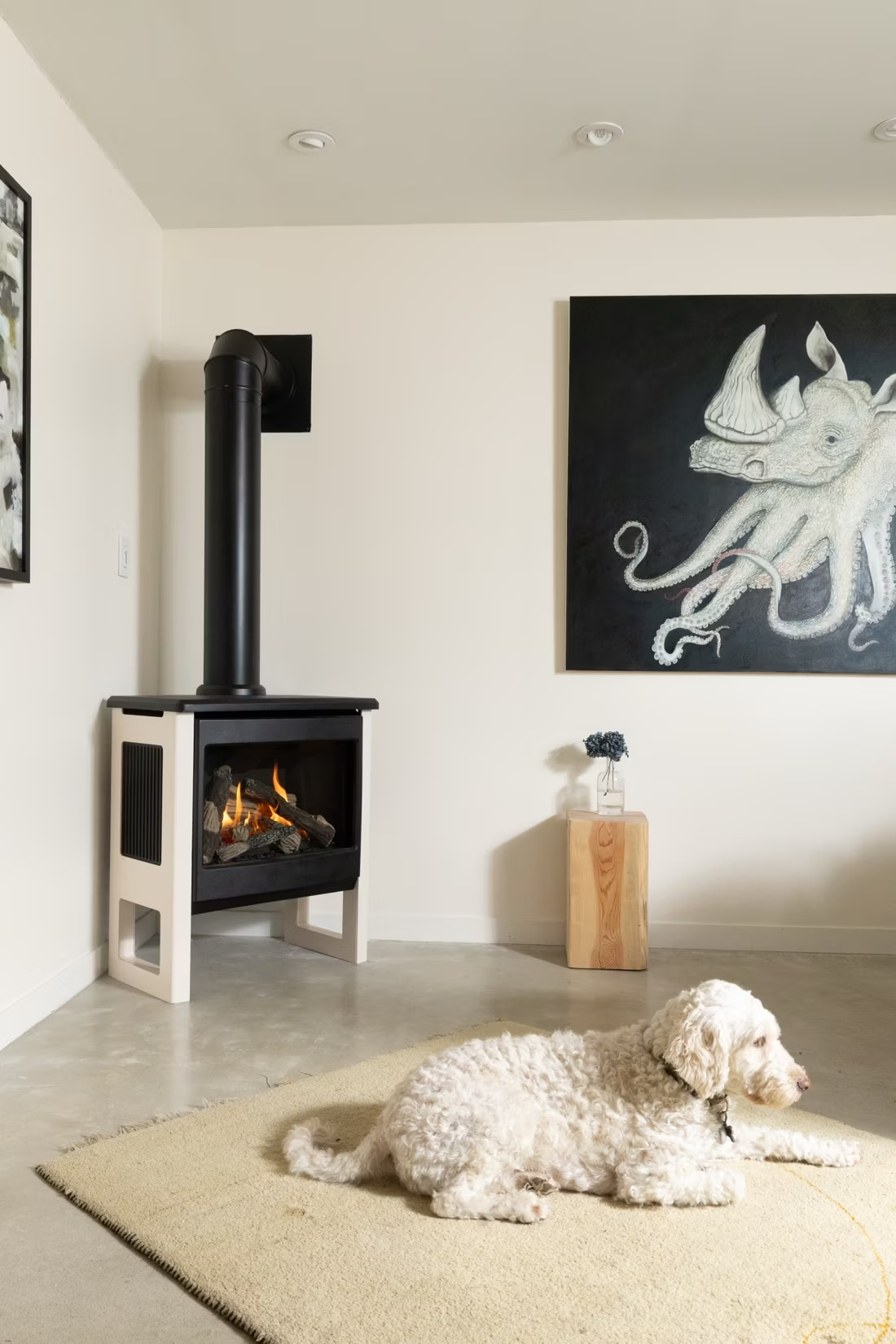
Four fuels. One honest answer for Highlands County.
Three steps. No salesperson until you're ready.
Tell us about your project
Your zip code, your situation, and the fuel you're leaning toward—or let the answers point you to one.
See what's actually available
The brands dealers within 100 miles genuinely carry—real options, never a catalog mirage.
Get your dealer & Project Guide
A trusted local dealer, plus the free Project Guide & Parts List that names every component of the job.
Frequently Asked Questions
Which fireplace fuel actually makes sense in Highlands County?
Gas and electric are the two fuels homeowners here actually install, and for good reason—with winter lows averaging 49°F and only a light, short heating season each year, there's simply no sustained cold to justify a wood-burning heat source. A propane-fed gas fireplace or insert gives you real flame and instant ambiance without a chimney to maintain, which fits Florida's humidity and lack of a true heating season. Electric fireplaces are just as popular, especially in newer builds, because they need no venting and can go anywhere in the house. Wood-burning fireplaces show up occasionally in older Sebring or Avon Park homes as a decorative holdover, but almost nobody burns cordwood as heat here. Pellet stoves are essentially not part of the local market.
Do I need a permit for a gas or electric fireplace install in Highlands County?
Yes, in most cases. A new gas fireplace or gas line extension typically requires a permit through the Highlands County Building Division for unincorporated areas, or the relevant city permitting office if you're inside Sebring, Avon Park, or Lake Placid city limits, plus work by a licensed gas fitter for the propane connection. Electric fireplaces usually only need a permit if you're adding a dedicated circuit for a built-in unit—a simple plug-and-play model generally doesn't trigger the process. Most local dealers we match homeowners with handle this paperwork as part of the installation.
Is a wood-burning fireplace ever a good option here?
It's uncommon, and it's worth being upfront about that. With virtually no sustained heating season and average lows staying in the high 40s, a wood-burning fireplace in Highlands County functions purely as a decorative or occasional-use feature rather than a heat source—some older homes near Sebring's lake district still have the original masonry fireplace from before central air conditioning was standard. If you want that look, local oak and pine are available regionally, but plan on it as an occasional cool-evening feature, not a winter heating strategy.
What about pellet stoves—are those available locally?
Not really, at least not for home heating. Brands like Lignetics, Hamer Pellet Fuel, and Greenway Renewable Energy do have a regional presence, but that supply mostly serves grilling pellets and animal bedding rather than pellet stove installs. Given how mild Highlands County winters are, there's little demand for a dedicated pellet heating appliance, and you won't find many local dealers stocking pellet stoves or inserts as a result.
What does a gas or electric fireplace installation typically cost in Highlands County?
Gas fireplaces, inserts, and stoves generally run $4,500–$11,000 installed, with the range driven mostly by how far the propane line has to run and whether you're building a new hearth surround or converting an existing one. Electric fireplaces are considerably less—often $200–$3,000 for the unit, plus $400–$1,200 in labor if you're adding a built-in with a dedicated circuit rather than a plug-and-play model. The county + fuel pages above break these numbers down with local retailer pricing.
How does hurricane season and Florida humidity affect fireplace maintenance here?
Humidity and salt-tinged air off the nearby lakes can accelerate corrosion on gas fireplace burner components and electric fireplace wiring connections faster than in drier climates, so an annual inspection before hurricane season ramps up in June is a smart habit, not an afterthought. Power outages during storm season are also worth planning around—a battery-backup ignition system on a gas unit means you can still run the fireplace if the grid goes down, which matters more in rural parts of the county than it does in town.
Does a fireplace add value to my home?
On average, a fireplace adds back to the home about the same amount you spent installing it. Add the monthly savings from heating the rooms you actually use instead of the whole house—often hundreds of dollars a year—and the value case is strong before you even count what a fire does for how your family uses the room.
Can I install a fireplace myself?
If you're putting a fire in your house on purpose, it's best to work with an expert. Unless you're genuinely experienced in framing, gas line, vent pipe, and the national code on clearances to combustibles, have a professional do it—and ideally the same company that sells you the fireplace, so warranty, service, and liability all live under one roof.
What is an in-home preview and do I need one?
It's a visit where a hearth professional measures your space, confirms the model you picked actually works in your home, and walks the specs—framing, gas line, venting, finish work—before anything is ordered. Some details you just can't know until you see the house. Never make a down payment without one; it's the single most-skipped step that burns buyers.
Should the dealer who sells my fireplace also install it?
Ideally, yes. A fireplace project involves vent pipe, gas line, electrical, and often tile or stone. Hire three or four separate trades and you own the liability and the game of telephone between them. One company selling and installing means one accountable party, start to finish—ask about factory training, on-time completion records, and what happens if an inspection fails.
Stove and Fireplace Dealers in Highlands County
Listings include WhyFire partner dealers, dealers we have verified as authorized for the brands we recommend, and established local businesses that carry hearth products. Every listing shows which one it is. The ones marked Preferred run on WhyFire's software, so they can show you real pricing and book your appointment right here. No manufacturer pays for placement. How we verify dealers →
Accent Fireplace & Accessories
Get matched with a local Highlands County dealer.
Tell us about your home and we'll put together a free Project Guide & Parts List—the right unit, the venting or wiring it needs, and the local dealer we recommend for your project.
Find Your Fireplace →