
Fireplace heat built for 10,000 feet.
Wood, gas, pellet, and electric fireplace resources for Leadville, Twin Lakes, Malta, and every community in Lake County. Find the right unit for high-altitude heating and connect with a trusted local hearth retailer.
Every Project Starts From One of These Five Situations
High-altitude heating in Lake County, Colorado.
Lake County sits in a high alpine basin in central Colorado, anchored by Leadville—the highest incorporated city in the United States at roughly 10,152 feet. At that elevation, thin air changes how combustion appliances perform: gas fireplaces need high-altitude conversion kits to burn correctly, and even a well-built wood stove drafts differently than it would at sea level. Winters here are severe by any measure—an average low near 5°F and an overall winter heating load colder than International Falls, Minnesota. The heating season effectively runs from September through May. Wood heat is common and practical here: ponderosa pine, aspen, pinyon, and juniper are all locally available, and many residents cut their own firewood under personal-use permits issued through the White River National Forest.
This hub covers the whole county—Leadville, Twin Lakes, Malta, and the unincorporated stretches along Highway 24 and the upper Arkansas River valley. Pick a fuel below to see local dealers, typical installation costs, and the altitude-specific equipment considerations that come with heating above 10,000 feet. Whether you're heating a downtown Leadville Victorian or a cabin near Turquoise Lake, this is where to start.
Four fuels. One honest answer for Lake County.
Three steps. No salesperson until you're ready.
Tell us about your project
Your zip code, your situation, and the fuel you're leaning toward—or let the answers point you to one.
See what's actually available
The brands dealers within 100 miles genuinely carry—real options, never a catalog mirage.
Get your dealer & Project Guide
A trusted local dealer, plus the free Project Guide & Parts List that names every component of the job.
Frequently Asked Questions
Which fireplace fuel works best in Lake County?
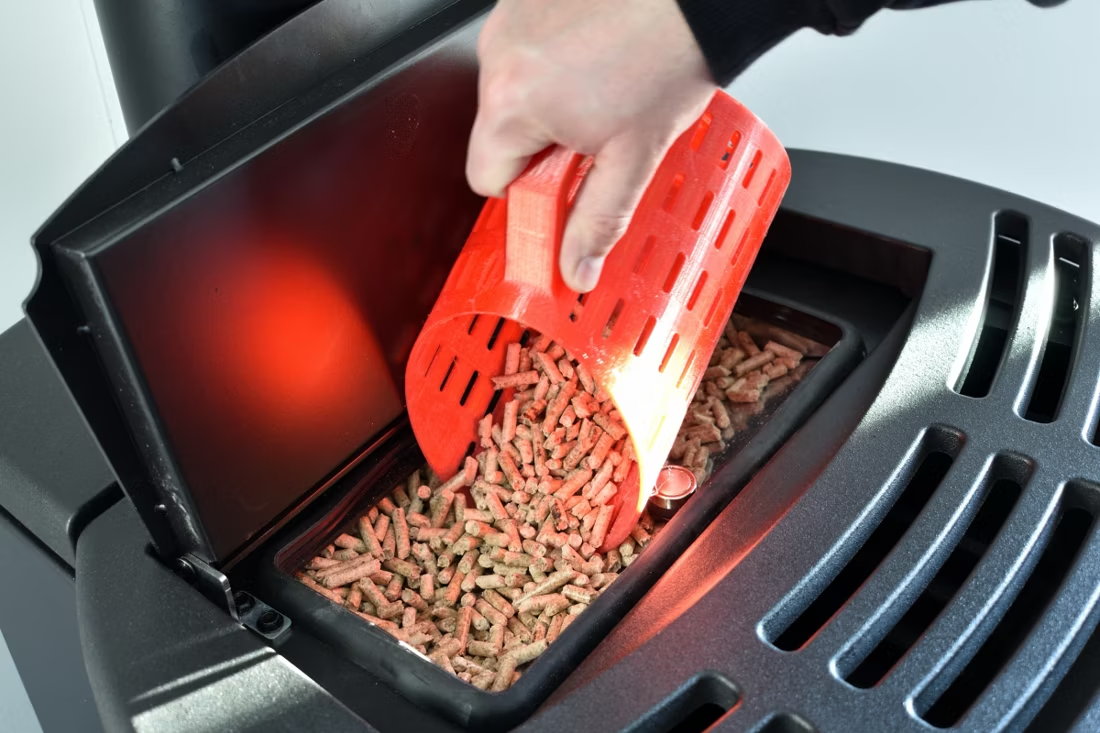
It depends on the home and how much you want to rely on grid power during a mountain winter. Wood remains the most reliable primary fuel here—ponderosa pine, aspen, pinyon, and juniper are all locally available, and a wood stove keeps working through the storm-related outages that come with living above 10,000 feet. Gas is a strong second choice, though most Lake County homes run on propane rather than piped natural gas given the remote, high-elevation location; propane fireplaces and inserts need a high-altitude conversion kit to burn correctly. Pellet stoves offer wood-style heat with less daily labor and are well stocked locally through Bear Mountain, Lignetics, and Forest Energy, but they also need altitude-adjusted feed settings to run clean at this elevation. Electric works well as supplemental heat for condos, bedrooms, and secondary rooms in Leadville, but it isn't a primary heat source through a winter this long. Most homes here end up pairing wood or pellet as the main heater with gas or electric as backup.
Do I need a permit to install a fireplace or stove in Lake County?
Yes, in nearly every case. New wood stoves, wood inserts, gas fireplaces, gas inserts, gas stoves, and pellet stoves all require a building permit through the Lake County Building Department, or through the City of Leadville if the property is inside city limits. Gas installations also require a separate gas line permit and a licensed gas fitter, and the altitude conversion kit needs to be part of the inspected installation, not an afterthought. Wood-burning appliances must meet current EPA 2020 NSPS emissions standards. Electric fireplaces generally don't require a permit unless the installation involves a built-in unit with new wiring or a dedicated circuit. Most local hearth retailers handle the permitting as part of the installation, so you typically aren't filing paperwork yourself.
Are there wood-burning restrictions in Lake County?
The main air-quality concern here is wildfire smoke rather than winter inversion. During dry, high-fire-danger stretches—typically late summer into fall—the White River National Forest or the county sheriff's office may issue Stage 1 or Stage 2 fire restrictions that limit open burning and campfires. These restrictions are aimed at outdoor and recreational fires, not EPA-certified indoor wood stoves used for home heating, which generally continue operating through the season. It's still worth checking current fire-restriction status before cutting or hauling firewood, especially during red flag warning periods, since access to National Forest land can be limited.
Does elevation affect which stove or fireplace I can install in Lake County?
Yes, meaningfully. At Leadville's roughly 10,150 feet, thinner air reduces the BTU output of gas fireplaces and inserts, so manufacturers require high-altitude orifice or conversion kits above certain elevation thresholds—installers here order these as a standard part of the job, not an option. Pellet stoves often need their combustion blower and feed-rate settings recalibrated for high-altitude draft, and a dealer who regularly installs above 10,000 feet will know the correct settings for your specific brand. Wood stoves draft more strongly in thin mountain air, which affects chimney height, cap selection, and sometimes damper adjustment. A local retailer who works this elevation daily is worth more here than a big-box installer unfamiliar with altitude derating.
What's the typical installation cost across fuel types in Lake County?
Costs run a bit higher here than in lower-elevation counties, partly due to remote delivery and altitude-specific parts. Wood stove or insert installation: roughly $5,000–$10,000 for a typical job, more for new-construction chimney work. Gas fireplace, insert, or stove: roughly $5,000–$12,000, which often includes a propane line run and the required high-altitude conversion kit. Pellet stove or insert: roughly $5,000–$8,000 for a typical install. Electric fireplace: $250–$3,200 for the unit itself, plus $400–$1,300 in labor for anything beyond a simple plug-and-play placement. See the county + fuel pages above for cost detail tied to specific local retailers.
Where does firewood come from in Lake County, and can I cut my own?
Many Lake County residents cut their own firewood under personal-use permits issued through the White River National Forest, which covers standing-dead and downed timber in ponderosa pine, aspen, pinyon, and juniper. Permits are inexpensive but seasonal—the short mountain summer and early snowfall limit the cutting window more than the permit rules do. Aspen burns fast and needs frequent reloading, while ponderosa pine and pinyon burn denser and longer, which matters when you're trying to hold a fire overnight at these winter lows. If cutting your own isn't practical, local suppliers sell seasoned, split cordwood—worth arranging early in the fall before roads and access points get harder to reach.
How much should I budget for a fireplace?
For an average home—covering the fireplace, the vent pipe, and basic installation—a budget between $3,900 and $5,500 gives you a lot of options across wood, gas, and pellet. By the time you add finish work, gas line, and electrical, the average complete installation lands between $5,000 and $12,000 all-in. In a remodel or new build, a good rule is to put about 2.5% of the total project cost toward the fireplace.
Can a fireplace actually lower my heating bill?
Yes—by creating a comfort zone. A furnace heats every square foot of the house just to warm the one room you're in; a gas fireplace on low burns roughly a sixth of the gas a typical furnace does. Set the furnace around 55–60 degrees as a baseline, then heat the rooms your family actually uses. Families who heat this way commonly save $20–$60 a month.
What is an in-home preview and do I need one?
It's a visit where a hearth professional measures your space, confirms the model you picked actually works in your home, and walks the specs—framing, gas line, venting, finish work—before anything is ordered. Some details you just can't know until you see the house. Never make a down payment without one; it's the single most-skipped step that burns buyers.
Can I install a fireplace myself?
If you're putting a fire in your house on purpose, it's best to work with an expert. Unless you're genuinely experienced in framing, gas line, vent pipe, and the national code on clearances to combustibles, have a professional do it—and ideally the same company that sells you the fireplace, so warranty, service, and liability all live under one roof.
Stove and Fireplace Dealers in Lake County
Listings include WhyFire partner dealers, dealers we have verified as authorized for the brands we recommend, and established local businesses that carry hearth products. Every listing shows which one it is. The ones marked Preferred run on WhyFire's software, so they can show you real pricing and book your appointment right here. No manufacturer pays for placement. How we verify dealers →
Black Diamond Fireplace
Safe & Warm / Soot Busters
Service Monkey Fireplace
Western Fireplace Supply
Ute City Fireplaces, LLC
Home & Hearth Outfitters
Rio Grande Building Materials
Get matched with a Lake County dealer.
Tell us about your home and fuel preference, and we'll match you with a trusted local Lake County hearth retailer who installs correctly at this elevation. You'll get a free Project Guide & Parts List—the exact parts, vent kit, and altitude-appropriate equipment for your project, plus your recommended local dealer.
Find Your Fireplace →