
High-country heat for every home in Eagle County.
Wood, gas, pellet, and electric fireplace resources for every mountain town in Eagle County—from Vail down-valley to Gypsum. Find the right unit for your elevation and connect with a trusted local hearth retailer.
Every Project Starts From One of These Five Situations
Serious cold at serious elevation across Eagle County, Colorado.
Eagle County runs from around 6,100 feet at Gypsum up past 8,000 feet in Vail and Minturn, with peaks well above 10,000. With a winter heating load comparable to Duluth, Minnesota, this county heats harder and longer than most, but with thinner air and heavier snow loads changing how chimneys and vent runs get sized. Average winter lows near 7°F are routine, and cold snaps well below zero aren't rare. Wood heat has deep roots here, with ponderosa pine, aspen, pinyon, and juniper all locally available, but homeowners increasingly weigh wood against wildfire-smoke concerns during dry, high-wind stretches.
What you'll find on this hub: hearth retailers, service technicians, and fuel suppliers covering every community in the county—Vail, Avon, Edwards, Eagle, Gypsum, Minturn, and the unincorporated areas along I-70 and the Colorado River. Pick your fuel below to see local dealers, elevation-adjusted installation notes, and unit recommendations. Whether you're outfitting a Vail Village condo or a ranch house outside Gypsum, this is the starting point.
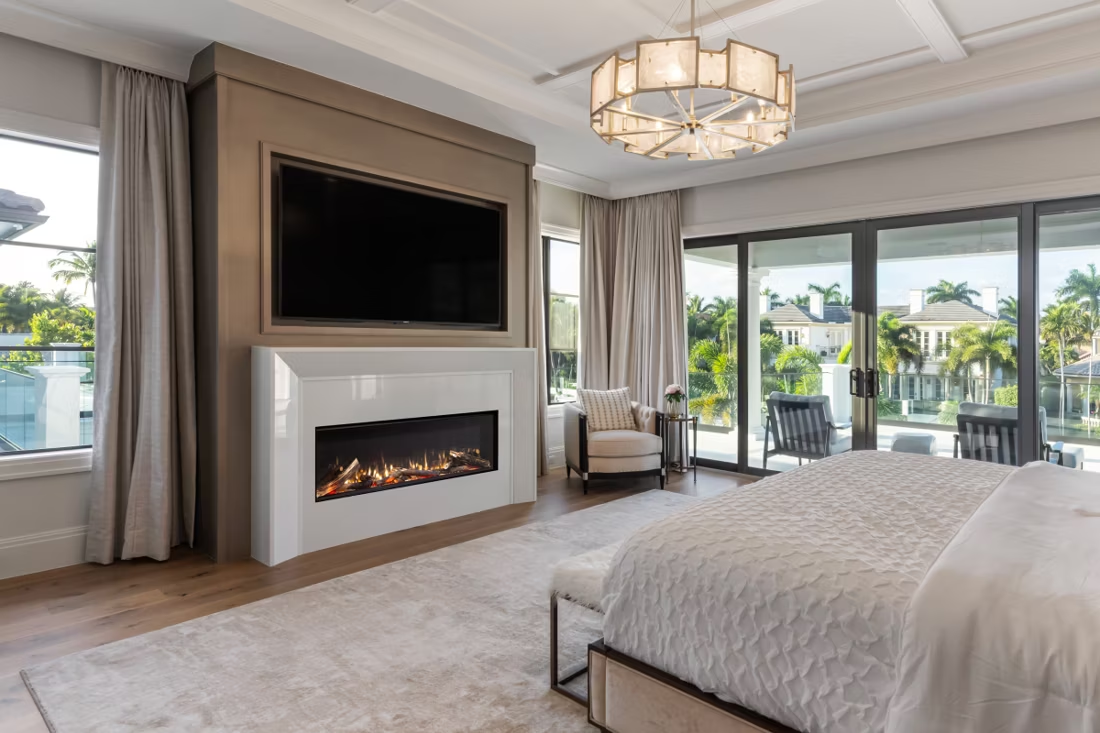
Four fuels. One honest answer for Eagle County.
Three steps. No salesperson until you're ready.
Tell us about your project
Your zip code, your situation, and the fuel you're leaning toward—or let the answers point you to one.
See what's actually available
The brands dealers within 100 miles genuinely carry—real options, never a catalog mirage.
Get your dealer & Project Guide
A trusted local dealer, plus the free Project Guide & Parts List that names every component of the job.
Frequently Asked Questions
Which fuel works best in Eagle County?
It depends on elevation, budget, and how often you're at the property. Wood remains a strong choice in the lower valley around Gypsum and Eagle, where pinyon, juniper, and aspen are locally cut, often under a White River National Forest permit—and where wood heat keeps working through the power outages that come with mountain storms. Gas is the default in Vail and Avon condos and second homes, where instant heat and zero-maintenance operation matter more than fuel cost, and many buildings already have gas service in place. Pellet is a solid middle option for full-time residents who want wood-like heat without splitting and stacking cordwood—Bear Mountain and Forest Energy both distribute in the valley. Electric works well for supplemental heat in bedrooms, offices, or rental units where a real hearth isn't practical. Most full-time Eagle County households end up running two fuels: one as primary heat, one as backup or ambiance.
Do I need a permit to install a fireplace in Eagle County?
Yes, in nearly every case. New wood stoves, wood inserts, gas fireplaces, gas inserts, gas stoves, and pellet stoves all require a building permit, and gas installs need a separate gas-line permit pulled by a licensed gas fitter. Within Vail, Avon, and the other incorporated towns, permits go through that town's building department; in unincorporated Eagle County, they route through the county building division. High-altitude installs also mean venting and clearance specs get checked more carefully—thinner air changes draft performance, so installers size flues and vent runs for elevation, not just square footage. Most hearth retailers in this county handle permitting as part of the install, since they're used to the elevation-specific requirements.
Are there wood-burning restrictions in Eagle County?
There's no year-round non-attainment designation here the way there is in some Colorado mountain valleys, but wildfire smoke is a real seasonal concern. During dry, high-wind stretches—typically late summer into fall, sometimes extending into winter in low-snow years—local fire authorities may issue burn restrictions that affect open burning and, at times, wood-burning appliances in new construction reviews. If you're building new or replacing an old stove, expect your building department to ask about EPA-certified emissions ratings; certified units are the practical standard for new installs regardless of season. Checking current Eagle County or town-level fire restrictions before burning season starts is a good habit, especially in dry years.
Can one local hearth retailer handle all four fuel types?
Many Eagle County retailers carry at least three of the four fuel types, since valley customers span everything from ranch houses to ski condos. Dealers based in Avon and Edwards tend to stock wood, gas, and pellet units with working displays, and carry electric as a smaller supplemental line. Retailers closer to Eagle and Gypsum lean harder into wood and pellet given the lower-elevation, full-time-resident customer base and easier firewood access. If you're not sure which fuel fits your specific address and altitude, a multi-fuel dealer can walk you through venting and clearance differences between a Vail Village unit and a Gypsum ranch install side by side.
How does service work for remote or seasonal properties in Eagle County?
A large share of Eagle County properties are second homes or short-term rentals, which changes how service gets scheduled. Technicians based along the I-70 corridor travel up to Vail and Minturn and down to Gypsum, but availability tightens fast once ski season starts—booking chimney sweeps and gas inspections in September or early October, before the first real cold snap, is standard advice from local techs. For properties that sit empty for weeks at a time, an annual gas-line and CO-detector check before each season is worth scheduling even if the fireplace hasn't been used much. Owners who split time between Eagle County and elsewhere often pair a pellet or gas unit for reliability with wood as a backup heat source during multi-day power outages.
What's the typical cost range for fireplace installation across all fuel types in Eagle County?
Costs run higher here than in many parts of Colorado, largely due to elevation-adjusted venting requirements and mountain-town labor rates. Wood stove or insert installation: roughly $5,500–$10,500 for typical retrofits, climbing toward $15,000 for new-construction masonry chimney work. Gas fireplace, insert, or stove: about $5,000–$12,000 depending on whether gas line extension is needed, with condo conversions often at the lower end when gas service already exists. Pellet stove or insert: generally $5,000–$8,500 installed. Electric fireplace: $200–$3,000 for the unit itself, plus $400–$1,300 in labor for anything beyond a plug-and-play wall unit. See the county + fuel pages above for retailer-specific pricing detail.
Does a fireplace add value to my home?
On average, a fireplace adds back to the home about the same amount you spent installing it. Add the monthly savings from heating the rooms you actually use instead of the whole house—often hundreds of dollars a year—and the value case is strong before you even count what a fire does for how your family uses the room.
What is an in-home preview and do I need one?
It's a visit where a hearth professional measures your space, confirms the model you picked actually works in your home, and walks the specs—framing, gas line, venting, finish work—before anything is ordered. Some details you just can't know until you see the house. Never make a down payment without one; it's the single most-skipped step that burns buyers.
Can I install a fireplace myself?
If you're putting a fire in your house on purpose, it's best to work with an expert. Unless you're genuinely experienced in framing, gas line, vent pipe, and the national code on clearances to combustibles, have a professional do it—and ideally the same company that sells you the fireplace, so warranty, service, and liability all live under one roof.
How much should I budget for a fireplace?
For an average home—covering the fireplace, the vent pipe, and basic installation—a budget between $3,900 and $5,500 gives you a lot of options across wood, gas, and pellet. By the time you add finish work, gas line, and electrical, the average complete installation lands between $5,000 and $12,000 all-in. In a remodel or new build, a good rule is to put about 2.5% of the total project cost toward the fireplace.
Stove and Fireplace Dealers in Eagle County
Listings include WhyFire partner dealers, dealers we have verified as authorized for the brands we recommend, and established local businesses that carry hearth products. Every listing shows which one it is. The ones marked Preferred run on WhyFire's software, so they can show you real pricing and book your appointment right here. No manufacturer pays for placement. How we verify dealers →
Home & Hearth Outfitters
Rio Grande Building Materials
Western Fireplace Supply
Ute City Fireplaces, LLC
Find your fireplace project in Eagle County.
Pick your fuel below and we'll match you with a trusted local dealer, then send you a free Project Guide & Parts List—the exact parts, vent kit included, and the dealer we recommend for your home.
Find Your Fireplace →