
From the Inland Empire to Big Bear—find the right fireplace for your elevation.
Wood, gas, pellet, and electric fireplace resources for every city and mountain community in San Bernardino County—from the valley floor in Rancho Cucamonga to the pines above Lake Arrowhead. Get matched with a trusted local hearth retailer.
Every Project Starts From One of These Five Situations
One county, two very different heating climates.
San Bernardino County is the largest county in the contiguous United States, and its heating needs split sharply by elevation. Down in the valley—San Bernardino, Fontana, Rancho Cucamonga, Ontario—winters are mild, with average lows around 33°F and a fairly light overall heating season; a gas or electric fireplace often covers the season comfortably. Up in the San Bernardino Mountains—Big Bear Lake, Lake Arrowhead, Crestline, Running Springs—snow accumulates, nighttime temperatures drop well below the valley average, and wood heat carrying oak, madrone, and Douglas fir is a genuine necessity, not an accessory. Out in the High Desert—Victorville, Apple Valley, Barstow—dry cold and wide day-night swings favor efficient gas and pellet units.
What you'll find on this hub: hearth retailers, service technicians, and fuel suppliers serving every community in the county—from the Inland Empire cities to the mountain resort towns to the desert communities along Highway 15 and 395. Pick your fuel below to see local dealers, real installation costs, and recommended units for your specific elevation and climate. A cabin near Big Bear Lake and a tract home in Fontana need very different solutions, and this hub is built to route you to the right one.
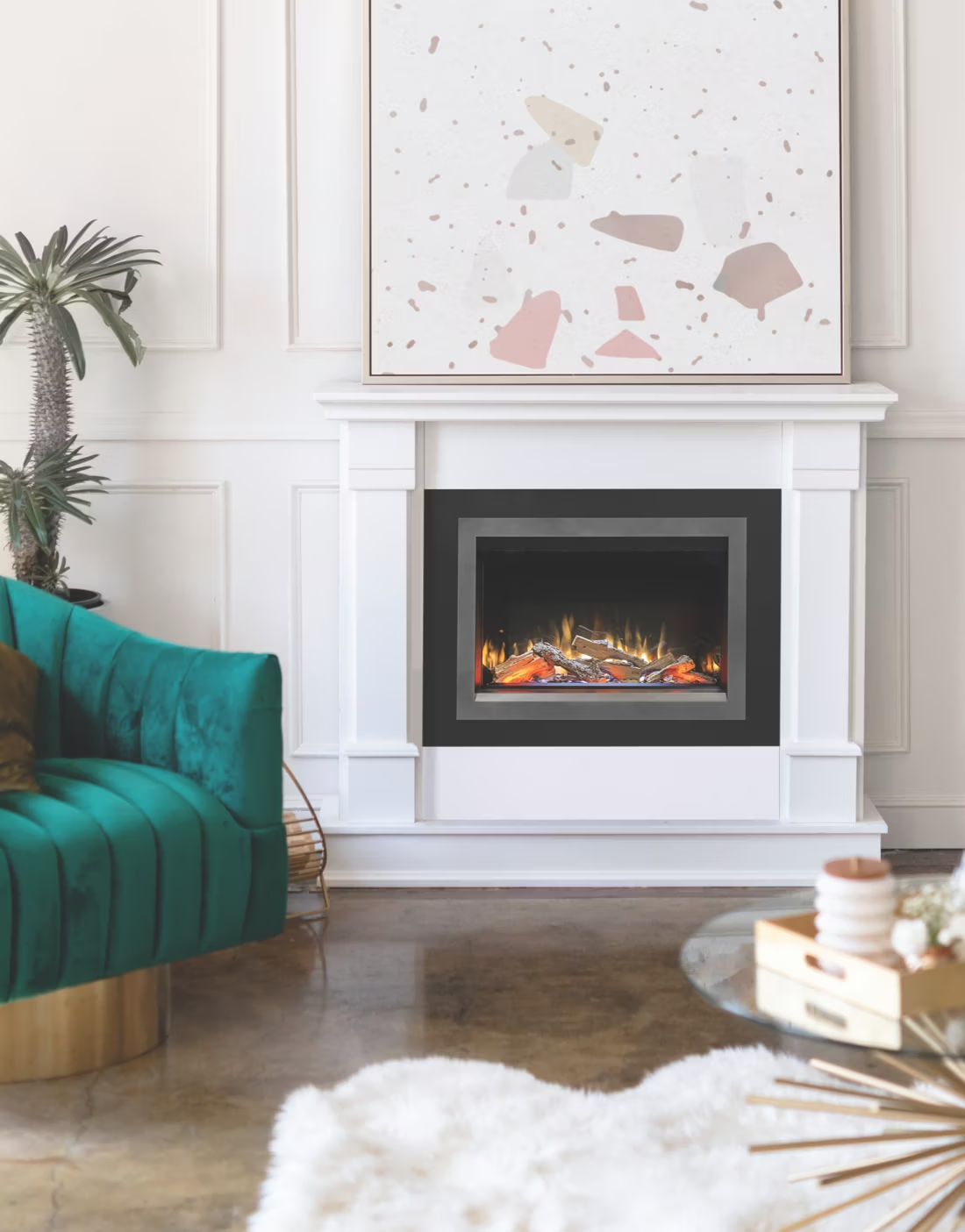
Four fuels. One honest answer for San Bernardino County.
Wood
77 models available near San Bernardino County.
Find your wood stove →Gas
358 models available near San Bernardino County.
Find your gas fireplace →Pellet
See what's available near San Bernardino County.
Find your pellet stove →Electric
11 models available near San Bernardino County.
Find your electric fireplace →Three steps. No salesperson until you're ready.
Tell us about your project
Your zip code, your situation, and the fuel you're leaning toward—or let the answers point you to one.
See what's actually available
The brands dealers within 100 miles genuinely carry—real options, never a catalog mirage.
Get your dealer & Project Guide
A trusted local dealer, plus the free Project Guide & Parts List that names every component of the job.
Frequently Asked Questions
Which fuel makes sense for my part of San Bernardino County?
It depends almost entirely on where in the county you live. In the valley—San Bernardino, Fontana, Rancho Cucamonga, Ontario—winters are mild enough that gas fireplaces and electric units handle most homes comfortably; wood heat is more about ambiance than necessity down here. Up in the mountains—Big Bear Lake, Lake Arrowhead, Crestline, Running Springs—wood stoves and inserts burning local oak and Douglas fir are common as primary or backup heat, especially for cabins that lose power during winter storms. Pellet stoves are a solid middle option for mountain homes that want wood-style heat without cutting and hauling logs, and regional brands like Bear Mountain and Lignetics keep supply steady. Out in the High Desert—Victorville, Apple Valley, Barstow—dry, wide-swing winters favor gas and pellet units that heat up fast and hold steady overnight.
Do I need a permit to install a fireplace in San Bernardino County?
In most cases, yes. New wood stoves, wood inserts, gas fireplaces, gas inserts, and pellet stoves generally require a building permit, and gas installations need a separate gas-line permit pulled by a licensed gas fitter. Within incorporated cities like San Bernardino, Fontana, or Big Bear Lake, permits are issued by the city building department; in unincorporated areas of the county—including many mountain communities—permits go through San Bernardino County Land Use Services. If you're cutting your own firewood on public land, permits for the San Bernardino National Forest or Angeles National Forest are separate from any building permit and are issued by the Forest Service directly. Most established local hearth retailers handle the building and gas permitting as part of the installation quote.
Are there air quality restrictions on wood burning in San Bernardino County?
Yes. San Bernardino County falls within a designated non-attainment area for particulate matter, and the South Coast Air Quality Management District issues wood-burning curtailment advisories on days when pollution is forecast to be high—this affects valley communities most directly, since smoke and haze tend to settle against the mountains. During a curtailment, uncertified fireplaces and older wood stoves are asked or required to stay unlit, while EPA-certified stoves are typically allowed to continue operating. Wildfire smoke is a separate seasonal concern across the whole county, particularly in the mountain communities surrounded by San Bernardino National Forest land—some homeowners in Big Bear and Lake Arrowhead choose pellet or gas as a smoke-conscious alternative to wood, even though wood remains the traditional mountain fuel.
Can one local hearth retailer handle installations in both the valley and the mountains?
Some can, but coverage varies more here than in a smaller county. A handful of larger retailers based in the Inland Empire—around San Bernardino, Rancho Cucamonga, or Redlands—service both valley homes and mountain properties, though expect a longer lead time and a travel fee for jobs up in Big Bear or Lake Arrowhead. Mountain-based retailers near Big Bear Lake and Lake Arrowhead tend to specialize in wood stoves, inserts, and chimney work suited to alpine snow loads and tend to know local codes for those communities better than valley dealers do. Desert-area retailers near Victorville and Apple Valley typically focus on gas and pellet units for High Desert homes. If your project is in the mountains, a mountain-based or mountain-experienced retailer is usually worth the search even if a closer valley dealer exists.
How does service work for cabins and second homes in the mountain communities?
Most service technicians covering Big Bear Lake, Lake Arrowhead, Crestline, and Running Springs are based in or near those communities, since valley technicians often won't make the drive up the mountain regularly. If you own a vacation cabin, schedule chimney sweeping and stove inspection in late summer or early fall—before the first cold snap and before mountain roads see snow, which can delay service appointments into December. Wood-burning cabins that sit vacant for weeks at a time should have their flues and dampers checked at the start of the season rather than assumed fine from last year, since rodents and debris are common issues in seasonal properties. Gas units in mountain cabins on propane should also have their regulators and lines checked annually, since propane tanks and lines are more exposed to snow load and freeze-thaw cycling than valley gas service.
What's the typical cost range for fireplace installation across all fuel types in San Bernardino County?
Costs vary by fuel and, more than in most counties, by whether the job is in the valley or the mountains. Wood stove or insert installation: $4,500–$9,500 for a typical valley or desert install, running higher—often $8,000–$15,000—for mountain cabins needing full chimney construction through snow-load roofing. Gas fireplace, insert, or stove: $4,000–$10,500, with propane conversions in mountain areas typically at the higher end due to tank and line work. Pellet stove or insert: $4,500–$7,500, fairly consistent across the county. Electric fireplace: $200–$3,000 for the unit itself, plus $400–$1,200 in labor for anything beyond a simple plug-in install. See the county + fuel pages above for retailer-specific pricing tied to your part of the county.
What is an in-home preview and do I need one?
It's a visit where a hearth professional measures your space, confirms the model you picked actually works in your home, and walks the specs—framing, gas line, venting, finish work—before anything is ordered. Some details you just can't know until you see the house. Never make a down payment without one; it's the single most-skipped step that burns buyers.
Does a fireplace add value to my home?
On average, a fireplace adds back to the home about the same amount you spent installing it. Add the monthly savings from heating the rooms you actually use instead of the whole house—often hundreds of dollars a year—and the value case is strong before you even count what a fire does for how your family uses the room.
How much should I budget for a fireplace?
For an average home—covering the fireplace, the vent pipe, and basic installation—a budget between $3,900 and $5,500 gives you a lot of options across wood, gas, and pellet. By the time you add finish work, gas line, and electrical, the average complete installation lands between $5,000 and $12,000 all-in. In a remodel or new build, a good rule is to put about 2.5% of the total project cost toward the fireplace.
Wood, gas, pellet, or electric—how do I choose?
Match the fuel to your life, not the other way around. Wood: lowest fuel cost and total power-outage independence, but you're hauling and stacking. Gas: press a button, set a thermostat, no maintenance to speak of. Pellet: wood economics with automatic feeding, in exchange for weekly cleaning and a need for electricity. Electric: plugs in anywhere with honest supplemental heat. Nobody regrets the fuel that fits how they actually live.
Stove and Fireplace Dealers in San Bernardino County
Listings include WhyFire partner dealers, dealers we have verified as authorized for the brands we recommend, and established local businesses that carry hearth products. Every listing shows which one it is. The ones marked Preferred run on WhyFire's software, so they can show you real pricing and book your appointment right here. No manufacturer pays for placement. How we verify dealers →
Ye Olde Brit Chimney Sweep
Butcher's Block
West End Brick N' Fire
Patio Furniture Plus Outdoor Living
Quality Marble & Granite
Resource Building Materials
Get matched with a local San Bernardino County hearth retailer.
Tell us your fuel and city, and we'll put together a free Project Guide & Parts List—the exact parts, including the vent kit, and the local dealer we recommend for your project.
Find Your Fireplace →