
Heat that holds through a Sierra winter, wherever you live in Alpine County.
Wood, gas, pellet, and electric fireplace resources for Markleeville, Bear Valley, Kirkwood, Woodfords, and the rest of Alpine County—with help finding a local hearth dealer who actually covers this remote stretch of the Sierra.
Every Project Starts From One of These Five Situations
The coldest, least populous county in California heats itself the old-fashioned way.
With roughly 878 year-round residents, Alpine County is the smallest county in California by population—and one of the highest. Elevations run from about 5,000 feet in Woodfords up past 8,800 feet at Kirkwood, and the county has no incorporated cities at all; Markleeville, the county seat, is unincorporated, as are Bear Valley and Kirkwood. Highway 4 over Ebbetts Pass and Highway 88 over Carson Pass both close seasonally under heavy snow, which shapes how residents plan for heat: firewood gets cut and stacked well before the passes shut down. Oak, madrone, and Douglas fir are the wood species most commonly burned here, much of it self-cut under permits from the Eldorado National Forest or the Humboldt-Toiyabe National Forest's Carson Ranger District, which both reach into the county.
This hub covers hearth retailers, service technicians, and fuel suppliers reaching every corner of the county—full-time homes in Woodfords and Markleeville, second homes and rental cabins around Bear Valley and Kirkwood, and the scattered parcels along the Highway 4 and 88 corridors. Because Alpine County is so sparsely populated, most dealers serving it are actually based outside the county line, in South Lake Tahoe or the Carson Valley. Pick your fuel below for local dealer coverage, install costs, and recommended units for a Sierra elevation home.
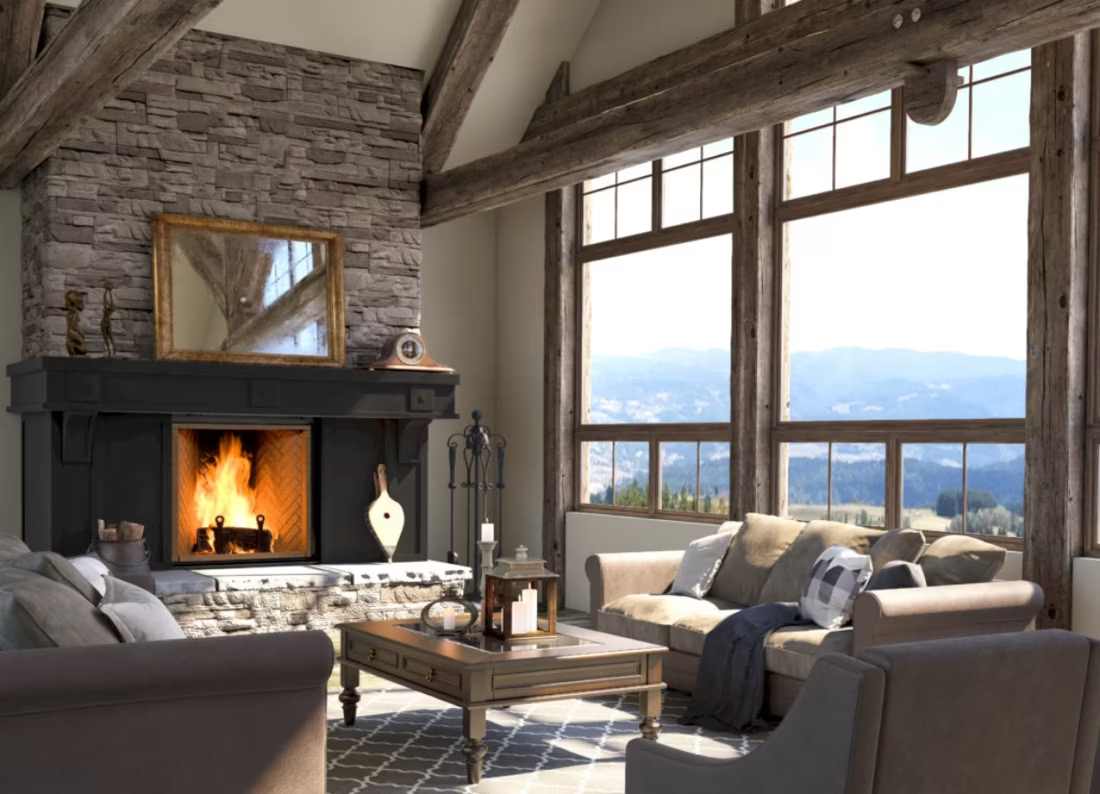
Four fuels. One honest answer for Alpine County.
Three steps. No salesperson until you're ready.
Tell us about your project
Your zip code, your situation, and the fuel you're leaning toward—or let the answers point you to one.
See what's actually available
The brands dealers within 100 miles genuinely carry—real options, never a catalog mirage.
Get your dealer & Project Guide
A trusted local dealer, plus the free Project Guide & Parts List that names every component of the job.
Frequently Asked Questions
Which fuel works best in Alpine County?
It depends on whether the home is occupied year-round or sits empty much of the winter. Wood remains the backbone fuel for full-time residents in Markleeville and Woodfords—oak, madrone, and Douglas fir are locally available, Forest Service cutting permits keep costs down, and a wood stove keeps working when Highway 4 or 88 closes and power lines go down with it. Propane-fired gas units are the practical choice for cabins in Bear Valley and Kirkwood that owners want warm and ready on arrival without lighting a fire first—there's no natural gas pipeline reaching this county, so propane fills that role. Pellet stoves (Bear Mountain, Lignetics, and Pacific Pellet are all sold regionally) offer wood-style heat without splitting and stacking, though pellet bags still have to be trucked in over the same passes. Electric is mostly supplemental—a bedroom or den unit, or a stopgap in a rental cabin between other heat sources—since it isn't reliable as primary heat when this county's winter power outages hit.
Do I need a permit to install a fireplace in Alpine County?
Generally yes. Because Alpine County has no incorporated cities, every wood stove, wood insert, gas fireplace, gas insert, gas stove, or pellet stove installation—whether it's in Markleeville, Woodfords, Bear Valley, or Kirkwood—goes through the Alpine County Building Department rather than a city office. Propane installations also require the gas line work be done or signed off by a licensed gas fitter. Electric fireplaces usually skip the permit process unless they're a built-in unit that requires new wiring or a dedicated circuit. Most retailers who service this county—typically based in South Lake Tahoe or the Carson Valley—are used to filing with Alpine County and will handle the paperwork as part of the installation.
Are there air quality restrictions on wood burning in Alpine County?
The county's main air quality issue isn't winter wood smoke—it's summer and fall wildfire smoke, which can blanket the Sierra corridor for weeks during a bad fire season and affect Alpine County along with the rest of the region under the Great Basin Unified Air Pollution Control District's jurisdiction. There isn't a formal winter burn-curtailment program here the way there is in larger California air basins, since the population is so small and dispersed. That said, wildfire risk shapes wood-heat decisions in other ways: spark arrestors on chimneys, defensible space clearance around outdoor woodpiles, and keeping flue and chimney maintenance current all matter more in a county this heavily forested and this exposed to fire season.
Can one local hearth retailer handle all four fuel types?
Since there's no hearth retailer physically located inside Alpine County, the question is really which outside dealer covers your specific fuel and travels far enough to reach you. Multi-fuel dealers based in South Lake Tahoe generally carry wood, gas, and pellet, with electric as a smaller sideline—useful if you're deciding between fuels for a Bear Valley or Kirkwood cabin and want to see working displays before committing. Dealers out of the Carson Valley (Gardnerville/Minden) tend to lean heavier on propane and pellet for the ranch and rural properties on that side of the county. If wood is your primary interest, ask specifically about their experience venting stoves at 6,000-8,800 feet elevation—draft and clearance requirements change enough at that altitude that it's worth confirming before you commit to a dealer.
How does service work in a county this remote?
Every service technician covering Alpine County is traveling in—usually from South Lake Tahoe, about 30 to 45 minutes from Woodfords depending on the pass, or from the Carson Valley on the Nevada side. Expect a travel fee for the call, and expect scheduling to tighten up hard once Highway 4 over Ebbetts Pass or Highway 88 over Carson Pass gets seasonal snow closures—plan on booking pre-season service in September or early October rather than waiting for a cold snap in January. For second homes in Kirkwood or Bear Valley that sit empty for stretches, it's worth asking your technician about a pre-arrival check rather than discovering a dead pellet igniter or a stuck propane valve after driving in through snow.
What's the typical cost range for fireplace installation across all fuel types in Alpine County?
Costs here run a bit above statewide averages because every dealer and technician is traveling in from outside the county. Wood stove or insert installation: roughly $5,000-$10,000 for a typical install, more if new chimney work is needed at elevation. Propane fireplace, insert, or stove: roughly $5,000-$12,000 depending on the propane line and tank setup, since most properties aren't already plumbed for gas. Pellet stove or insert: roughly $5,000-$8,500, with delivery of Bear Mountain, Lignetics, or Pacific Pellet bags factored into ongoing cost rather than the install itself. Electric fireplace: $200-$3,000 for the unit, plus $400-$1,200 in labor for anything beyond a simple plug-in placement. Ask any dealer quoting a Bear Valley or Kirkwood cabin whether the travel fee is baked into the estimate—it usually is, but it's worth confirming up front.
I know I want a fireplace—where do I actually start?
Do two things today: snap a photo of the wall or fireplace you want to transform, and take a tape measure to the space—width, height, depth. Those two artifacts answer most of a hearth professional's first questions. Then settle fuel (wood, gas, pellet, or electric) and set a realistic budget: $3,900–$5,500 covers fireplace, vent, and basic install for most homes.
What is an in-home preview and do I need one?
It's a visit where a hearth professional measures your space, confirms the model you picked actually works in your home, and walks the specs—framing, gas line, venting, finish work—before anything is ordered. Some details you just can't know until you see the house. Never make a down payment without one; it's the single most-skipped step that burns buyers.
Wood, gas, pellet, or electric—how do I choose?
Match the fuel to your life, not the other way around. Wood: lowest fuel cost and total power-outage independence, but you're hauling and stacking. Gas: press a button, set a thermostat, no maintenance to speak of. Pellet: wood economics with automatic feeding, in exchange for weekly cleaning and a need for electricity. Electric: plugs in anywhere with honest supplemental heat. Nobody regrets the fuel that fits how they actually live.
Can a fireplace actually lower my heating bill?
Yes—by creating a comfort zone. A furnace heats every square foot of the house just to warm the one room you're in; a gas fireplace on low burns roughly a sixth of the gas a typical furnace does. Set the furnace around 55–60 degrees as a baseline, then heat the rooms your family actually uses. Families who heat this way commonly save $20–$60 a month.
Stove and Fireplace Dealers in Alpine County
Listings include WhyFire partner dealers, dealers we have verified as authorized for the brands we recommend, and established local businesses that carry hearth products. Every listing shows which one it is. The ones marked Preferred run on WhyFire's software, so they can show you real pricing and book your appointment right here. No manufacturer pays for placement. How we verify dealers →
Get matched with a hearth dealer who covers Alpine County.
Tell us your fuel and your community—Markleeville, Bear Valley, Kirkwood, or Woodfords—and we'll match you with a trusted local dealer and send you a free Project Guide & Parts List: the exact parts, including the vent kit, sized for Sierra elevation, plus the dealer we recommend for your project.
Find Your Fireplace →