
Every fuel type, every valley in the East Kootenay region.
Wood, gas, pellet, and electric fireplace resources for the whole region—from the Rocky Mountain Trench around Cranbrook and Kimberley up into Fernie and Invermere. Pick a fuel and get matched with a local dealer who actually installs it here.
Every Project Starts From One of These Five Situations
Trench winters, -10.2°C overnight lows, and a region that still burns wood.
The Regional District of East Kootenay sits in the Rocky Mountain Trench, squeezed between the Purcell and Rocky Mountain ranges, with towns like Cranbrook, Kimberley, Fernie, Sparwood, Elkford, Invermere, and Radium Hot Springs strung along the valley floor. Climate zone 6B and average winter lows near -10.2°C put the region in similar heating territory to Prince George, BC—cold, dry mountain air rather than coastal damp, with a burn season that runs from October well into April. Douglas fir, paper birch, lodgepole pine, and western larch are the species most local households split and stack, much of it cut under Crown land permits through FrontCounter BC and the BC Ministry of Forests, which keeps wood heat both affordable and deeply rooted in how people here manage winter.
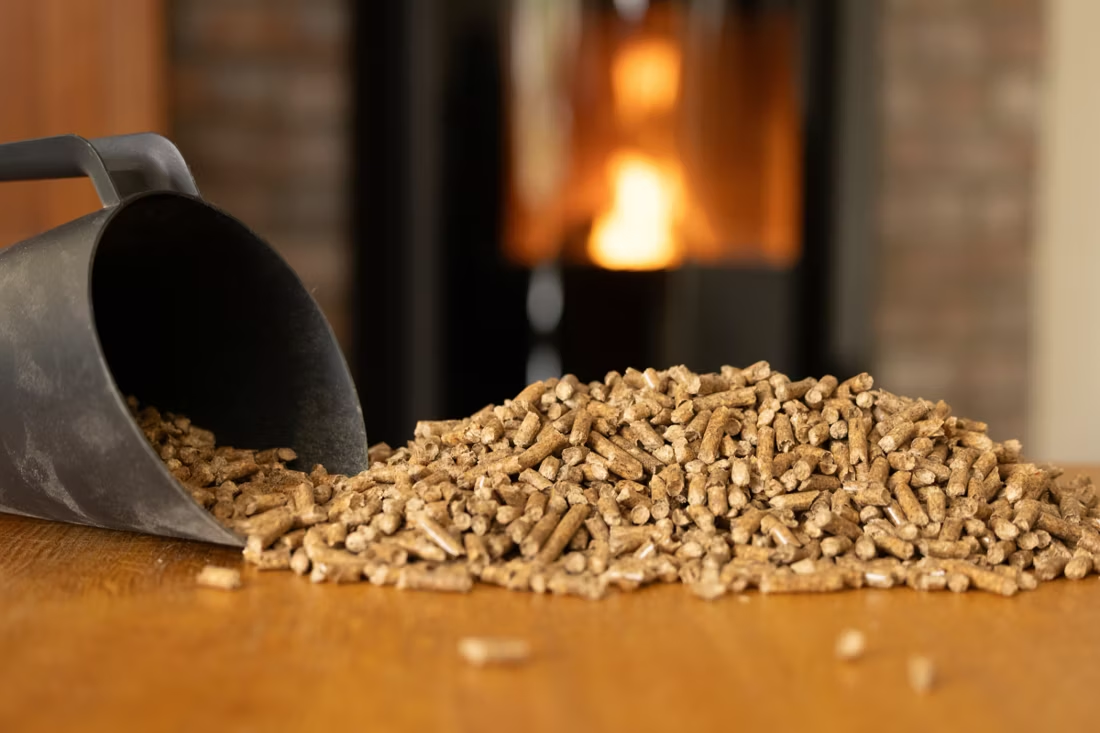
The Trench's geography works against it in one specific way: cold air pools in the valleys overnight and traps wood smoke, which is why several regional districts here run winter smoke advisories and wood-stove exchange programs, and why any new appliance needs to be CSA or EPA-certified. Natural gas service through FortisBC reaches the Cranbrook-Kimberley-Fernie corridor, but homes further out in Elkford, Radium Hot Springs, or the rural benches typically run on propane instead. Pellet stoves have a real local following too, with Pinnacle Premium and Princeton Fuel Pellets both distributed regionally. Any wood appliance installed here should meet CSA B365 code, and most insurers ask for a WETT inspection before they'll cover it. This hub rolls up hearth retailers, service techs, and fuel suppliers across the whole region—pick your fuel below for local dealers, install costs, and recommendations specific to your town.
Four fuels. One honest answer for Regional District of East Kootenay.
Wood
69 models available near Regional District of East Kootenay.
Find your wood stove →Gas
111 models available near Regional District of East Kootenay.
Find your gas fireplace →Pellet
See what's available near Regional District of East Kootenay.
Find your pellet stove →Electric
See what's available near Regional District of East Kootenay.
Find your electric fireplace →Three steps. No salesperson until you're ready.
Tell us about your project
Your postal code, your situation, and the fuel you're leaning toward—or let the answers point you to one.
See what's actually available
The brands dealers within 100 miles genuinely carry—real options, never a catalog mirage.
Get your dealer & Project Guide
A trusted local dealer, plus the free Project Guide & Parts List that names every component of the job.
Frequently Asked Questions
Which fireplace fuel makes the most sense in the East Kootenay region?
It depends heavily on where you sit in the Trench. Wood remains the backbone fuel in rural areas and smaller communities like Elkford and the benches above Invermere—Douglas fir and western larch both burn hot and dense, and firewood cut under a FrontCounter BC Crown land permit keeps costs low. Natural gas through FortisBC is the convenience option in Cranbrook, Kimberley, and Fernie where the line actually reaches; homes further out typically run propane instead. Pellet stoves have a solid following region-wide, partly because they burn cleaner during winter smoke advisories—Pinnacle Premium and Princeton Fuel Pellets are both distributed locally. Electric fireplaces are supplemental almost everywhere here; they're not built to carry a home through a Trench winter, but they work well for bedrooms or secondary rooms in a house already heated by wood or gas.
Do I need a WETT inspection for a wood stove here?
Almost always, yes, if you want the appliance covered by your insurer. Wood stove and insert installs across the East Kootenay region need to meet CSA B365 installation code, and most home insurance providers require a current WETT inspection before they'll insure a wood-burning appliance—this comes up constantly at resale and renewal, not just at install. Permits themselves go through your municipal building department, whether that's Cranbrook, Kimberley, Fernie, or another local jurisdiction. Most hearth retailers we match homeowners with arrange the WETT inspection and handle the permit paperwork as part of the install, so it's rarely something you're chasing down on your own.
What are the smoke advisories and wood-stove exchange programs I keep hearing about?
The same mountain geography that gives the Trench its cold, still winter mornings also traps wood smoke close to the ground during inversions, which is why several regional districts here issue winter smoke advisories and require CSA or EPA-certified appliances for any new install. A number of communities in the region also run wood-stove exchange programs that offer rebates for swapping an old, uncertified stove for a modern low-emission unit—worth asking about before you buy, since it can meaningfully offset the cost of an upgrade. Newer catalytic and non-catalytic stoves burn dramatically cleaner than older pre-certification units, which matters both for air quality on inversion days and for keeping your WETT inspection straightforward.
Is natural gas available everywhere in the East Kootenay region?
No, and it's worth checking before you fall in love with a specific gas unit. FortisBC's natural gas network reaches Cranbrook, Kimberley, and Fernie fairly reliably, but Elkford, Radium Hot Springs, and many of the rural properties along the Trench sit outside the service area and run on bottled or tank propane instead. Propane gas fireplaces and inserts work the same way as natural gas units mechanically, just with a different fuel source and on-site storage tank—your local dealer will know which supply option actually reaches your address and can size the installation accordingly.
What does a fireplace installation typically cost in the East Kootenay region?
Costs vary by fuel and by how much venting or gas-line work the job needs. Wood stove or insert installs typically run $4,500-$9,000 CAD, with full chimney work for new construction pushing higher, and CSA B365 compliance plus a WETT inspection factored into most quotes. Gas fireplaces, inserts, and stoves generally land around $4,500-$11,000 CAD depending on whether you're extending a FortisBC gas line, converting from propane, or working with an existing hearth. Pellet stove or insert installs usually run $4,500-$7,500 CAD. Electric fireplaces are the outlier—often $200-$3,000 CAD for the unit itself, plus modest labor unless you're hardwiring a built-in that needs a new circuit. The region and fuel pages above break these numbers down further with local retailer pricing.
How do permits and Crown land wood-cutting work in this region?
Two separate processes, and it helps to keep them straight. Cutting your own firewood on Crown land requires a permit through FrontCounter BC or the BC Ministry of Forests, which is common practice here given how much of the region is forested with Douglas fir, paper birch, lodgepole pine, and western larch. Installing the appliance itself is a different matter entirely—that permit goes through your municipal building department, whichever community you're in, and the installation has to meet CSA B365 code. Gas installs additionally need a licensed gas fitter for the connection. Most retailers we match homeowners with handle the building permit directly as part of a wood, gas, or pellet install, so the paperwork rarely falls on you.
How many BTUs do I need in a fireplace?
Wrong question—and the industry's favorite way to confuse you. More BTUs isn't better if the fireplace cooks you out of the room you spent thousands to enjoy. Think in terms you can verify: how many square feet the unit heats, whether it's primary or backup heat, and whether you want it running overnight. Those three answers size a fireplace correctly every time.
Will we actually use a fireplace once we have one?
In my own home, the room with the fireplace has never been the same—it became the social hub. Game nights, holidays, date nights after the kids are down: the fire is where the house gathers. There's a reason people in this industry joke that we're really in the romance and entertainment business. You won't wonder whether you'll use it; you'll wonder how the room worked before.
What's the best fireplace for power outages?
Wood wins outright—no electricity, no moving parts, just fuel and a match, and a radiant stove keeps heating with the grid down for weeks. Gas is a close second: battery-backup ignition runs the fireplace fine without power (the blower stops, but radiant heat keeps coming). Pellet is the one to check carefully—most models need electricity for the auger and fans, so ask about battery backup.
What does it take to replace an existing fireplace?
Fireplaces are like icebergs—bigger behind the wall than in front of it. Replacement means removing the surrounding tile or stone (the finish material laps onto the fireplace face), pulling the old unit, setting the new one in the same enclosure, and re-finishing the wall. A hearth professional can determine what's behind your wall without demolition during an in-home preview.
Stove and Fireplace Dealers in Regional District of East Kootenay
Listings include WhyFire partner dealers, dealers we have verified as authorized for the brands we recommend, and established local businesses that carry hearth products. Every listing shows which one it is. The ones marked Preferred run on WhyFire's software, so they can show you real pricing and book your appointment right here. No manufacturer pays for placement. How we verify dealers →
Elite Mechanical Ltd
Get matched with a local East Kootenay dealer.
Pick your fuel below and we'll put together a free Project Guide & Parts List—the right unit, the vent kit it needs, and the local dealer we recommend for your project.
Find Your Fireplace →