
Instant heat at 1,538 metres in the Rockies.
Lake Louise sits higher than almost any other permanent settlement in Canada, with winter lows averaging -11.7°C and cold snaps that go well past that. We'll help you find a trusted local dealer who knows ATCO Gas, Apex Utilities, and what's actually installable in a mountain hamlet like this one.
Every Project Starts From One of These Five Situations
Reliable heat for a mountain hamlet that never really warms up.
At 1,538 metres inside Banff National Park, Lake Louise runs a genuine mountain climate—closer in feel to Whitehorse than to the rest of the Calgary Region it's administratively grouped with. A -11.7°C average winter low undersells it; Chinook-belt freeze-thaw swings mean the thermometer can drop hard between storms, and the heating season here stretches well past what most Albertans deal with. For a hamlet built around a ski hill and a handful of lodges, chalets, and staff housing, dependable heat isn't optional.
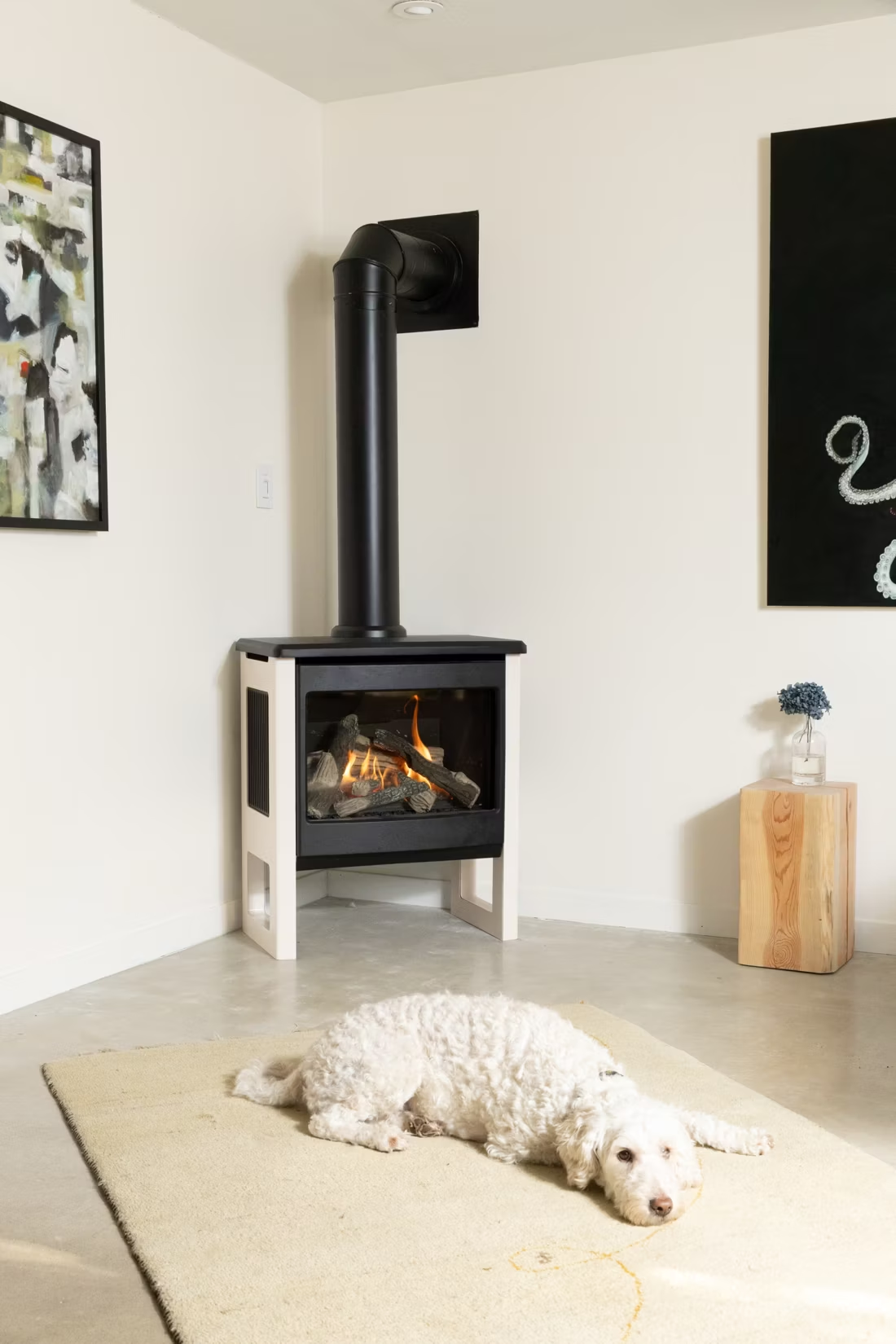
Natural gas service through ATCO Gas covers the village core, with Apex Utilities serving parts of the surrounding area, so most properties can run a direct-vent gas fireplace or insert that fires instantly and keeps working through a storm. Wood is still common—aspen poplar, paper birch, lodgepole pine, and white spruce are the local species, and Alberta Forestry and Parks issues free cutting permits valid for 30 days year-round—but with so much of the housing stock built for short-term rental turnover and tight footprints, a gas unit that needs no woodpile or chimney sweep is often the simpler fit.
Three steps. No salesperson until you're ready.
Tell us about your project
Your postal code, your situation, and the fuel you're leaning toward—or let the answers point you to one.
See what's actually available
The brands dealers within 100 miles genuinely carry—real options, never a catalog mirage.
Get your dealer & Project Guide
A trusted local dealer, plus the free Project Guide & Parts List that names every component of the job.
Frequently Asked Questions
How much does a gas fireplace installation cost in Lake Louise?
Typical installs run $6,000 to $15,000 CAD. A direct-vent insert going into an existing masonry firebox in one of the older chalets near the village lands toward the low end. A new built-in unit for a renovated condo or lodge suite, with fresh gas line runs and venting through a wall or roof, pushes toward the top. Properties on Apex Utilities' side of the service area, or any structure needing coordination with Parks Canada requirements given the national park setting, should budget a bit of extra time into the schedule even if the install cost itself stays in range.
Can I convert an existing wood fireplace to gas in a Lake Louise chalet?
Yes, and it's a common request from owners of older cabins and chalets that were originally built around a wood-burning masonry fireplace fed with lodgepole pine or white spruce. A gas insert typically slides into the existing firebox with a stainless liner run through the current chimney, generally landing between $6,000 and $10,000 depending on whether the property sits on ATCO Gas or needs a propane setup instead. For short-term rental units, this also removes the ongoing woodpile and ash cleanup between guest turnovers.
Is natural gas available everywhere in Lake Louise, or do some homes run on propane?
ATCO Gas serves the village core around the hamlet, and Apex Utilities extends coverage into other parts of the area, so most addresses have a real natural gas tie-in option. A handful of more remote or outlying properties still rely on propane, which works the same way for a gas fireplace install—just with a tank instead of a utility meter. Your local dealer will know which utility footprint your address falls in before quoting the gas line work.
Will a gas fireplace still work if the power goes out during a mountain storm?
Most will, which matters in a hamlet where winter storms along the Trans-Canada corridor can knock out power for hours at a time. Units with intermittent pilot ignition run on AA battery backup that kicks in automatically. Some models, like those from Valor, skip the battery altogether because the pilot's thermocouple generates its own current. Given how isolated Lake Louise can feel during a highway closure, ask your dealer which ignition system is on any model you're considering—it's a real decision point here, not a minor spec.
What's the difference between a gas fireplace, insert, and stove for a mountain home?
A gas fireplace is a built-in unit framed into a wall, which fits new-build condos and lodge suites well. A gas insert fits inside an existing masonry firebox, which is the common route in older Lake Louise chalets that were originally built to burn paper birch or lodgepole pine and still have the chimney chase in place. A gas stove is freestanding on a hearth pad, a good option for tight cabin footprints where a full built-in isn't practical. For most existing chalets here, an insert is the least disruptive upgrade.
Do I need a permit to install a gas fireplace in Lake Louise?
Yes. You'll pull a building permit through the local building department, and the gas line work itself needs to be done under CSA B365 by a licensed gas fitter. Because Lake Louise sits inside Banff National Park, some projects also involve a check-in with Parks Canada requirements depending on the structure. Most hearth dealers who work this corridor are used to coordinating both the municipal permit and the park-related paperwork as part of the job.
Should I choose a vented or vent-free gas fireplace for this elevation?
Direct-vent units pull combustion air from outside and exhaust it back outside through sealed venting, which is the standard and safest choice at 1,538 metres where homes are built tight against a long, cold season. Vent-free units are legal in Alberta but carry strict room-sizing rules, and most local dealers steer Lake Louise homeowners toward direct-vent so indoor air quality isn't a factor in small, well-sealed chalets and condo units that run their fireplace daily through the winter.
How often does a gas fireplace need servicing in Lake Louise?
Plan on an annual check, ideally in September or early October before ski season traffic picks up and before-and-after-hours access to your unit gets harder to schedule around guest turnovers. A technician checks the burner, pilot assembly, gas connections, and venting, and cleans the glass. For rental chalets running the fireplace nightly through a long mountain winter, skipping this is how an ignition failure shows up on the coldest night with guests in the house.
Gas vs. wood vs. pellet—what makes sense for a Lake Louise property?
Wood—aspen poplar, paper birch, lodgepole pine, or white spruce cut under a free 30-day permit from Alberta Forestry and Parks—still works without power and appeals to owners who don't mind stacking and hauling. Pellet stoves using regional brands like La Crete Sawmills or Vanderwell run $400-$575 a ton, but delivery to a hamlet this remote and at this elevation takes more planning than it would closer to Calgary. Gas, through ATCO Gas or Apex Utilities, wins on convenience and is the practical choice for rental chalets and condos where an owner isn't on-site to manage a woodpile—many properties here keep a gas unit for daily use and treat wood as a backup for extended outages.
Can a gas fireplace run on a thermostat?
Most modern gas fireplaces can—turn it on and off from the couch with a remote, or set a room temperature and let the fireplace hold the comfort zone for you. If low maintenance matters to your family, this is the feature set that makes gas the convenience pick over wood and pellet.
Why do fireplace quotes vary so much?
Because a fireplace is an iceberg—there's more behind the wall than in front of it. A low quote often covers only the unit; the full scope includes vent pipe, gas line or electrical, framing, and the tile or stone that has to come off and go back on. Make every bidder price the whole job. If a dealer can't speak to the full scope with confidence, that's your signal to keep looking.
What's the difference between an insert and a zero-clearance fireplace?
An insert is a fireplace that slides into a pre-existing wood-burning fireplace—if you don't have one, there's nothing to insert it into. A zero-clearance fireplace is built into a framed wall, which makes it the answer for remodels and new construction. Simple test: existing masonry fireplace means insert; blank or framed wall means zero-clearance.
Can I put a TV above my fireplace?
Yes—with an asterisk. Fireplaces are hot and TVs don't like heat. Either put a mantel between them to deflect rising warmth, or choose a fireplace with heat-management technology that creates a cool zone on the wall above—the wall stays around 125 degrees, barely warm, while the room still gets full heat. If you like clean lines and don't want a mantel, heat management is the answer.
Nearby Dealers
Hearth shops serving Lake Louise and the surrounding area. Every listing shows whether it is a WhyFire partner, a dealer we have verified as authorized for the brands we recommend, or a local business carrying hearth products. No manufacturer pays for placement. How we verify dealers →
Diamond Fireplace Distributors
Ryan My Fireplace Guy
Natural Gas Service in Lake Louise
Confirm service at your address before planning a gas fireplace—a quick call settles it.
Atco Gas
Apex Utilities
Get your free Project Guide & Parts List for a Lake Louise gas fireplace.
Tell us about your property and whether you're on ATCO Gas, Apex Utilities, or propane, and we'll help you find a trusted local dealer and send a free Project Guide & Parts List with the exact vent kit and parts your project needs.
Find Your Fireplace →