
Heating Solutions for Prince of Wales Island's Off-Grid Reality.
Wood, gas, pellet, and electric fireplace resources for every community across the Prince of Wales-Hyder Census Area—from Craig and Klawock to Thorne Bay, Coffman Cove, Hydaburg, and the ferry-only reaches of Hyder. Find the right unit and connect with a local hearth retailer who actually ships and installs out here.
Every Project Starts From One of These Five Situations
Long, damp winters shape hearth choices across a remote Southeast Alaska island.
Prince of Wales-Hyder covers over 7,300 square miles of island and mainland terrain in Southeast Alaska, with a population of just over 5,300 spread across a dozen small communities linked mostly by water and gravel logging roads. The maritime climate keeps average winter lows near 31°F—mild compared to interior Alaska—but the heating season is long and relentless, with a winter heating load in the range of a place like Duluth, Minnesota. Birch, spruce, and cottonwood are the wood species islanders cut for heat, most of it harvested under personal-use permits from the Tongass National Forest, which covers most of the island.
What you'll find on this hub: hearth retailers, service technicians, and fuel suppliers serving the whole census area—Craig and Klawock on the road system, Thorne Bay and Coffman Cove along Prince of Wales's logging-road network, Hydaburg and Kasaan, the float-plane-only villages of Point Baker and Port Protection, and Hyder, the mainland outpost near the Canadian border that isn't connected to the island by road at all. Pick your fuel below to see local dealers, freight-adjusted installation costs, and the resources that fit how heat actually gets delivered out here.
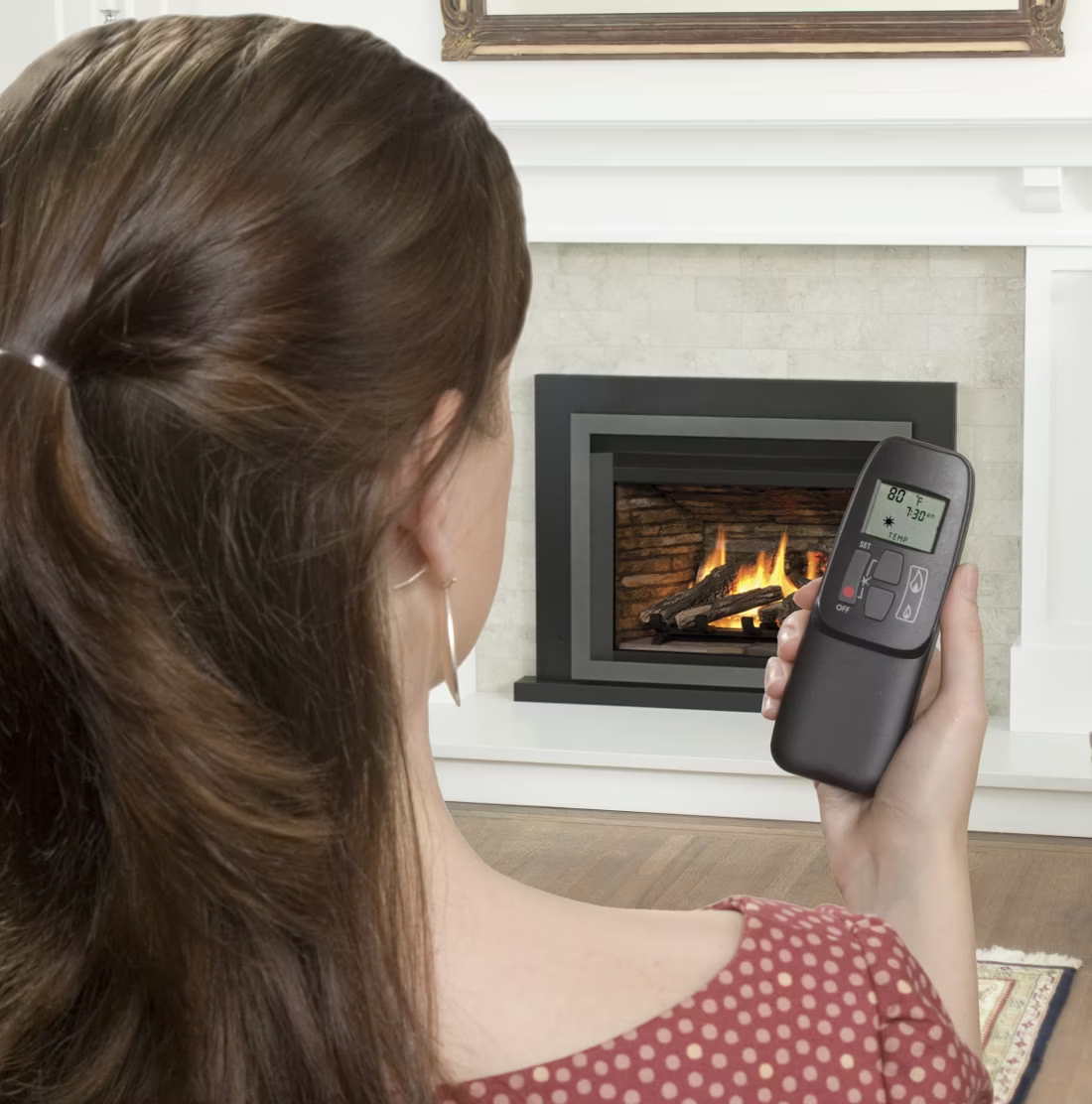
Four fuels. One honest answer for Prince of Wales-Hyder County.
Wood
12 models available near Prince of Wales-Hyder County.
Find your wood stove →Gas
See what's available near Prince of Wales-Hyder County.
Find your gas fireplace →Pellet
See what's available near Prince of Wales-Hyder County.
Find your pellet stove →Electric
See what's available near Prince of Wales-Hyder County.
Find your electric fireplace →Three steps. No salesperson until you're ready.
Tell us about your project
Your zip code, your situation, and the fuel you're leaning toward—or let the answers point you to one.
See what's actually available
The brands dealers within 100 miles genuinely carry—real options, never a catalog mirage.
Get your dealer & Project Guide
A trusted local dealer, plus the free Project Guide & Parts List that names every component of the job.
Frequently Asked Questions
Which fuel works best on Prince of Wales Island?
It depends on where you live and how connected you are to the grid. Wood is the backbone fuel across most of the census area—birch, spruce, and cottonwood are abundant, personal-use cutting permits through the Tongass National Forest keep fuel costs near zero, and a wood stove keeps working when the island's power lines go down, which happens during winter storms. Propane fills the role natural gas plays elsewhere, since there's no pipeline service to the island—it's the convenience choice in Craig, Klawock, and Thorne Bay for instant heat without splitting wood. Pellet stoves are a solid middle ground where barge-delivered fuel from Superior Pellet Fuels or Lignetics is reliably stocked, mostly in the larger road-system communities. Electric works fine as supplemental heat in homes served by the island's utility co-op, but with power interruptions common in winter storms, most households treat it as a backup rather than the primary source.
Do I need a permit to install a wood stove or fireplace here?
It varies by community. Craig, Klawock, and Thorne Bay each have their own local permitting requirements for stove and fireplace installations, while many of the unincorporated communities in the census area—Whale Pass, Naukati Bay, Point Baker—have no local building department at all. Even where no permit is required, insurance carriers typically still expect the installation to meet EPA-certified appliance standards and NFPA clearance codes, so it's worth asking your dealer for documentation regardless of whether a formal permit is pulled. Separately, if you're cutting your own firewood rather than buying it, you'll need a personal-use permit from the Tongass National Forest district office covering your part of the island.
How does firewood permitting work through the Tongass National Forest?
The Tongass National Forest covers most of Prince of Wales Island, and personal-use firewood cutting requires a permit from the local ranger district. Permits typically cap the volume you can harvest per household per year and specify where cutting is allowed—often along existing logging roads rather than in old-growth stands. Birch and cottonwood are common along road corridors and river bottoms; spruce tends to come from beetle-kill or blowdown salvage areas the district flags for cutting. Given how much of island heating still runs on self-cut wood, it's worth pulling your permit early in the season before good roadside wood gets picked over.
How does remoteness affect getting a fireplace installed or serviced here?
Everything runs on ferry and barge schedules. Units and parts typically travel by barge to Craig or Klawock, then out by truck to Thorne Bay or Coffman Cove, or by floatplane and skiff to communities like Point Baker and Port Protection. That means lead times run longer than in the Lower 48—plan for several weeks between ordering and installation, especially for anything needing a special-order part. Service technicians serving the outlying communities often bundle multiple stops into a single trip, so scheduling ahead of the heating season is worth it. Hyder is its own case entirely—it sits on the mainland near the Canadian border with no road connection to the rest of the census area, so anything installed there typically comes through Stewart, BC, rather than through Craig or Ketchikan.
What's the typical cost range for installation across fuel types, including freight?
Costs here run higher than mainland Alaska or the Lower 48 mostly due to barge freight. Wood stove or insert installation typically runs $5,500–$10,500, depending on chimney work and whether the stove comes in on a barge run already scheduled or needs a special trip. Propane fireplace, insert, or stove installation runs $5,000–$12,000, since there's no natural gas line to tap into and most jobs involve a new propane tank setup. Pellet stove or insert installation runs about $5,000–$8,500. Electric fireplace units run $250–$3,200 for the unit itself, plus $400–$1,200 in labor for anything beyond a plug-and-play install. Ask your dealer to itemize freight separately—it's often the single biggest cost variable on the island.
Can one dealer on the island handle all four fuel types?
Given the population, most hearth businesses on Prince of Wales Island are generalists by necessity—a single shop in Craig or Klawock may carry wood stoves, propane units, and pellet stoves side by side, rather than specializing in just one fuel the way a dealer in a larger market might. Electric fireplaces are often sold through hardware or appliance stores rather than dedicated hearth retailers. If you need a specific brand or a less common configuration, some islanders end up ordering through a Ketchikan dealer and having it barged over—worth asking your local retailer whether they can source it directly before you go that route.
Can a fireplace actually lower my heating bill?
Yes—by creating a comfort zone. A furnace heats every square foot of the house just to warm the one room you're in; a gas fireplace on low burns roughly a sixth of the gas a typical furnace does. Set the furnace around 55–60 degrees as a baseline, then heat the rooms your family actually uses. Families who heat this way commonly save $20–$60 a month.
Does a fireplace add value to my home?
On average, a fireplace adds back to the home about the same amount you spent installing it. Add the monthly savings from heating the rooms you actually use instead of the whole house—often hundreds of dollars a year—and the value case is strong before you even count what a fire does for how your family uses the room.
Can I install a fireplace myself?
If you're putting a fire in your house on purpose, it's best to work with an expert. Unless you're genuinely experienced in framing, gas line, vent pipe, and the national code on clearances to combustibles, have a professional do it—and ideally the same company that sells you the fireplace, so warranty, service, and liability all live under one roof.
Wood, gas, pellet, or electric—how do I choose?
Match the fuel to your life, not the other way around. Wood: lowest fuel cost and total power-outage independence, but you're hauling and stacking. Gas: press a button, set a thermostat, no maintenance to speak of. Pellet: wood economics with automatic feeding, in exchange for weekly cleaning and a need for electricity. Electric: plugs in anywhere with honest supplemental heat. Nobody regrets the fuel that fits how they actually live.
Stove and Fireplace Dealers in Prince of Wales-Hyder County
Listings include WhyFire partner dealers, dealers we have verified as authorized for the brands we recommend, and established local businesses that carry hearth products. Every listing shows which one it is. The ones marked Preferred run on WhyFire's software, so they can show you real pricing and book your appointment right here. No manufacturer pays for placement. How we verify dealers →
Bernie's Sales
Tyee Building Supplies Ltd
Find a local dealer serving Prince of Wales Island.
Tell us about your home and heating goals, and we'll match you with a trusted local dealer and send a free Project Guide & Parts List—the exact parts, vent kit included, and the dealer best positioned to get it installed on your part of the island.
Find Your Fireplace →