
Every fuel type, every remote community in the Chugach Census Area.
Wood, gas, pellet, and electric fireplace resources for Cordova, Whittier, Tatitlek, Chenega Bay, and the smaller settlements between them. Pick a fuel and get matched with a dealer who actually installs and services equipment out here—ferry schedule and all.
Every Project Starts From One of These Five Situations
9,219 heating degree days, rainforest winters, and a wood-heating tradition built into life off the road system.
The Chugach Census Area stretches along Prince William Sound and the Gulf of Alaska coast, and almost none of it connects to the state highway system—Cordova is reachable only by ferry or plane, Whittier sits behind a one-lane tunnel, and Tatitlek and Chenega Bay are boat- or air-access villages. With 9,219 heating degree days and average winter lows near 19°F, the heating load here tracks closely with Fargo, North Dakota, even though the coastal climate is far wetter and milder than interior Alaska. Birch, spruce, and cottonwood are the wood species households actually burn, much of it cut under a Chugach National Forest personal-use permit, and because the region gets some of the heaviest precipitation on the continent, that wood typically needs a full season or two stacked under cover before it burns clean.
Fuel logistics here look different than almost anywhere else in the country. There's no piped natural gas, so gas fireplaces run on bottled propane that arrives by barge or the Alaska Marine Highway ferry, and pellet stoves depend on brands like Superior Pellet Fuels and Lignetics shipped in the same way, which makes lead time as important as price when you're planning a project. Electricity in the smaller villages comes off small diesel-fueled microgrids, so electric fireplaces are a real option for supplemental heat and ambiance but rarely the backbone of a home's heating plan. There are no air-quality non-attainment designations or curtailment days in this region, which gives wood stoves more day-to-day flexibility than they'd have in a smoke-prone basin. This hub rolls up hearth retailers, service techs, and fuel suppliers across the whole census area—pick your fuel below for local dealers, freight-adjusted costs, and unit recommendations specific to your community.
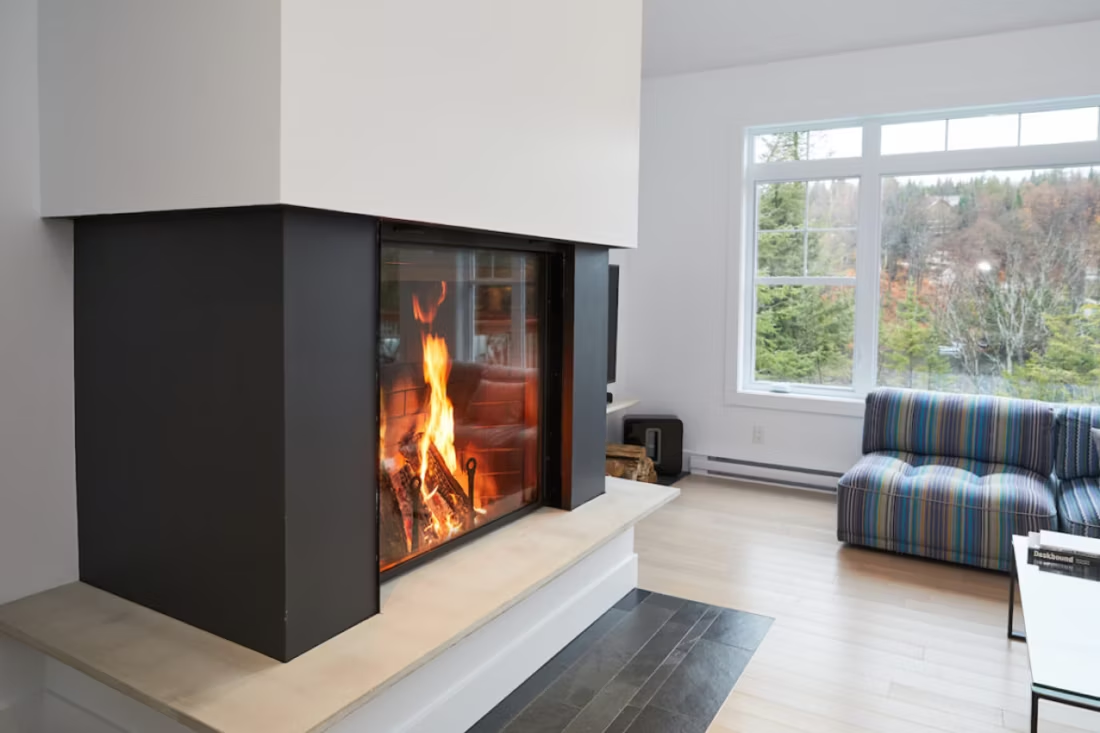
Four fuels. One honest answer for Chugach County.
Three steps. No salesperson until you're ready.
Tell us about your project
Your zip code, your situation, and the fuel you're leaning toward—or let the answers point you to one.
See what's actually available
The brands dealers within 100 miles genuinely carry—real options, never a catalog mirage.
Get your dealer & Project Guide
A trusted local dealer, plus the free Project Guide & Parts List that names every component of the job.
Frequently Asked Questions
Which fireplace fuel actually makes sense in the Chugach Census Area?
All four fuels show up here, but the right choice depends heavily on which community you're in and how supplies reach you. Wood is the practical backbone for most year-round residents—a Chugach National Forest personal-use permit gets you birch, spruce, or cottonwood, and a good catalytic stove will carry a home through a 19°F average winter low without depending on the next barge delivery. Propane-fired gas units are common as a low-maintenance backup since there's no piped natural gas anywhere in the census area; the tank just needs to be filled by a fuel hauler on a schedule that accounts for winter ferry disruptions. Pellet stoves work well too, with Superior Pellet Fuels and Lignetics both distributed regionally, though you'll want a season's worth of pellets on hand before ice or weather closes the shipping window. Electric fireplaces are the most situational—in villages like Tatitlek and Chenega Bay running on small diesel microgrids, electric heat is realistic for supplemental warmth and ambiance but isn't sized to be a home's primary heat source through a 9,219-HDD winter.
Do I need a permit to install a wood stove or fireplace here?
It depends on where in the census area you're building. Cordova and Whittier are incorporated cities with their own building departments and will require a permit and inspection for a new wood stove, insert, or gas line, generally following state fire code for solid-fuel appliances. Tatitlek, Chenega Bay, and the unorganized parts of the census area don't have local building code enforcement, but that doesn't mean skipping the fundamentals—proper clearances, listed venting, and a class-A chimney are still what keeps a coastal, moisture-heavy structure safe. Most hearth retailers who serve this region are used to navigating both situations and will tell you upfront whether your address falls under Cordova or Whittier's permitting process or not.
How does equipment and fuel actually get out here?
Almost everything arrives by barge, the Alaska Marine Highway ferry, or small aircraft—there's no road connection to Cordova, and even Whittier's tunnel is single-lane and access-controlled. A wood stove or gas insert typically ships to Anchorage or Valdez first, then gets loaded onto a barge or ferry run to Cordova or the villages, which can add several weeks to a project timeline compared to a road-system community. Winter storms and reduced ferry schedules make this worse from November through March, so the homeowners who avoid mid-winter scrambles are the ones who order their unit, vent kit, and a season of fuel in late summer or early fall, before shipping slows down.
Is a gas fireplace realistic without piped natural gas service?
Yes—propane is the standard gas fuel throughout the Chugach Census Area, since there's no natural gas utility anywhere in the region. A local fuel hauler fills a bulk tank on a delivery schedule, and a gas fireplace, insert, or stove runs off that supply just like it would on piped gas elsewhere. The main planning difference is making sure your propane delivery schedule accounts for the same barge and ferry disruptions that affect everything else here—running low on propane in January when the ferry's not running is a worse problem than running low in July.
What does a fireplace installation cost, given how remote this region is?
Expect the same equipment and labor ranges you'd see elsewhere in Alaska, plus a real freight premium on top. Wood stove or insert installs generally run $5,000–$10,000 once barge shipping and chimney work are factored in, and full new-construction chimney installs can push higher. Propane fireplaces, inserts, and stoves typically land between $5,000–$12,000 depending on tank setup and gas-line distance. Pellet stove installs run roughly $5,000–$8,500, largely because both the unit and a season's pellet supply have to be shipped in. Electric fireplaces stay the outlier at $200–$3,000 for the unit itself, plus installer travel time if you're outside Cordova or Whittier. Ask any dealer you're matched with to itemize freight separately from labor so you can see exactly what the remoteness is costing you.
Does the local electricity supply affect whether an electric fireplace makes sense?
It can, especially in the smaller villages. Cordova and Whittier run on hydro-supplemented utility power that's reasonably comparable to elsewhere in coastal Alaska, but Tatitlek and Chenega Bay depend on small diesel-generated microgrids where per-kWh costs run noticeably higher and capacity is limited. In those communities, an electric fireplace is a good fit for supplemental heat in a bedroom or a plug-and-play unit for ambiance, but it's not the appliance to lean on for whole-home heating through a winter with 9,219 heating degree days—that job still falls to wood or propane in most households here.
Wood, gas, pellet, or electric—how do I choose?
Match the fuel to your life, not the other way around. Wood: lowest fuel cost and total power-outage independence, but you're hauling and stacking. Gas: press a button, set a thermostat, no maintenance to speak of. Pellet: wood economics with automatic feeding, in exchange for weekly cleaning and a need for electricity. Electric: plugs in anywhere with honest supplemental heat. Nobody regrets the fuel that fits how they actually live.
Can a fireplace actually lower my heating bill?
Yes—by creating a comfort zone. A furnace heats every square foot of the house just to warm the one room you're in; a gas fireplace on low burns roughly a sixth of the gas a typical furnace does. Set the furnace around 55–60 degrees as a baseline, then heat the rooms your family actually uses. Families who heat this way commonly save $20–$60 a month.
How much should I budget for a fireplace?
For an average home—covering the fireplace, the vent pipe, and basic installation—a budget between $3,900 and $5,500 gives you a lot of options across wood, gas, and pellet. By the time you add finish work, gas line, and electrical, the average complete installation lands between $5,000 and $12,000 all-in. In a remodel or new build, a good rule is to put about 2.5% of the total project cost toward the fireplace.
Can I install a fireplace myself?
If you're putting a fire in your house on purpose, it's best to work with an expert. Unless you're genuinely experienced in framing, gas line, vent pipe, and the national code on clearances to combustibles, have a professional do it—and ideally the same company that sells you the fireplace, so warranty, service, and liability all live under one roof.
Stove and Fireplace Dealers in Chugach County
Listings include WhyFire partner dealers, dealers we have verified as authorized for the brands we recommend, and established local businesses that carry hearth products. Every listing shows which one it is. The ones marked Preferred run on WhyFire's software, so they can show you real pricing and book your appointment right here. No manufacturer pays for placement. How we verify dealers →
Alpine Garden & Hearth
Get matched with a dealer who can actually reach your community.
Pick your fuel below and we'll put together a free Project Guide & Parts List—the right unit for coastal Alaska winters, the vent kit it needs, and a local dealer we recommend who knows how to get equipment to Cordova, Whittier, or the villages on time.
Find Your Fireplace →