
Warmth and ambiance, no chimney required in Cullman County.
With winter lows averaging 32°F and only a short, mild heating season overall, Cullman County doesn't need a furnace-grade fireplace—it needs clean, flexible supplemental heat. Find the right electric unit and get matched with a vetted local dealer.
Every Project Starts From One of These Five Situations
Mild winters, modern convenience.
Cullman County sits in the foothills of north-central Alabama, in a mixed-humid 3A climate zone where winter lows average around 32°F and the county has a mild, short heating season overall. Compare that to a place like Duluth, MN, which has a winter heating load several times longer, and it's clear that homes here don't need to carry a serious heating load through the winter. Most Cullman County houses lean on central HVAC for the handful of genuinely cold stretches each year, which means a fireplace's real job is ambiance, zone comfort in a den or bonus room, and the occasional assist on a 20-degree morning—exactly what electric units are built for.
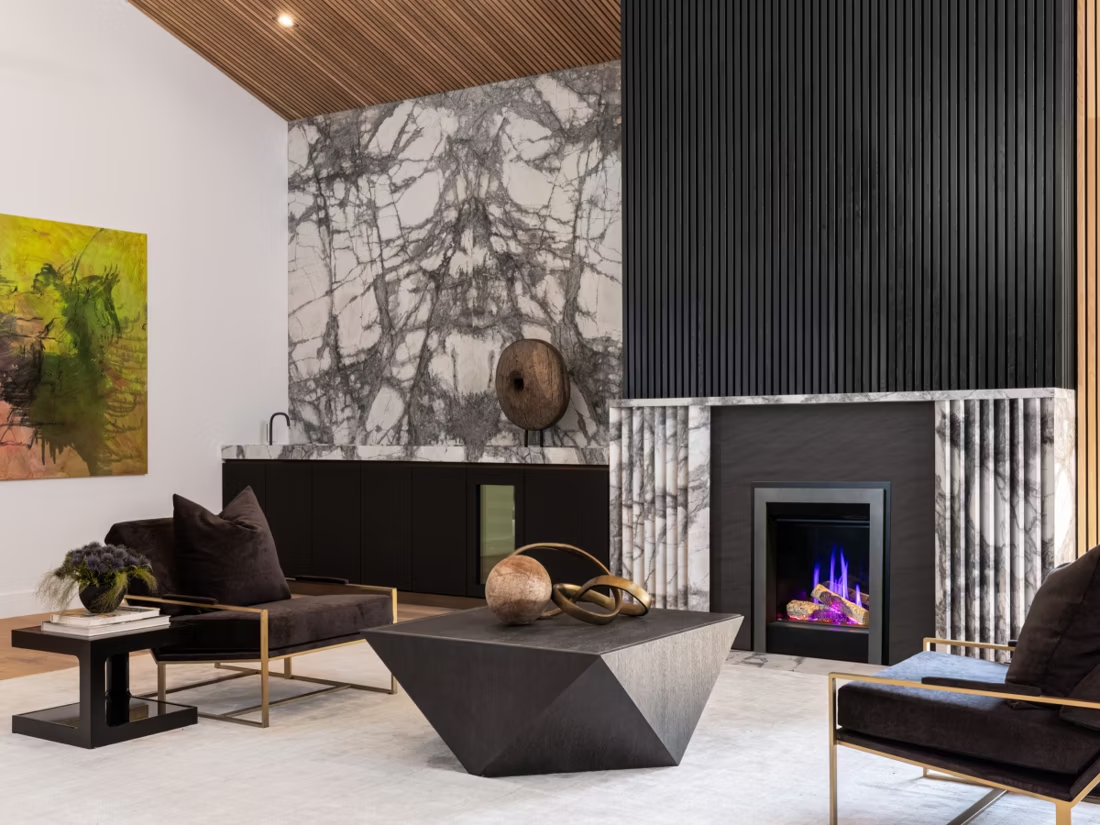
Electric fireplaces skip the chimney, the gas line, and the venting altogether, which makes them a practical fit for finished basements, apartments above garages, and the manufactured and modular homes common throughout rural parts of the county. There's no smoke, no creosote, and none of the maintenance that comes with the oak, hickory, and pine firewood many Cullman County households still burn for backup heat or atmosphere. For a homeowner who wants real flame-look ambiance without adding a wood-burning appliance or running a new gas line, electric is often the simplest path—and a local dealer can size the right unit for the room in a single visit.
Three steps. No salesperson until you're ready.
Tell us about your project
Your zip code, your situation, and the fuel you're leaning toward—or let the answers point you to one.
See what's actually available
The brands dealers within 100 miles genuinely carry—real options, never a catalog mirage.
Get your dealer & Project Guide
A trusted local dealer, plus the free Project Guide & Parts List that names every component of the job.
Frequently Asked Questions
How much does an electric fireplace installation cost in Cullman County?
A plug-in electric insert or freestanding stove typically runs $300 to $1,500 installed, since most units simply plug into a standard household outlet and require no electrical work. A built-in wall unit or mantel package with framing, trim work, and a dedicated 20-amp circuit run by a licensed electrician generally lands between $1,500 and $4,000. Costs move toward the higher end when the project involves opening drywall, running new wiring from the panel, or custom cabinetry around the unit. A local dealer can give you a firm number after seeing the room and the wall in question.
What size electric fireplace do I need for my Cullman County home?
Because Cullman County's winters are mild—averaging 32°F lows with only a short, light heating season overall—most electric units here are sized for the room they're in, not for whole-home heating. A 1,000 to 1,500-watt insert comfortably takes the edge off a bedroom or den, while a larger 1,500-watt unit with a bigger heating fan can handle an open living room or a finished basement. If you're hoping the unit will meaningfully offset your HVAC bill during the county's occasional hard freezes, size up and look for a model with a variable-speed blower rather than relying on the flame-effect visuals alone.
Do I need a licensed electrician to install an electric fireplace?
A plug-in insert that uses an existing outlet doesn't require an electrician—anyone can set that up. A built-in wall unit is a different story: most draw enough current to need a dedicated circuit, which means running new wire back to the panel. That work should go through a licensed electrician, and depending on the scope, the City of Cullman or the Cullman County Building Department may require an electrical permit before the work starts. A local hearth dealer that handles built-in electric installs will typically coordinate the electrician and the permit as part of the job.
What's the difference between an electric insert, an electric stove, and a built-in electric fireplace?
An electric insert is designed to slide into an existing masonry fireplace opening, giving an old wood-burning fireplace a clean, maintenance-free replacement without touching the chimney structure. An electric stove is a freestanding cabinet-style unit that sits on the floor like a traditional wood stove but plugs into an outlet—a common choice for homes without an existing fireplace. A built-in electric fireplace is framed into a wall (new construction, a remodel, or a media wall) and finished flush with drywall or tile, giving the most custom, high-end look. For most Cullman County homes with an existing fireplace opening, an insert is the fastest and least disruptive upgrade.
Do I need a permit to install an electric fireplace in Cullman County?
A standard plug-in electric fireplace or insert generally doesn't require a permit anywhere in Cullman County, since it doesn't involve gas lines, venting, or new electrical circuits. A built-in unit that requires a dedicated circuit or any wall framing changes may need an electrical permit through your local building department, and that requirement can vary between the City of Cullman and the surrounding unincorporated county. A local dealer installing a built-in unit will typically know exactly what's required for your address and handle the paperwork as part of the job.
What's the best electric fireplace for Cullman County's climate?
Since Cullman County's winters are mild compared to true cold-climate regions, the priority here usually isn't raw BTU output—it's flame realism and a heater that can genuinely take the chill off a room during the county's shorter cold spells. Models with LED flame technology and a separate heater switch (so you can run the flame effect year-round without the heat) tend to be the most-used feature set locally. If you want the unit to earn its keep on the coldest mornings, look for one rated for at least 400 square feet with a thermostat, rather than a purely decorative model. A local dealer can match the unit to your room's layout and how you actually plan to use it.
How much maintenance does an electric fireplace need?
Very little, which is part of the appeal. There's no chimney to sweep, no creosote to manage, and no ash to clean up—a stark contrast to the oak, hickory, and pine cordwood many Cullman County homeowners still burn in wood stoves and fireplaces. Basic upkeep is limited to occasionally dusting the vents and the interior, wiping down the glass front, and replacing the LED light strip after years of heavy use (most are rated for 10,000+ hours). There's no annual inspection requirement like there is for wood or gas appliances.
Electric vs. wood—which is right for my Cullman County home?
Wood heat has deep roots in this part of Alabama, where oak, hickory, and pine are all locally available and plenty of households still keep a stove going for supplemental warmth or backup heat during ice storms. Wood also works without power, which matters when winter weather knocks out electricity. Electric fireplaces, on the other hand, need no fuel storage, no chimney, and no cleanup, and they're a better fit for apartments, rentals, and finished spaces where a wood-burning appliance isn't practical or allowed. Given the county's mild winters, most homeowners choosing electric are prioritizing convenience and ambiance over primary heat—while those who want backup heat during outages tend to still lean wood.
Electric vs. propane—which is right for my Cullman County home?
Much of unincorporated Cullman County relies on propane rather than natural gas, which means a gas fireplace often comes with the added cost and commitment of a propane tank and fuel deliveries. Electric fireplaces skip that entirely—no tank, no gas line, no fuel to manage—which makes them a simpler, lower-commitment option, especially for a secondary room or a home that doesn't already have propane service. Propane still wins on raw heat output for homeowners who want a fireplace to meaningfully supplement their heating bill during cold snaps. For ambiance-first projects or homes without existing gas infrastructure, electric is usually the more straightforward install.
Can I put a TV above my fireplace?
Yes—with an asterisk. Fireplaces are hot and TVs don't like heat. Either put a mantel between them to deflect rising warmth, or choose a fireplace with heat-management technology that creates a cool zone on the wall above—the wall stays around 125 degrees, barely warm, while the room still gets full heat. If you like clean lines and don't want a mantel, heat management is the answer.
What fireplace styles should I know before shopping?
Four cover most of the market: screen-front traditional (mesh front, open feel, fits craftsman homes), traditional door set (the classic look you grew up with), modern linear (wide, low, the statement piece for entertaining), and clean face contemporary (no trim—your tile or stone runs right to the fire's edge). Walk in knowing those four terms and you're ahead of most buyers.
Does a fireplace add value to my home?
On average, a fireplace adds back to the home about the same amount you spent installing it. Add the monthly savings from heating the rooms you actually use instead of the whole house—often hundreds of dollars a year—and the value case is strong before you even count what a fire does for how your family uses the room.
Can I install a fireplace myself?
If you're putting a fire in your house on purpose, it's best to work with an expert. Unless you're genuinely experienced in framing, gas line, vent pipe, and the national code on clearances to combustibles, have a professional do it—and ideally the same company that sells you the fireplace, so warranty, service, and liability all live under one roof.
Stove and Fireplace Dealers in Cullman County
Listings include WhyFire partner dealers, dealers we have verified as authorized for the brands we recommend, and established local businesses that carry hearth products. Every listing shows which one it is. The ones marked Preferred run on WhyFire's software, so they can show you real pricing and book your appointment right here. No manufacturer pays for placement. How we verify dealers →
Hawkins Heating & Air Conditioning
Allgas, Inc. - Arab
Find your electric fireplace in Cullman County.
Tell us a bit about your home and we'll put together a free Project Guide & Parts List—the right electric unit for your room, the exact parts needed, and a trusted local dealer to install it.
Find Your Fireplace →